
Filters
100 products
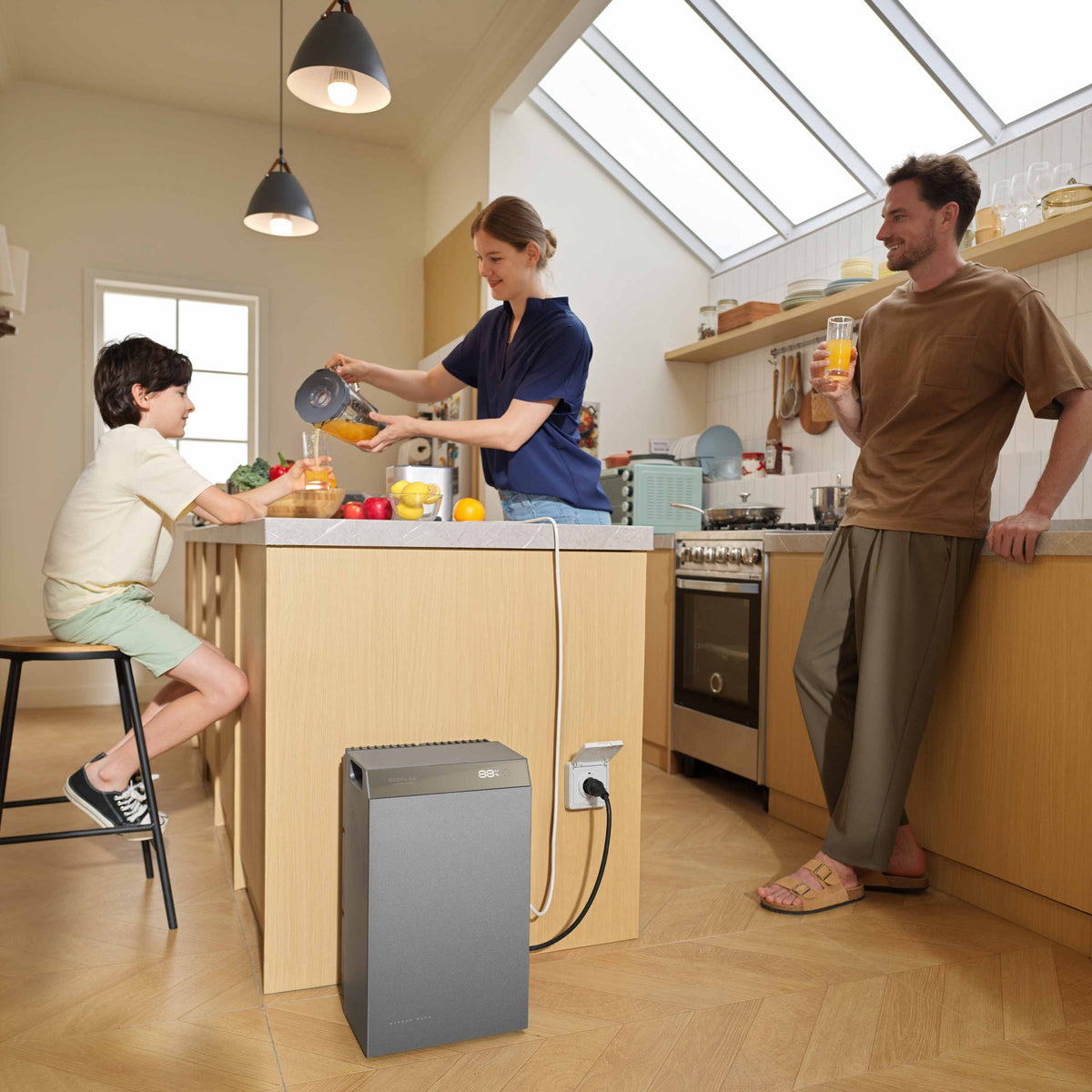
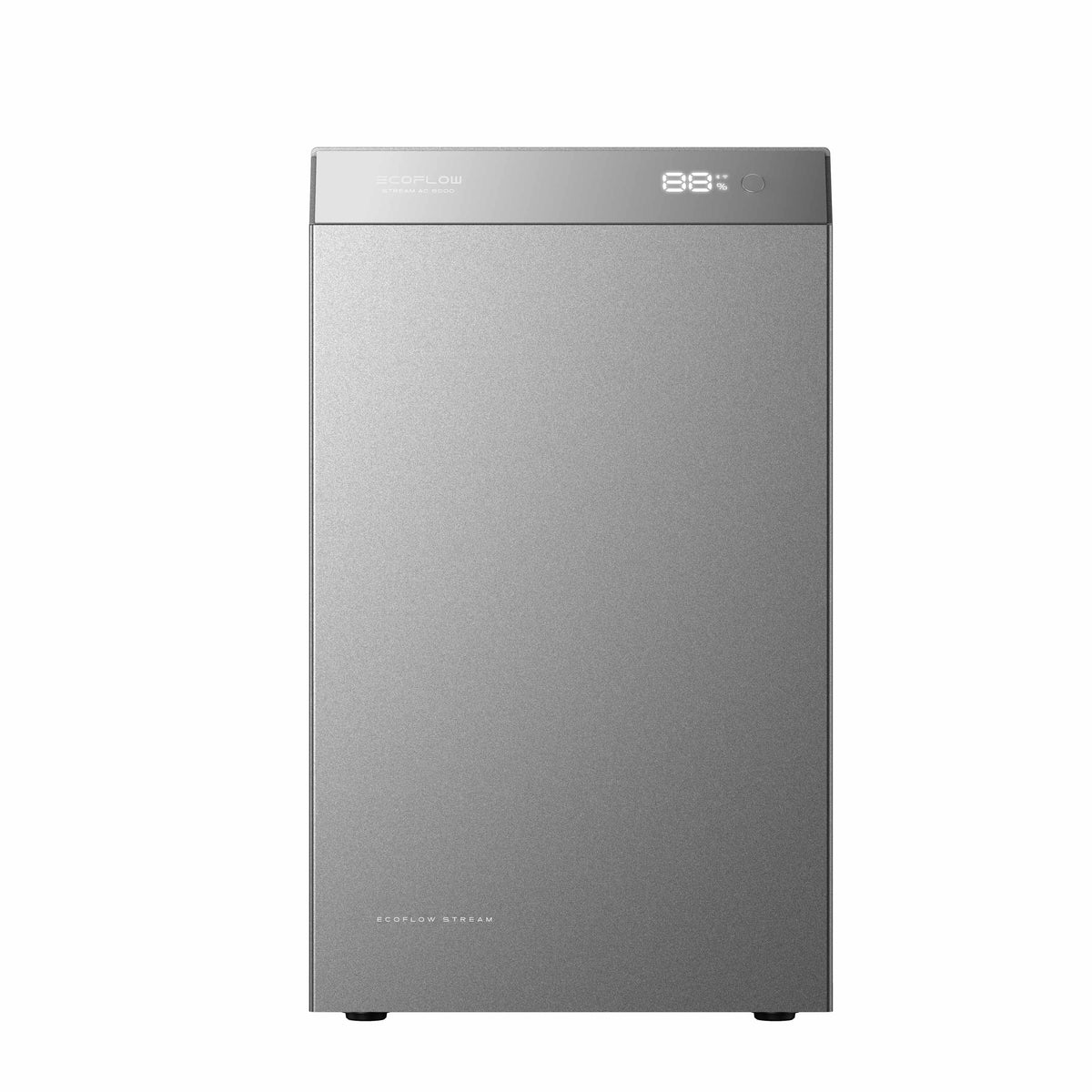
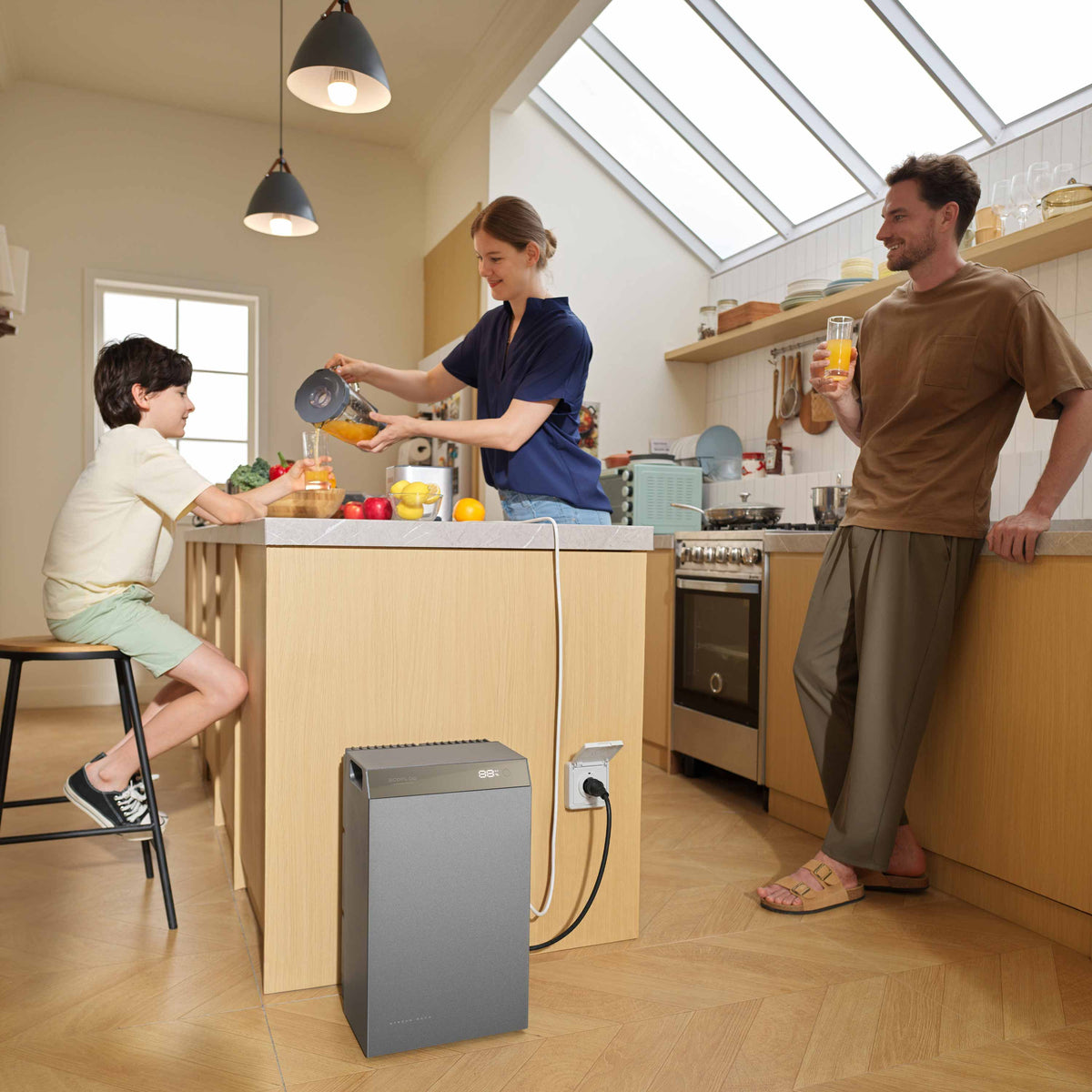
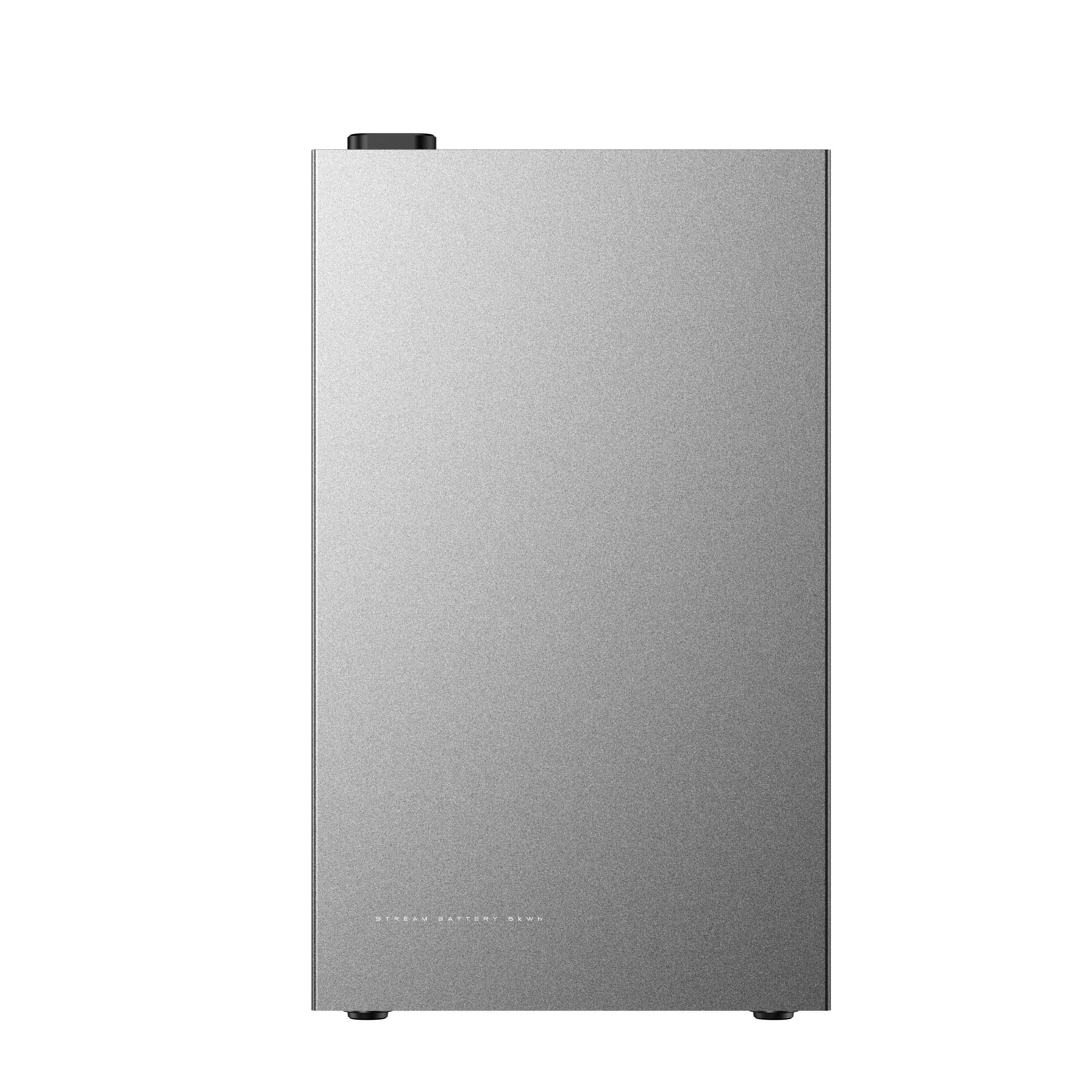
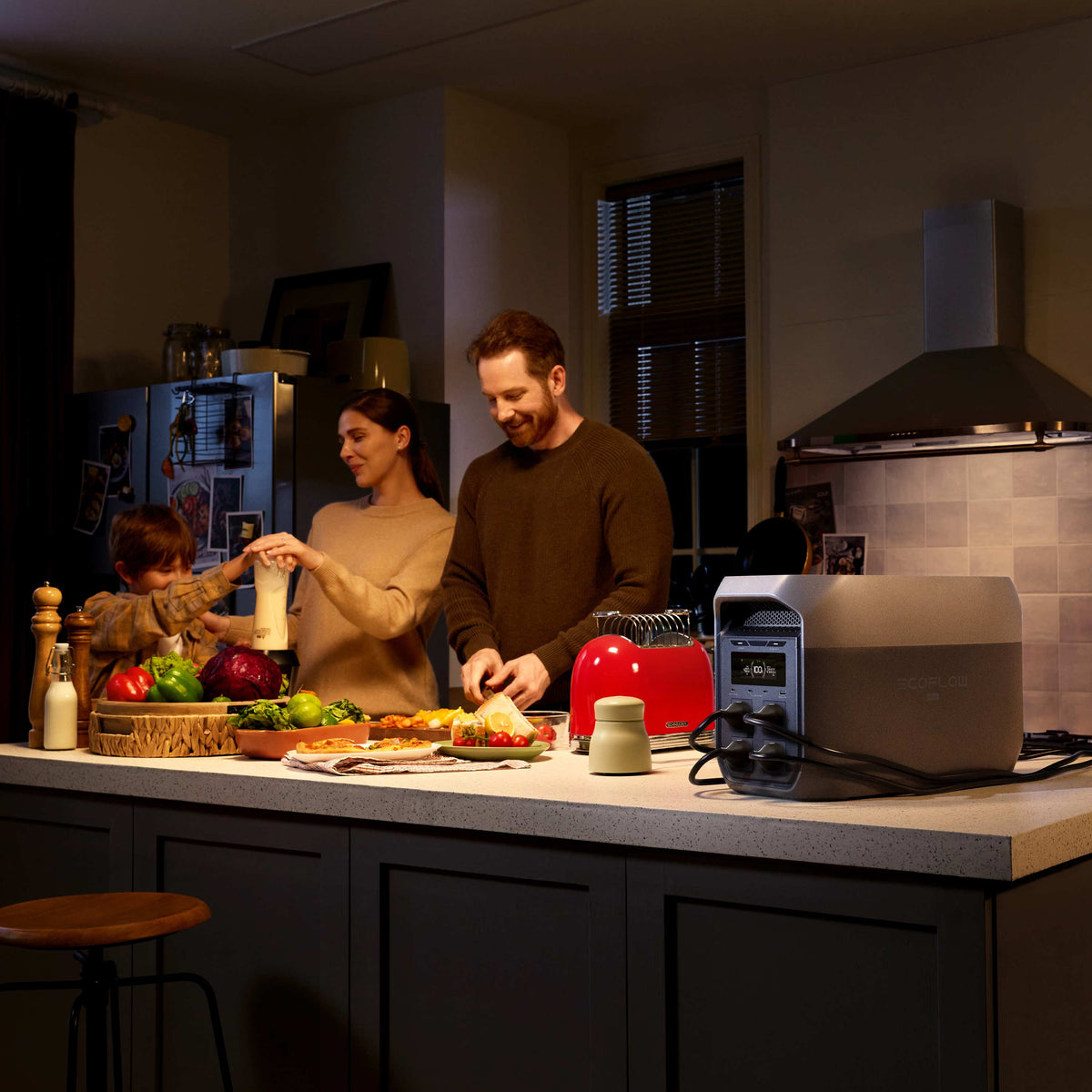
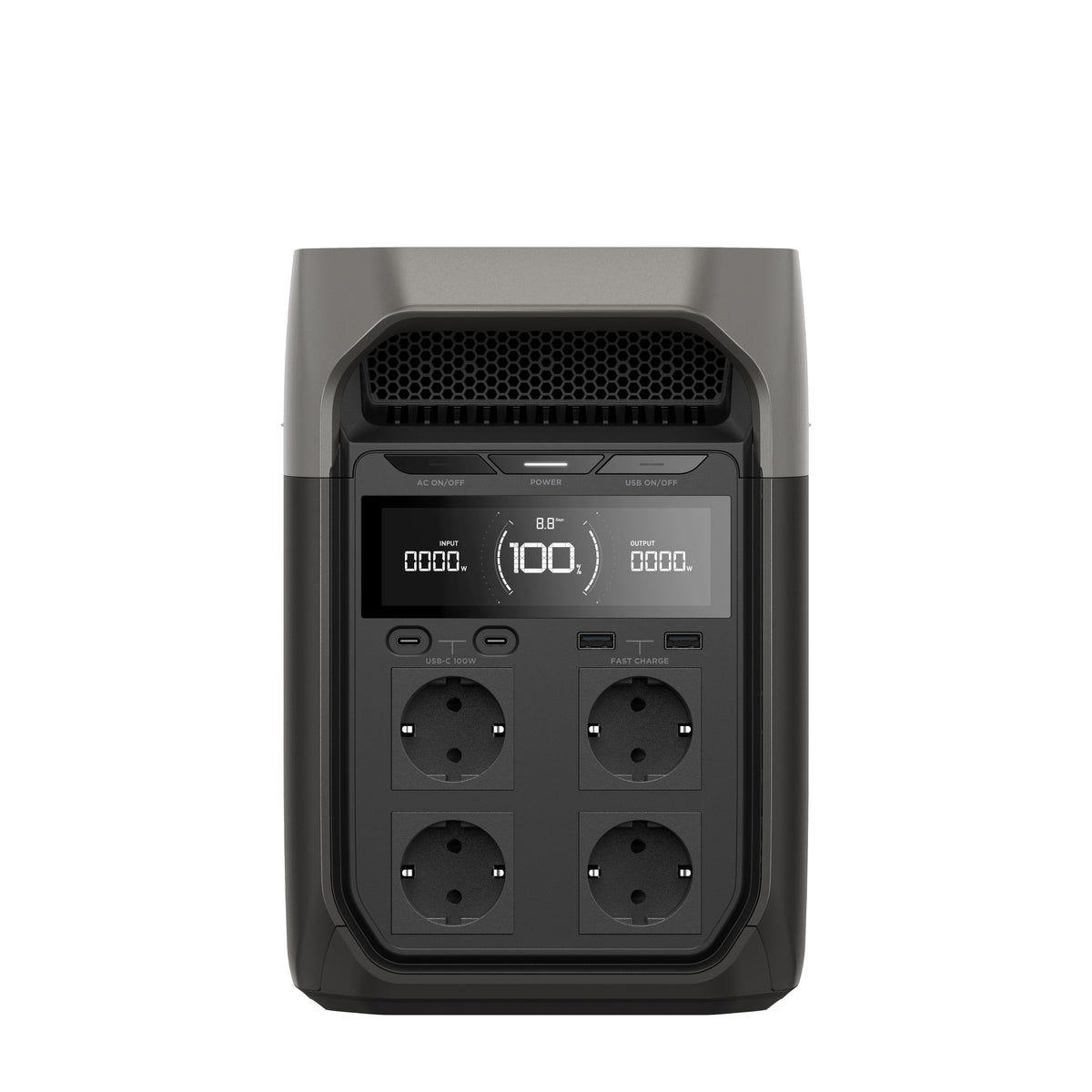
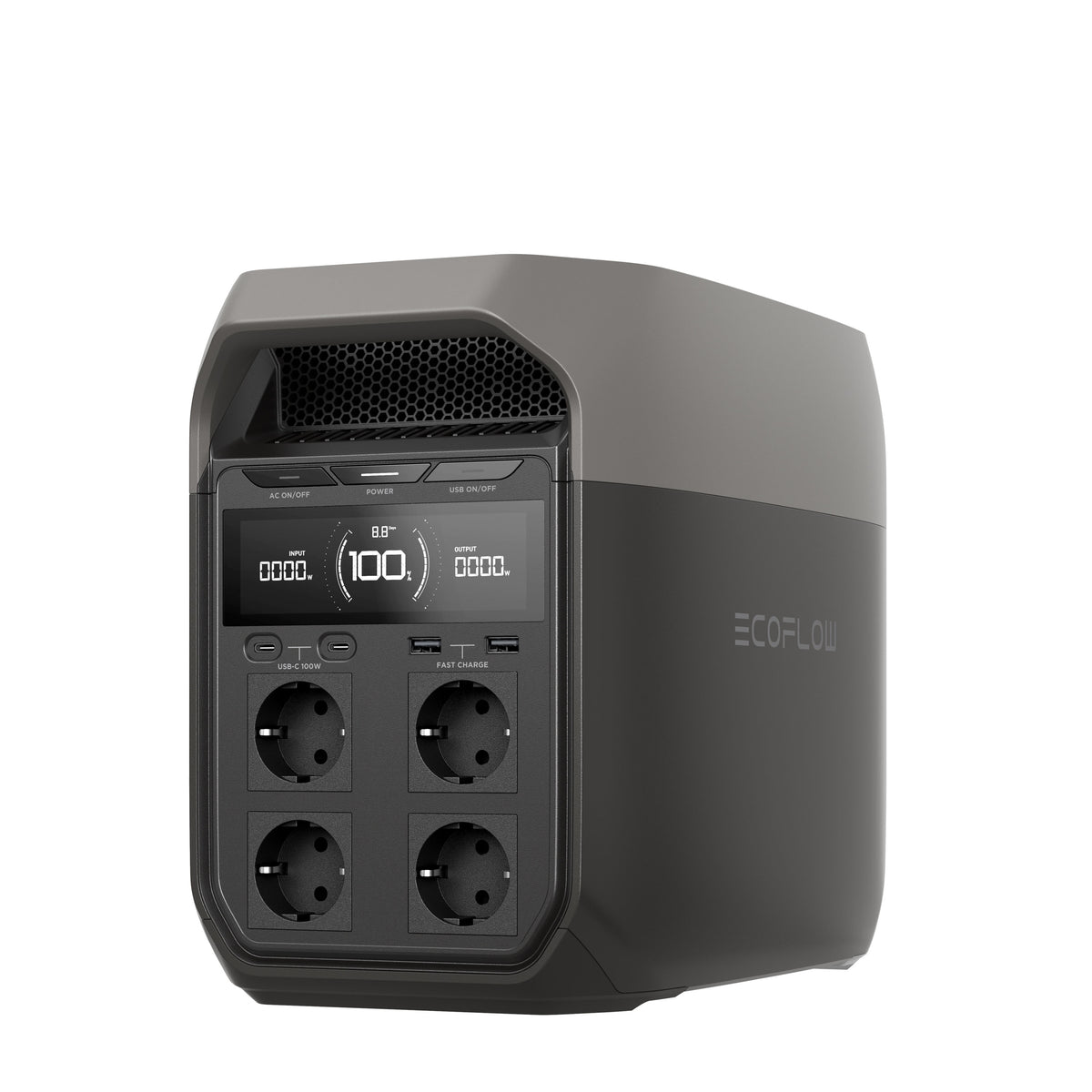
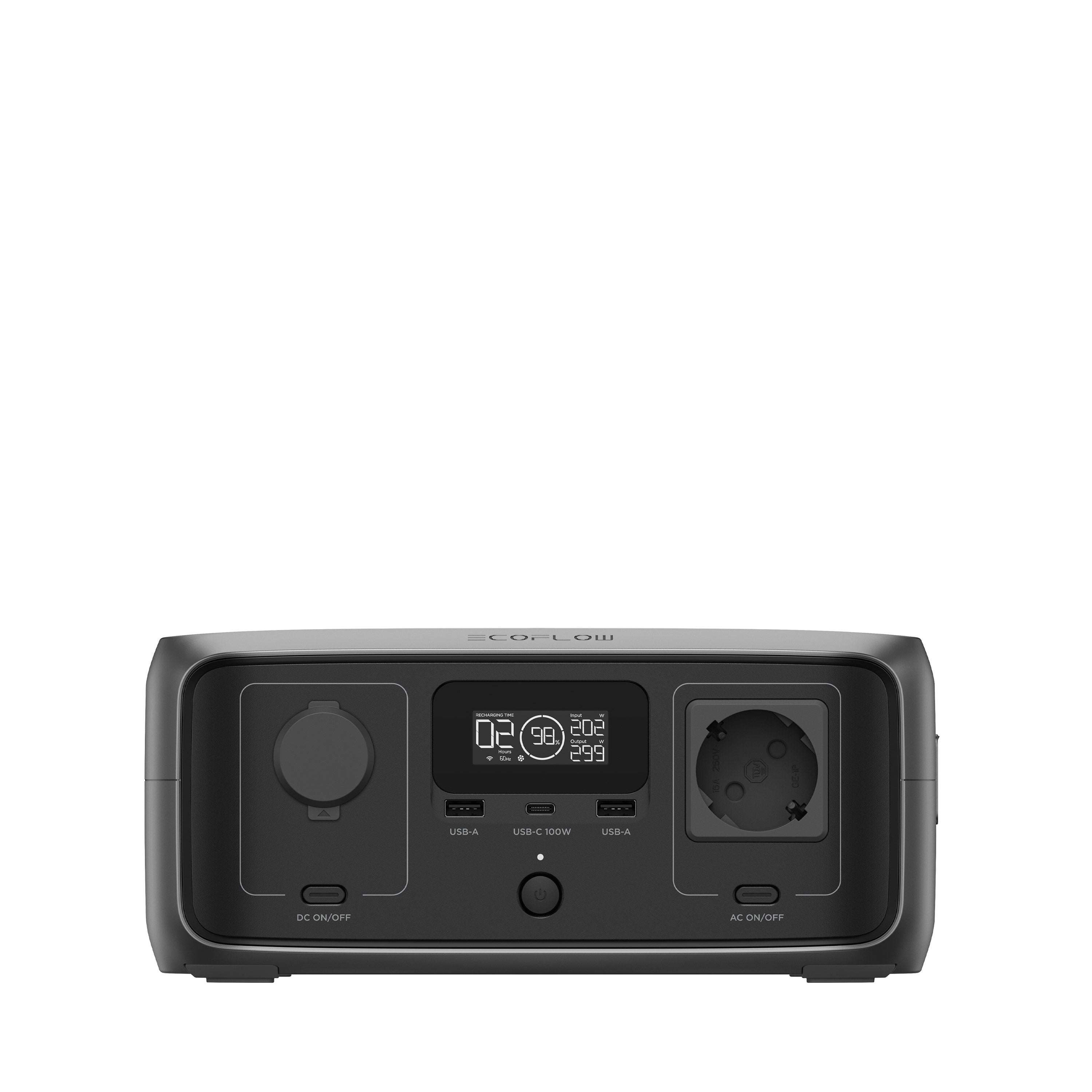
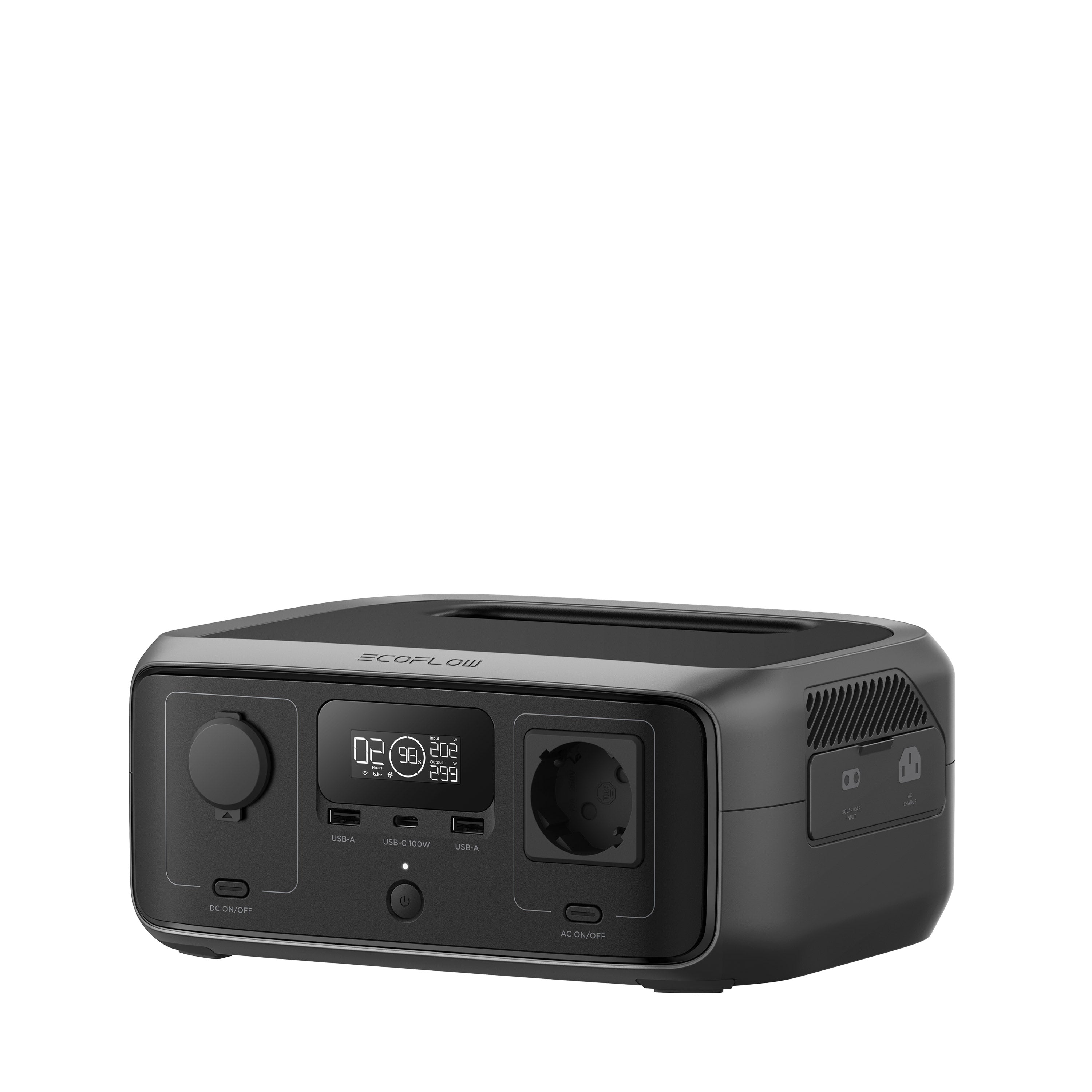
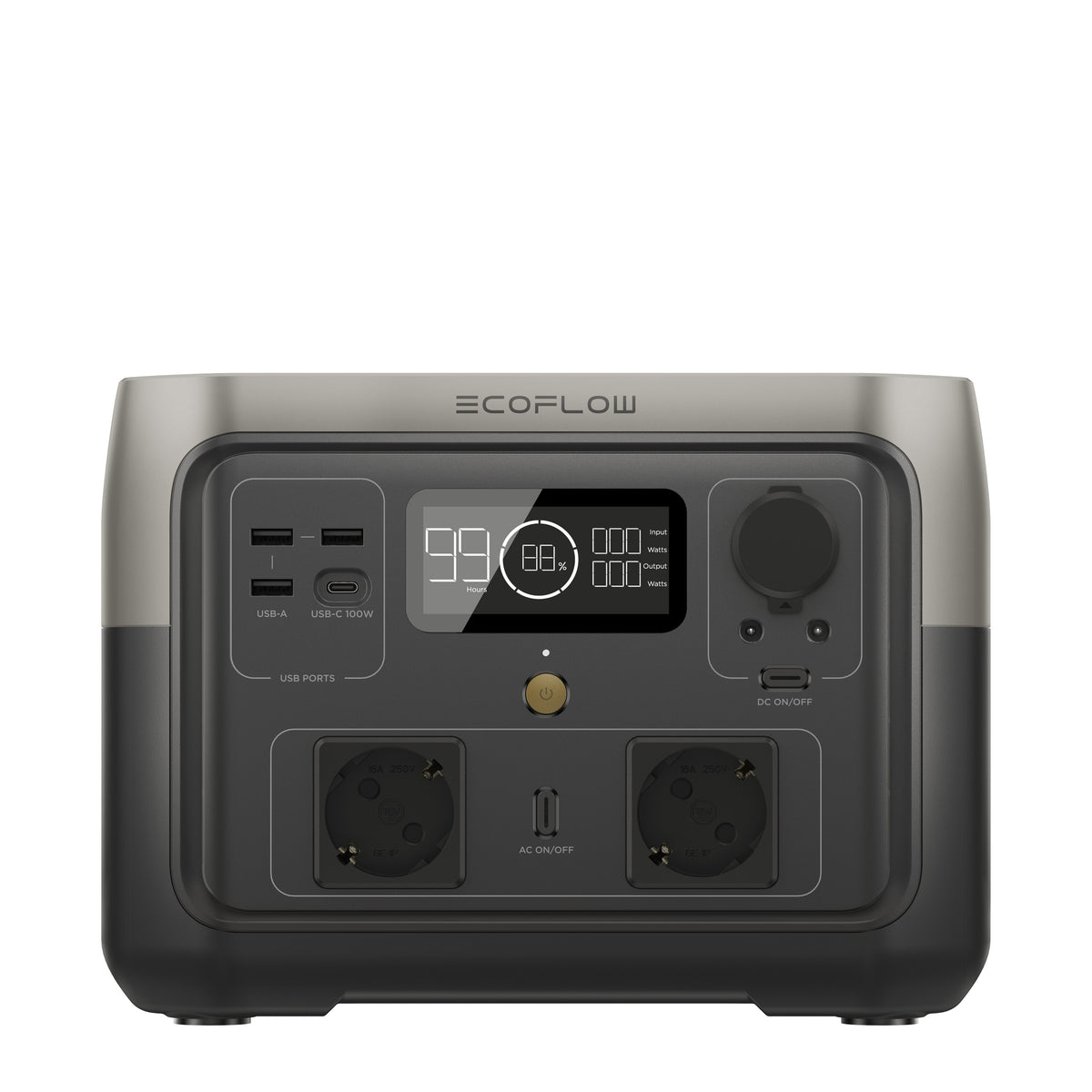
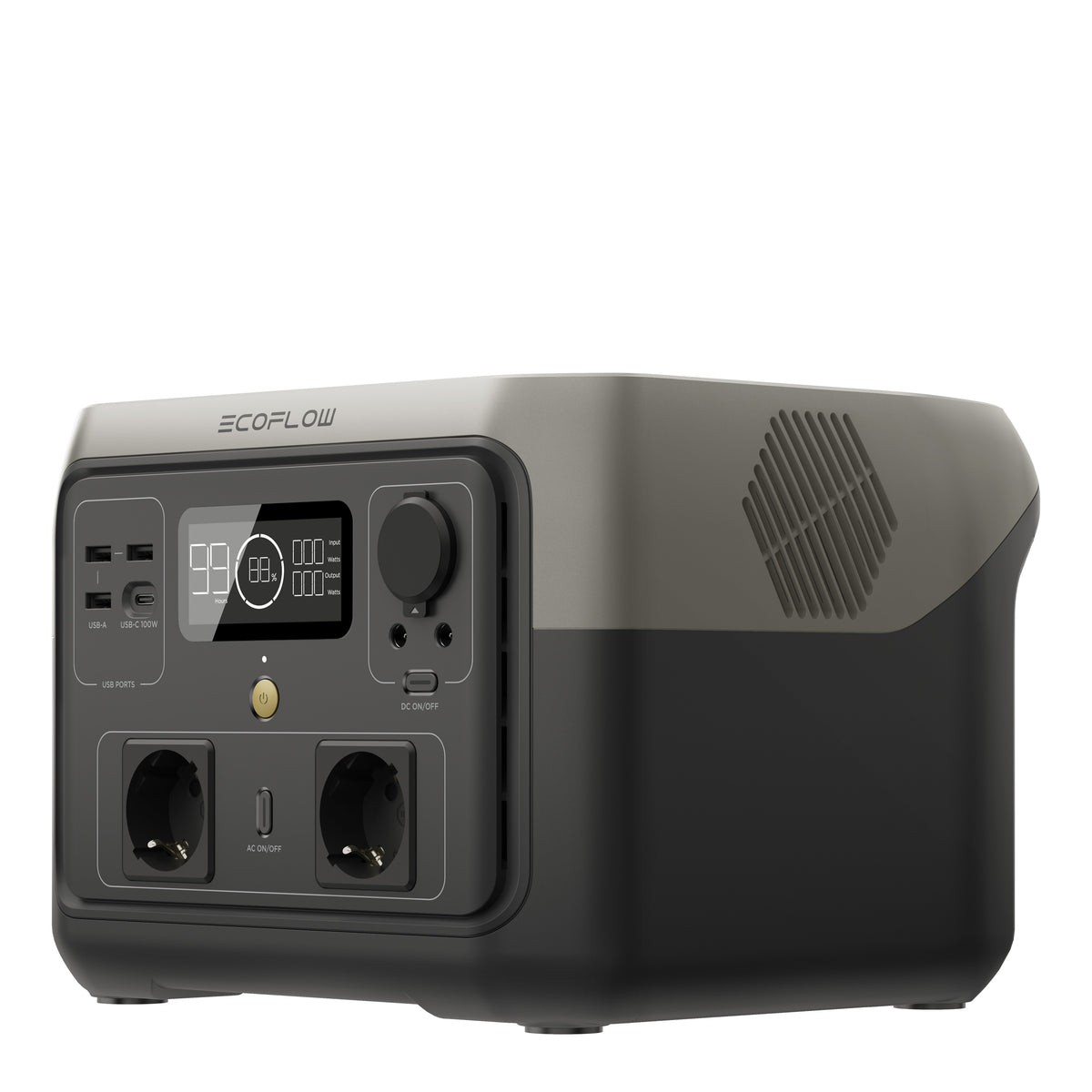
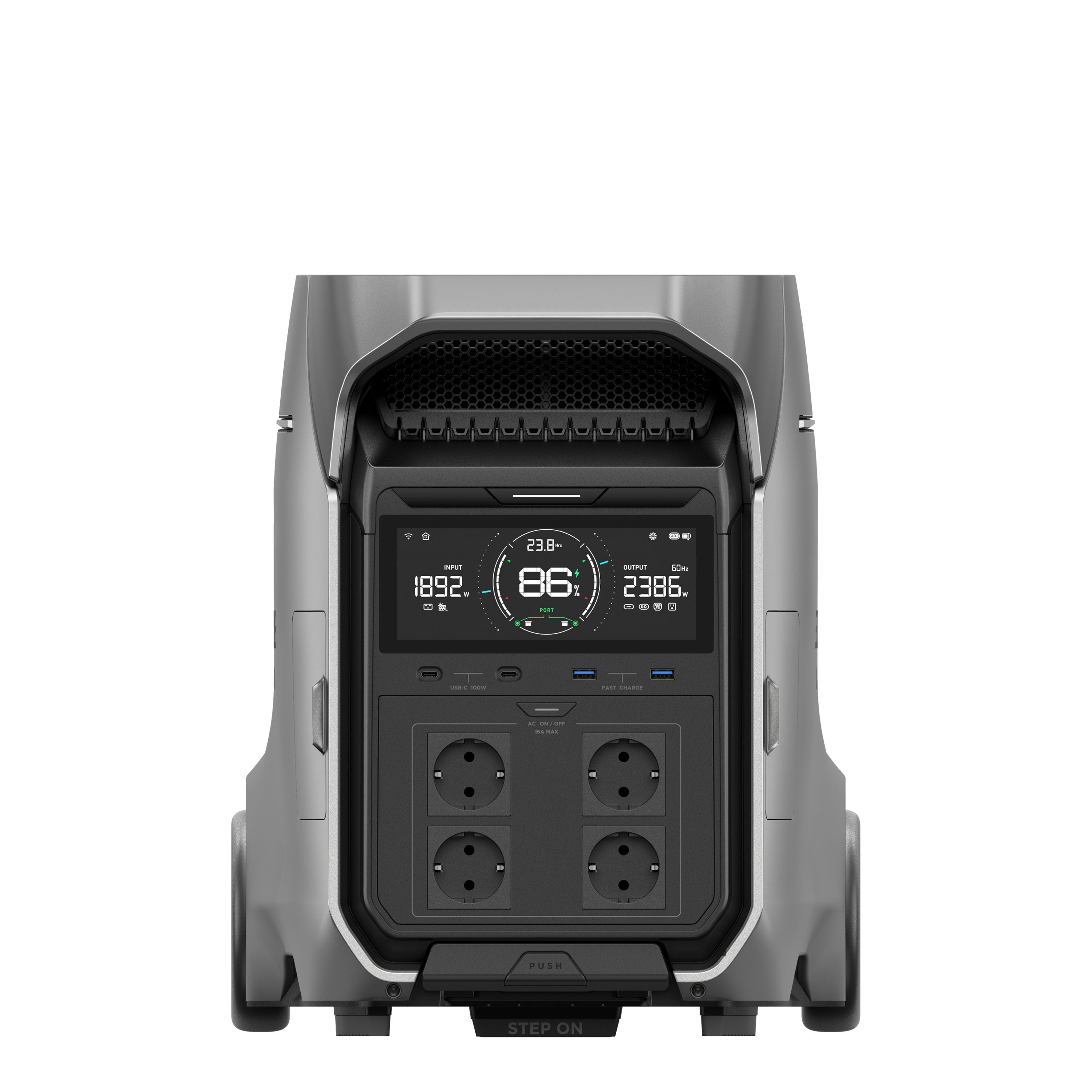
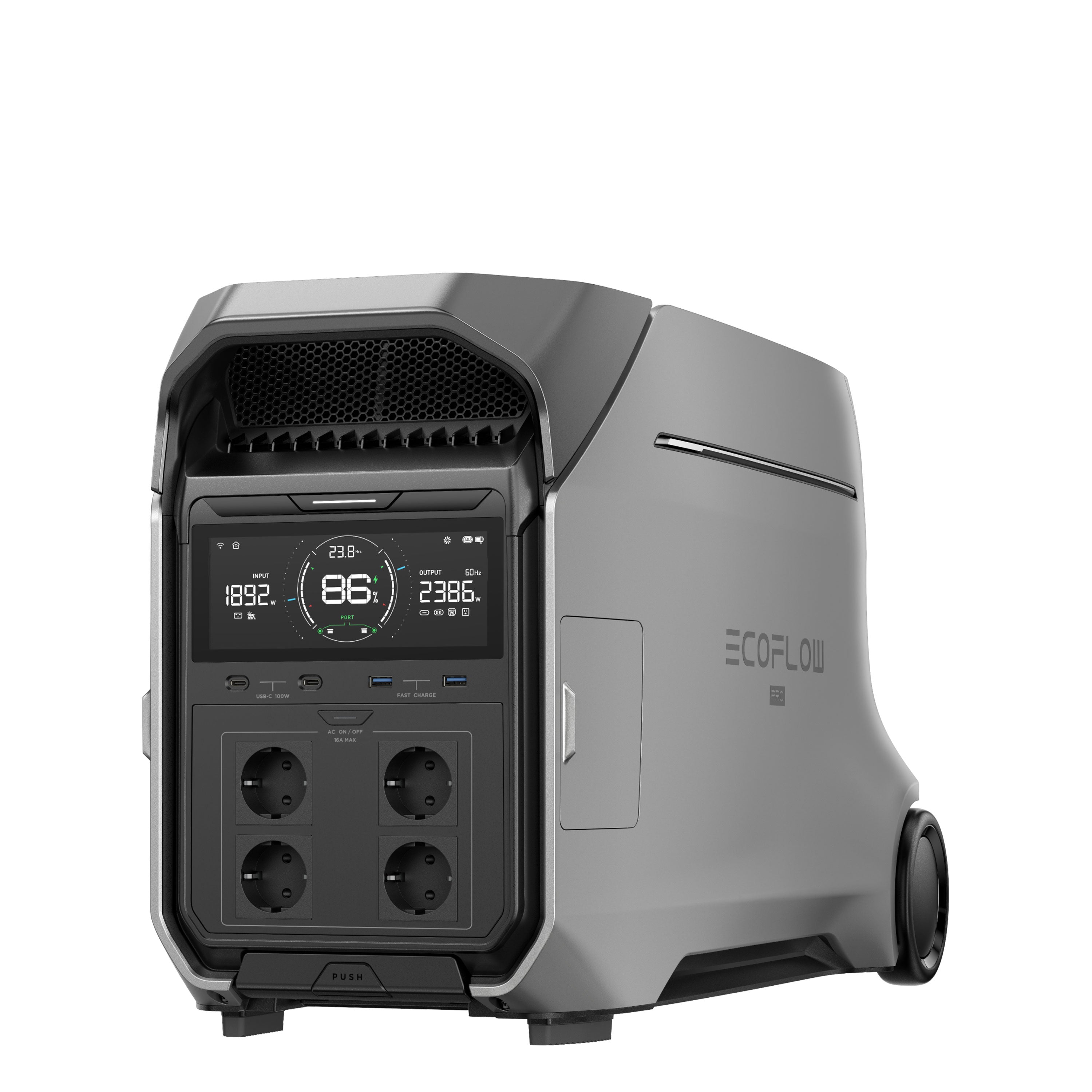
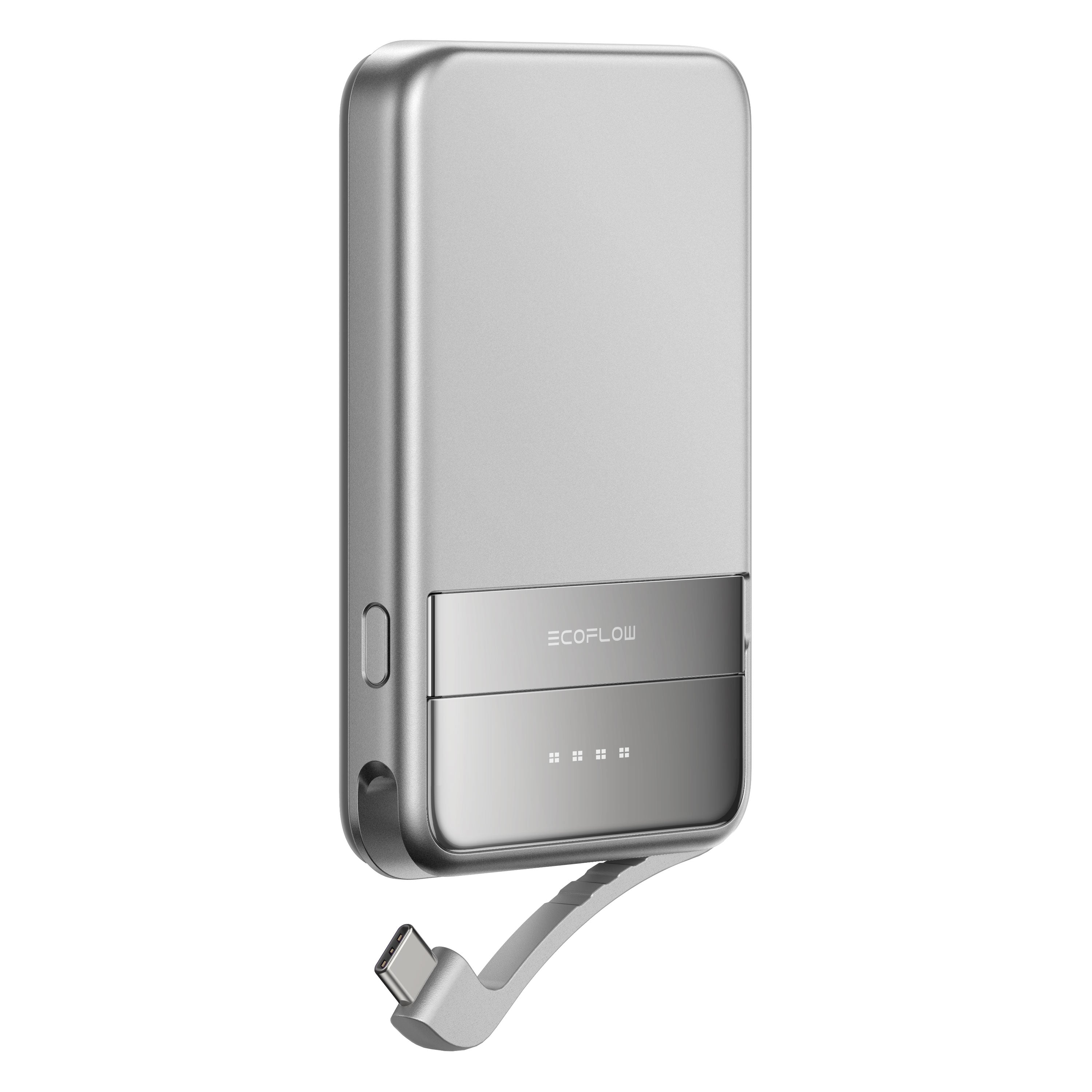

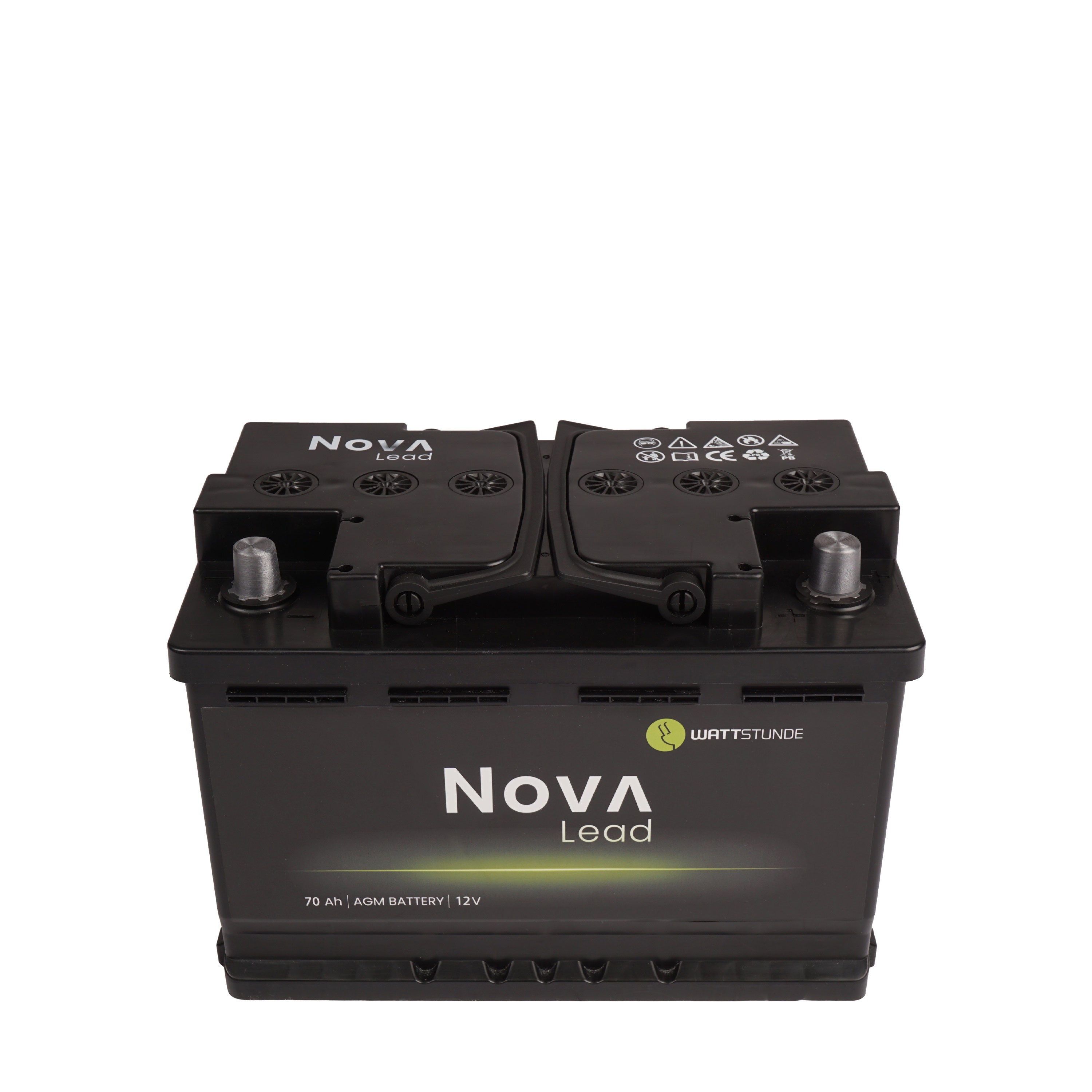
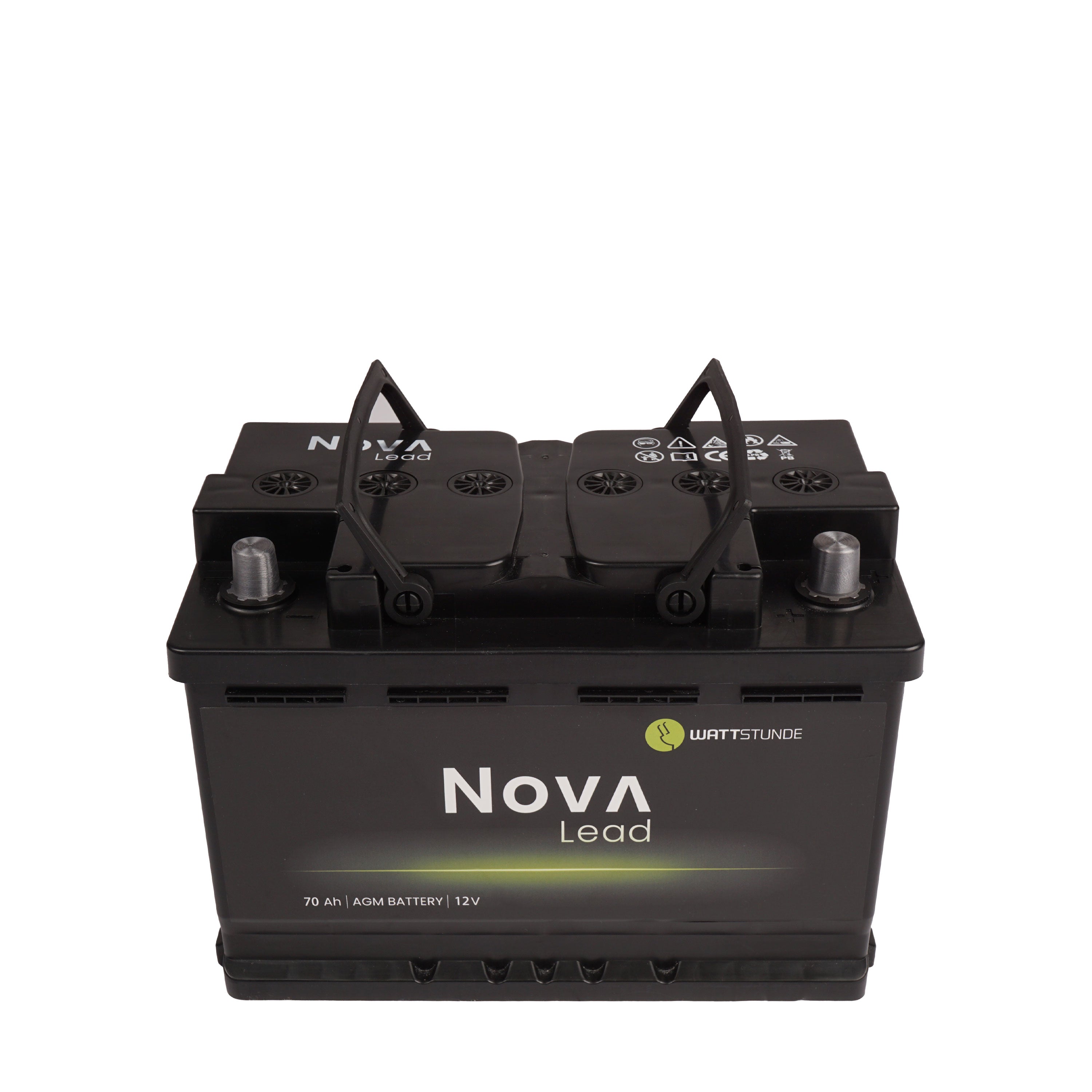
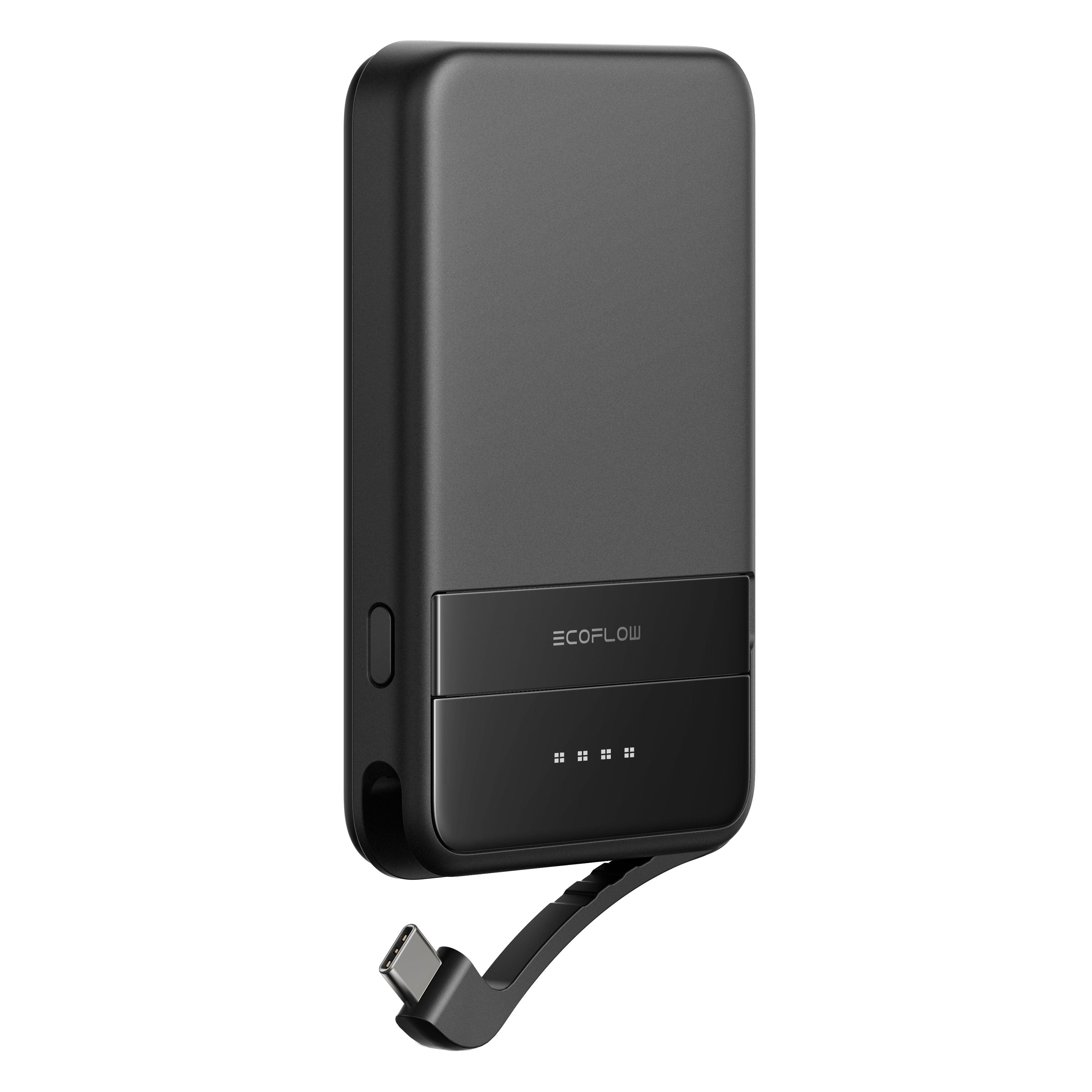
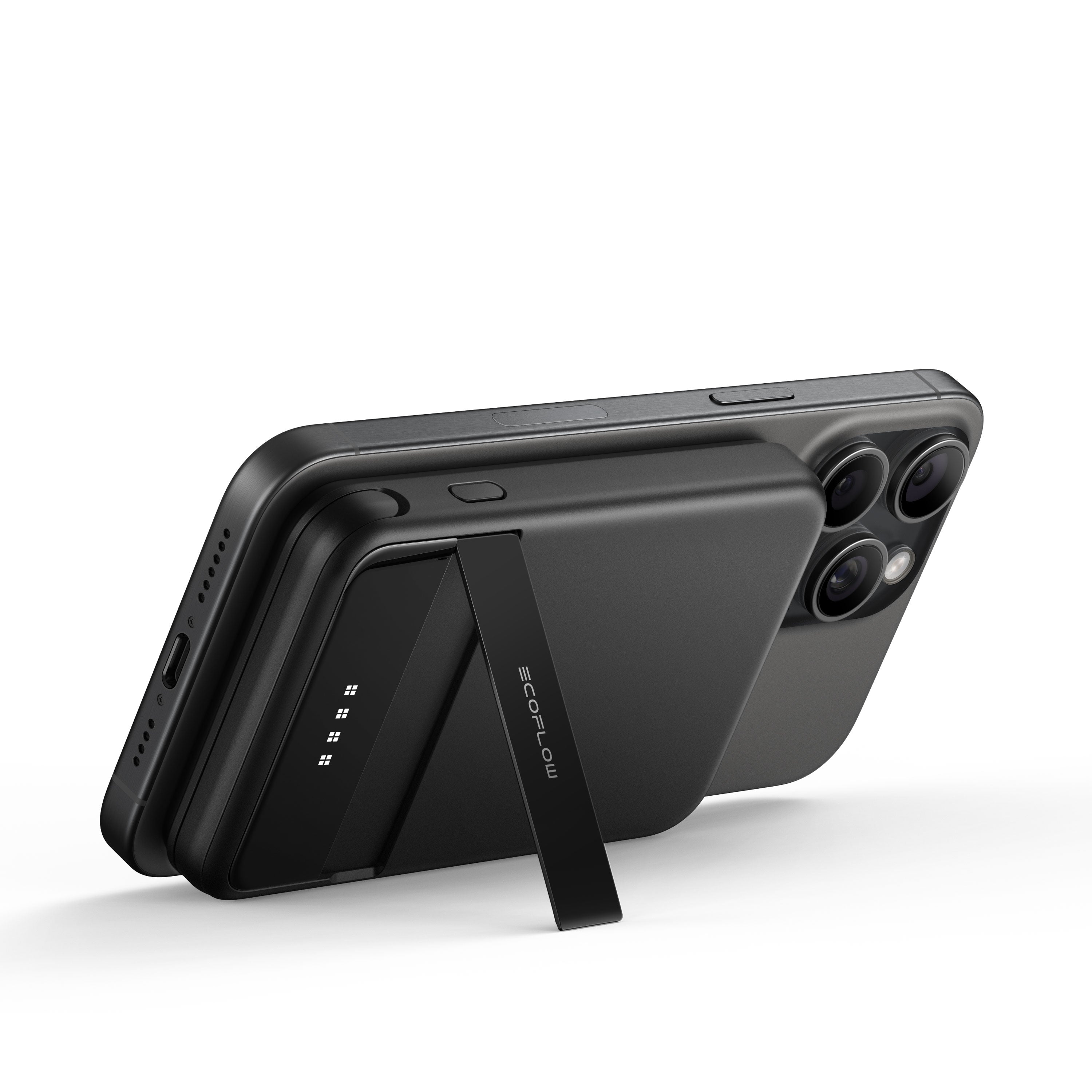
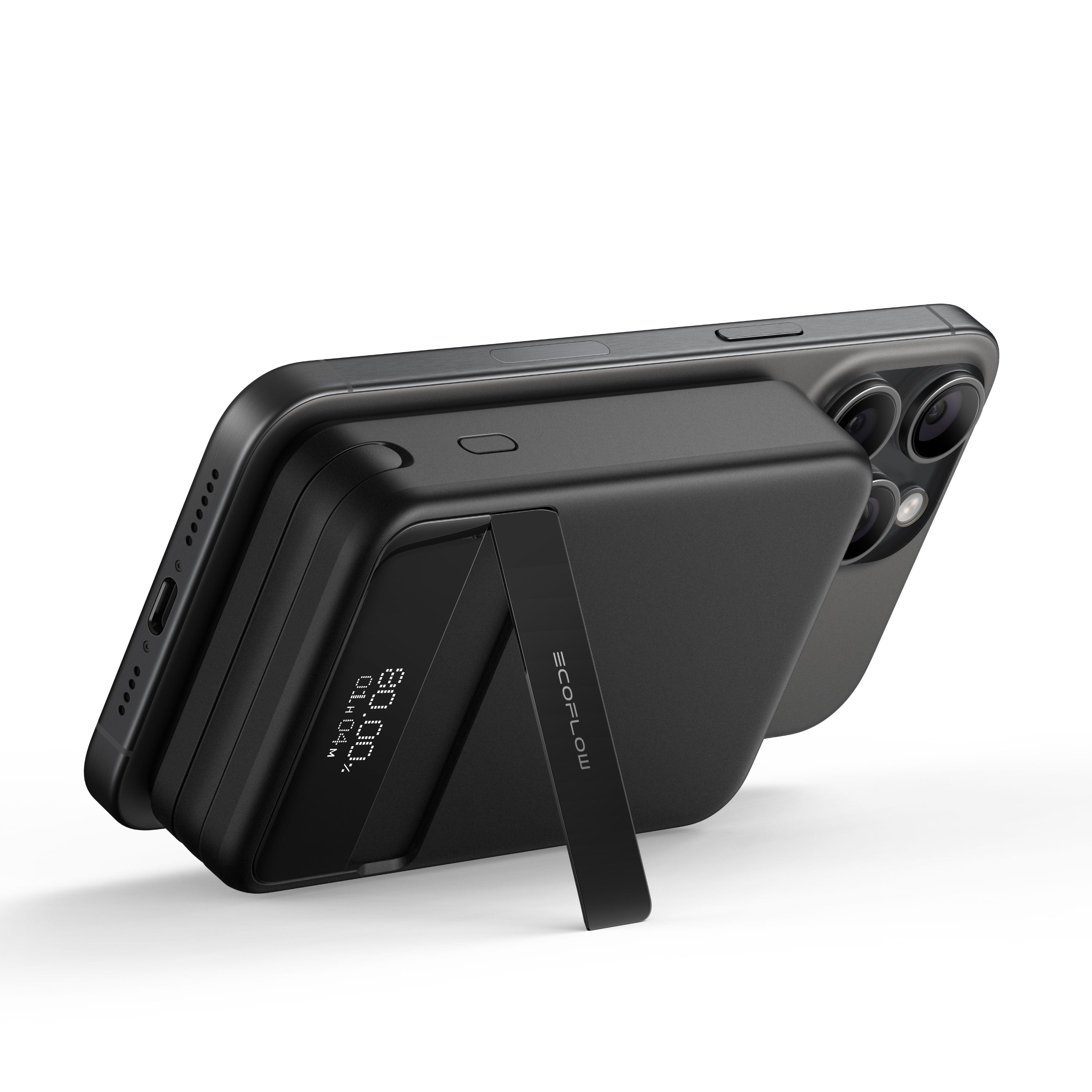
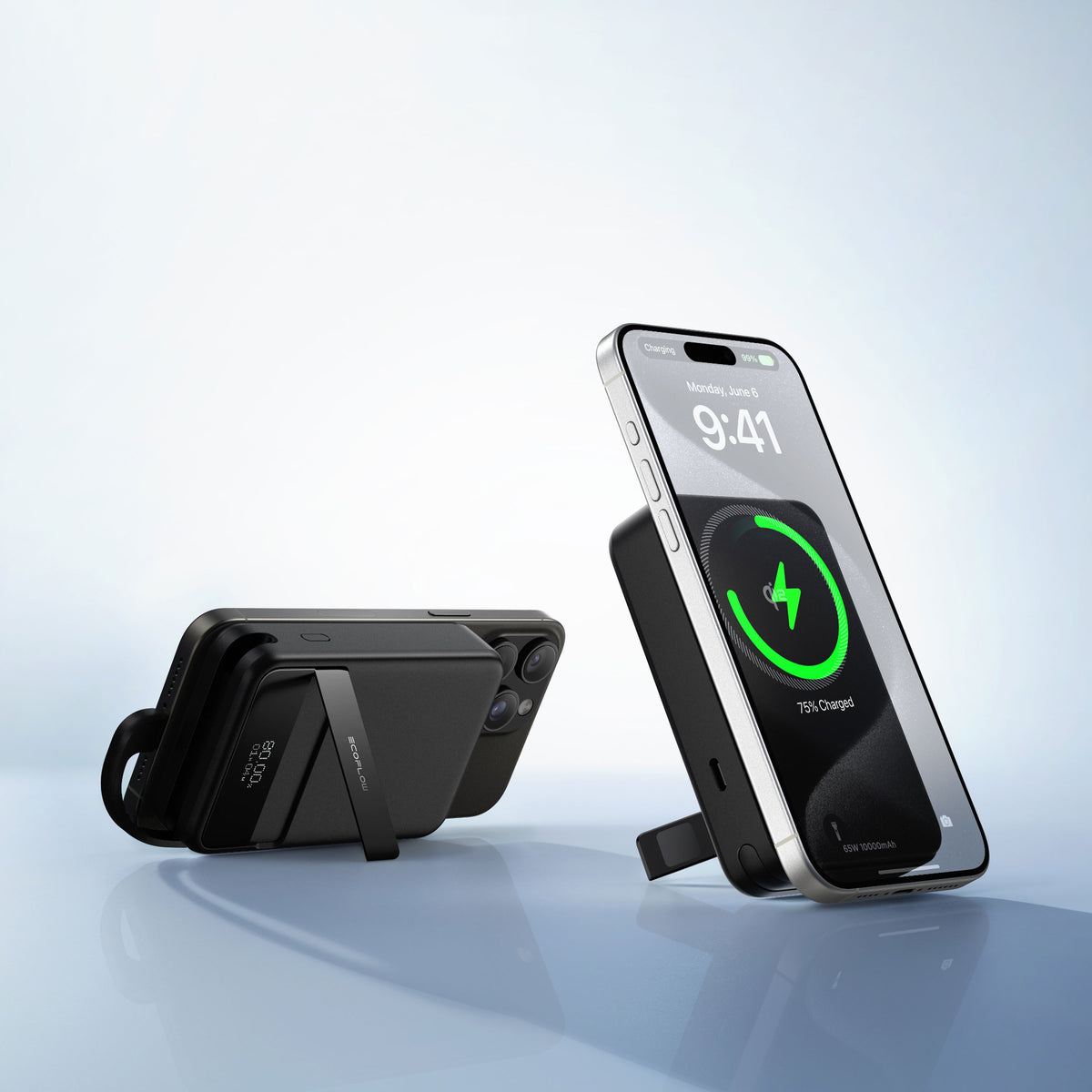
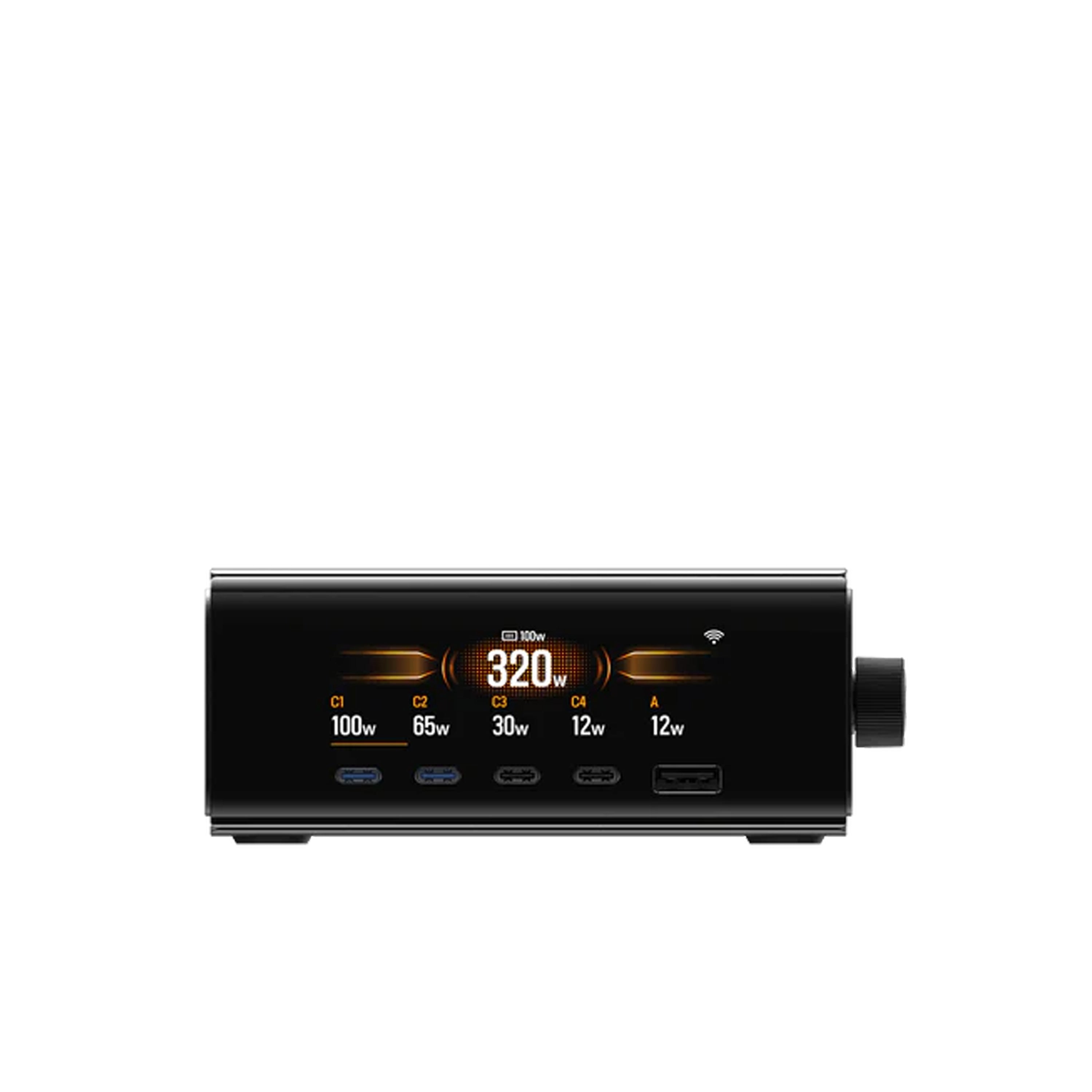

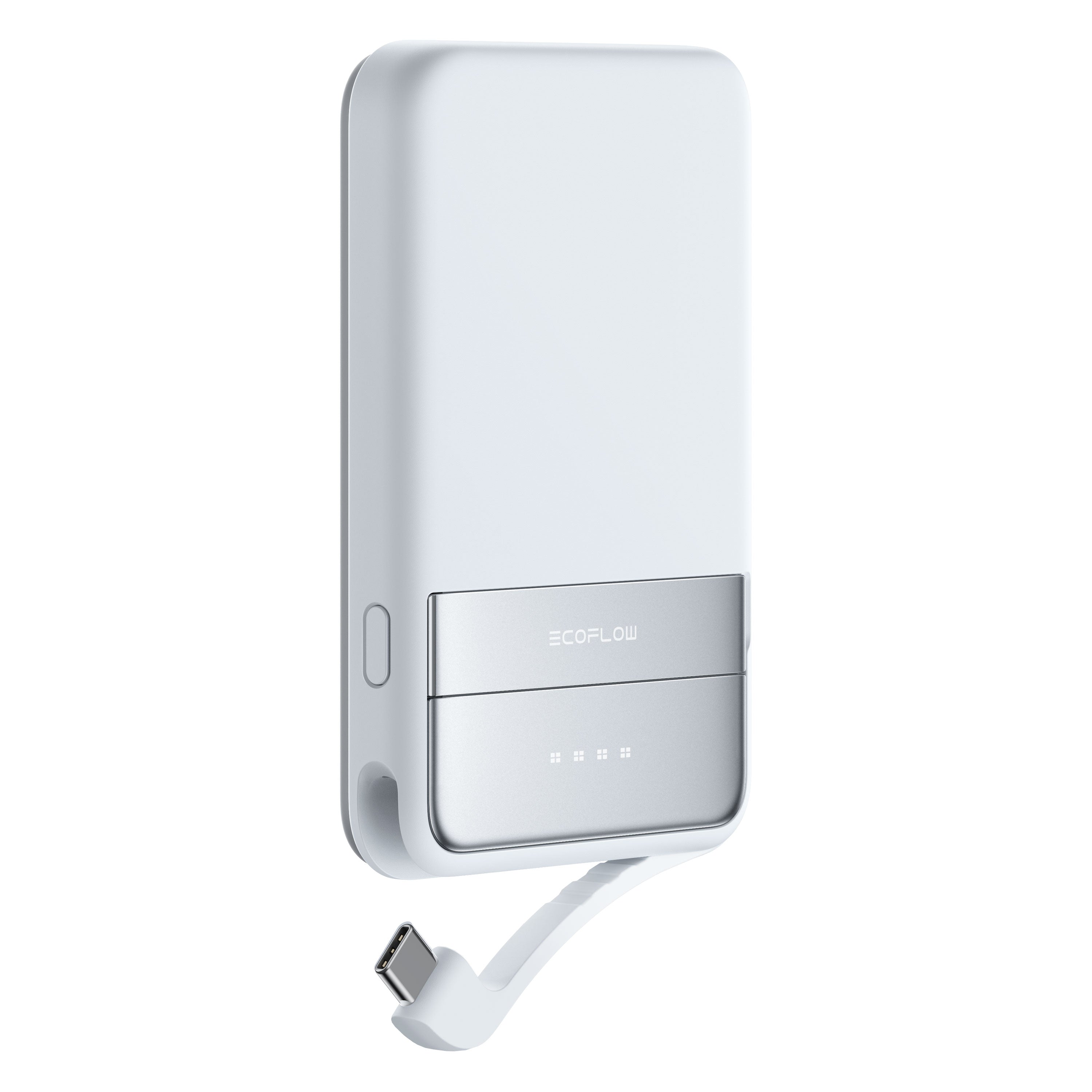

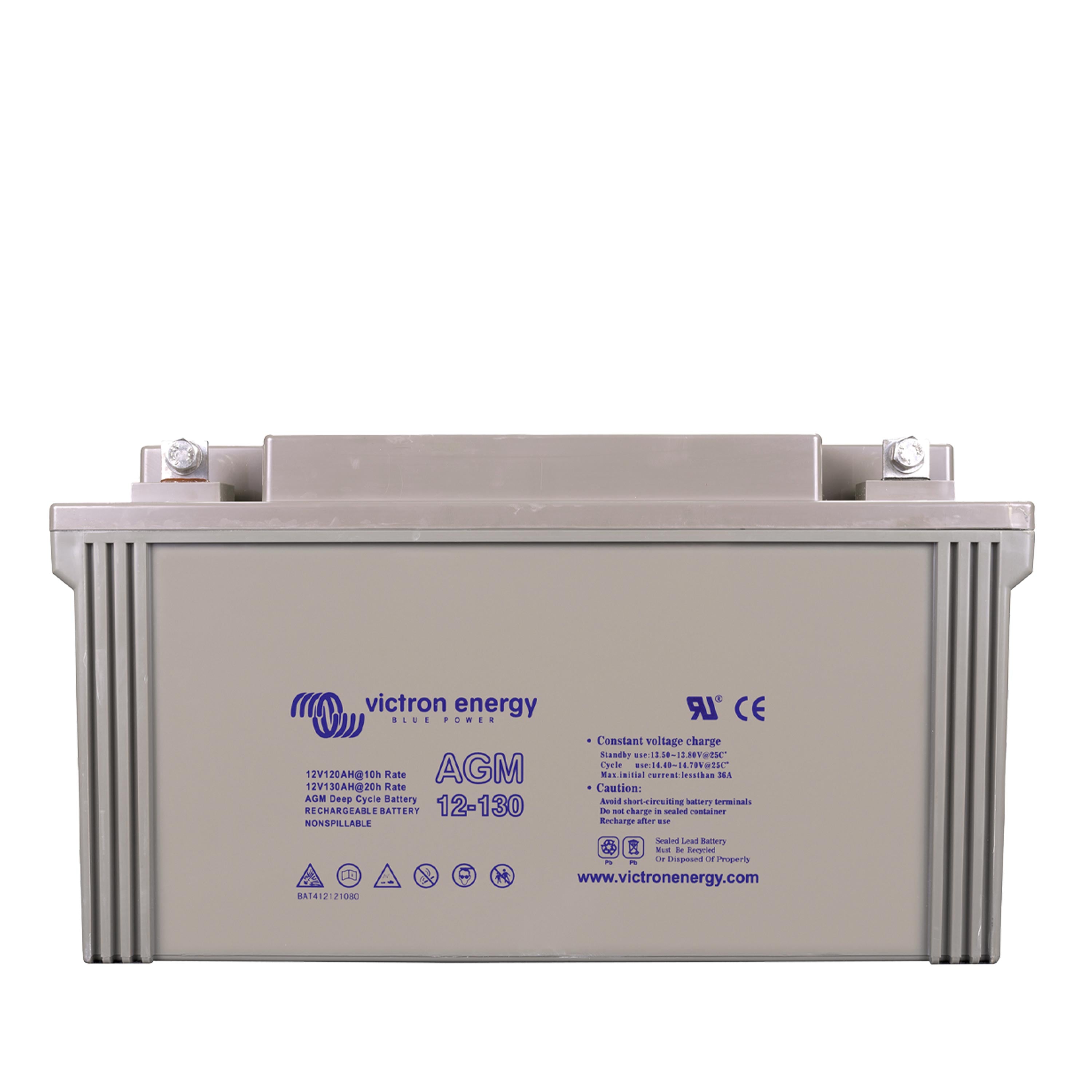
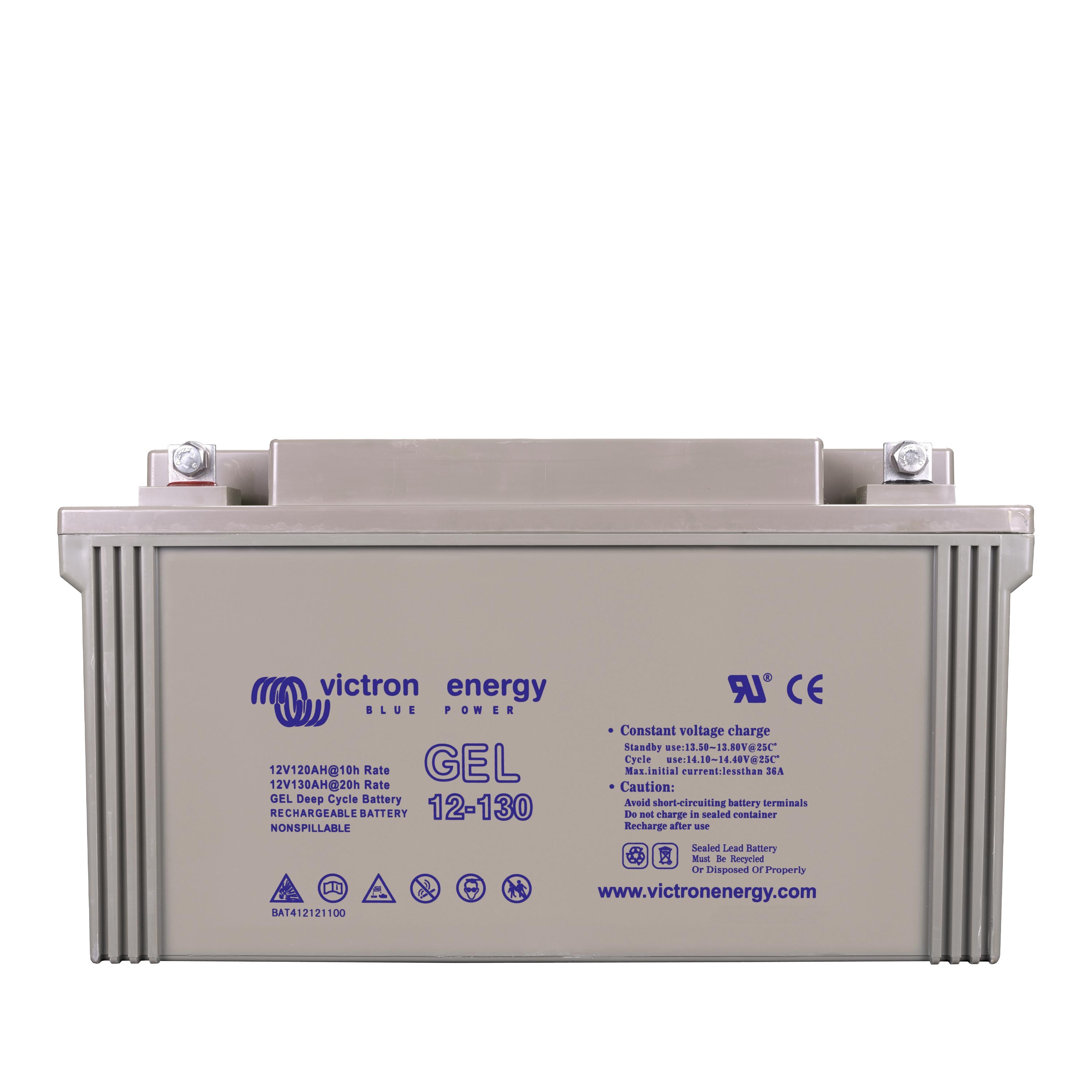
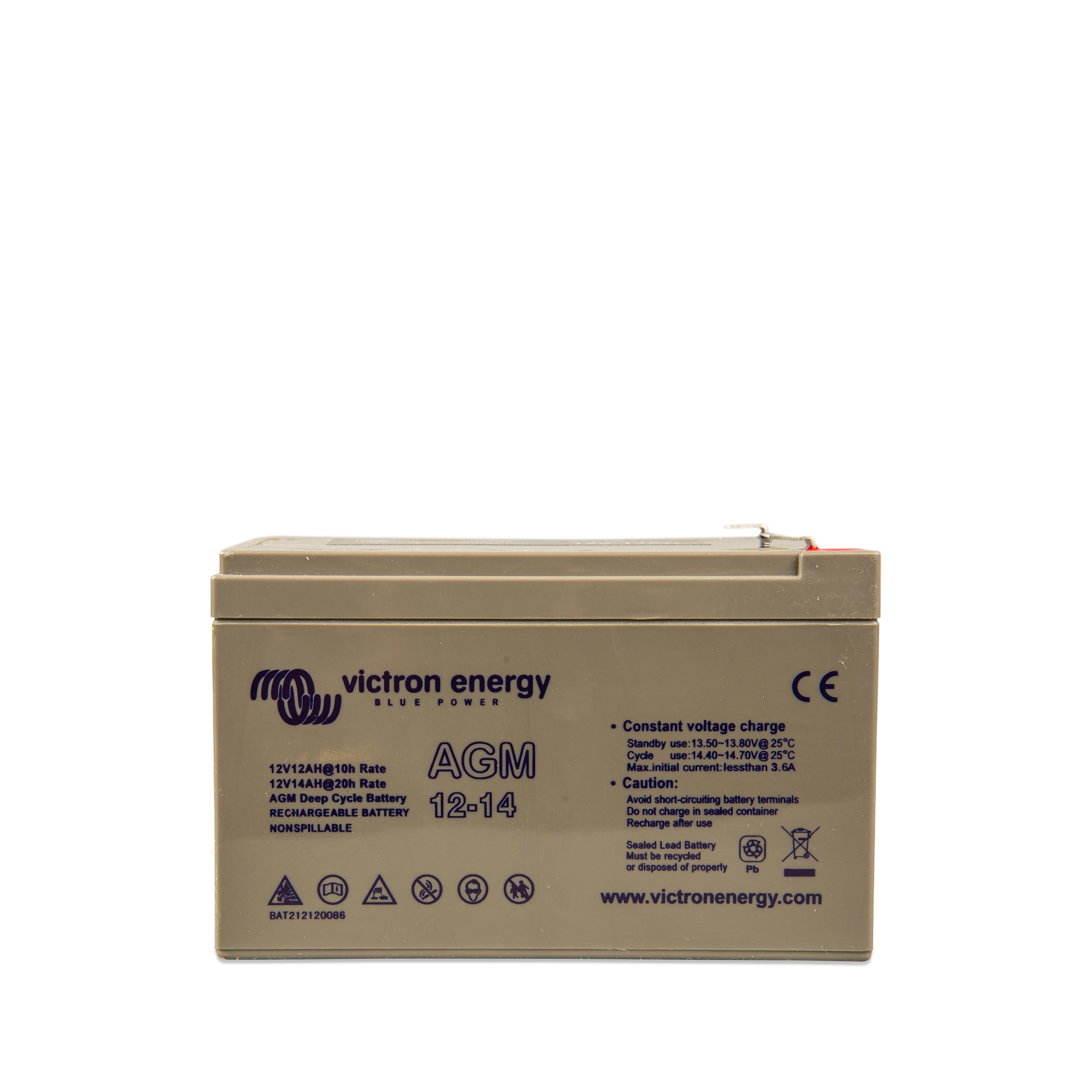
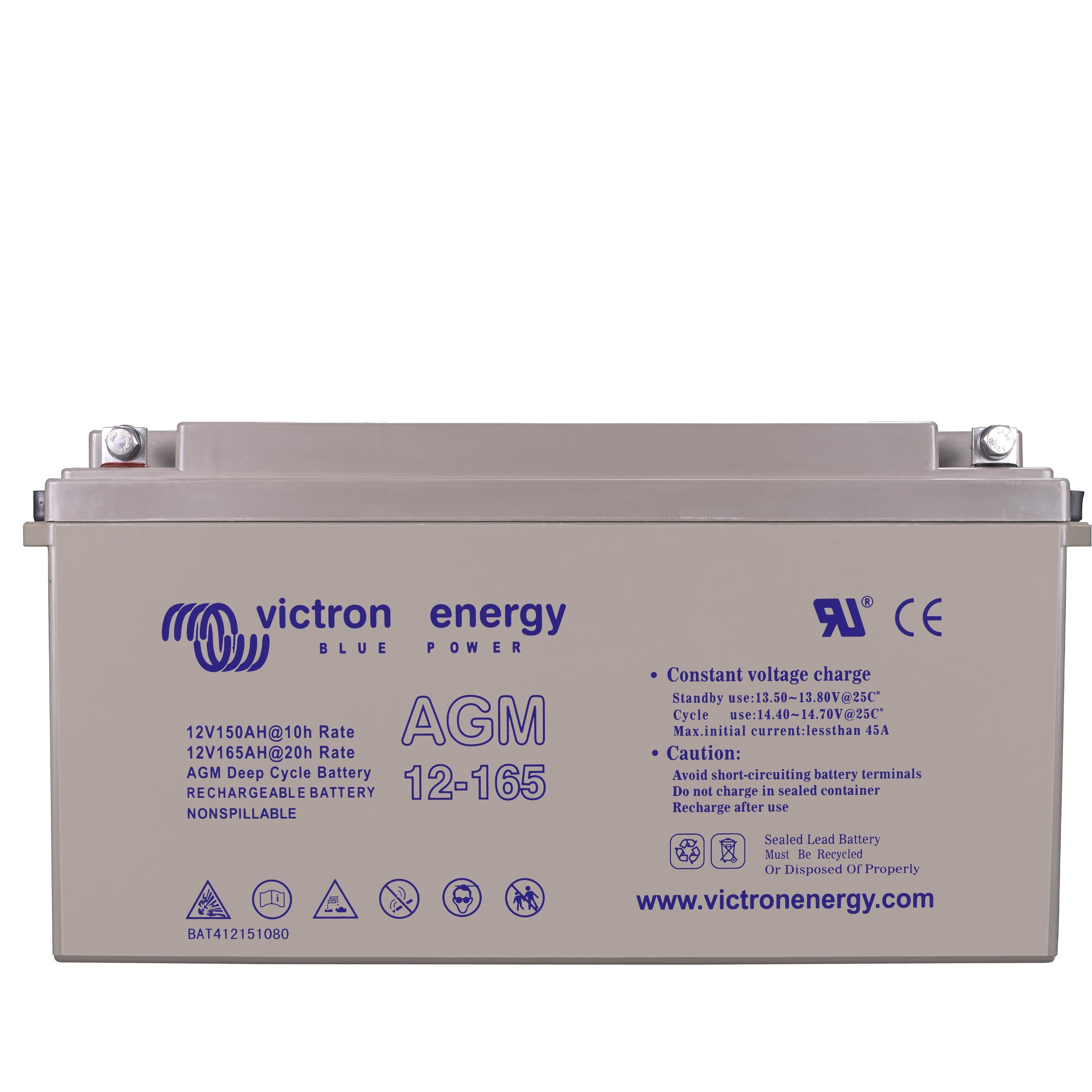
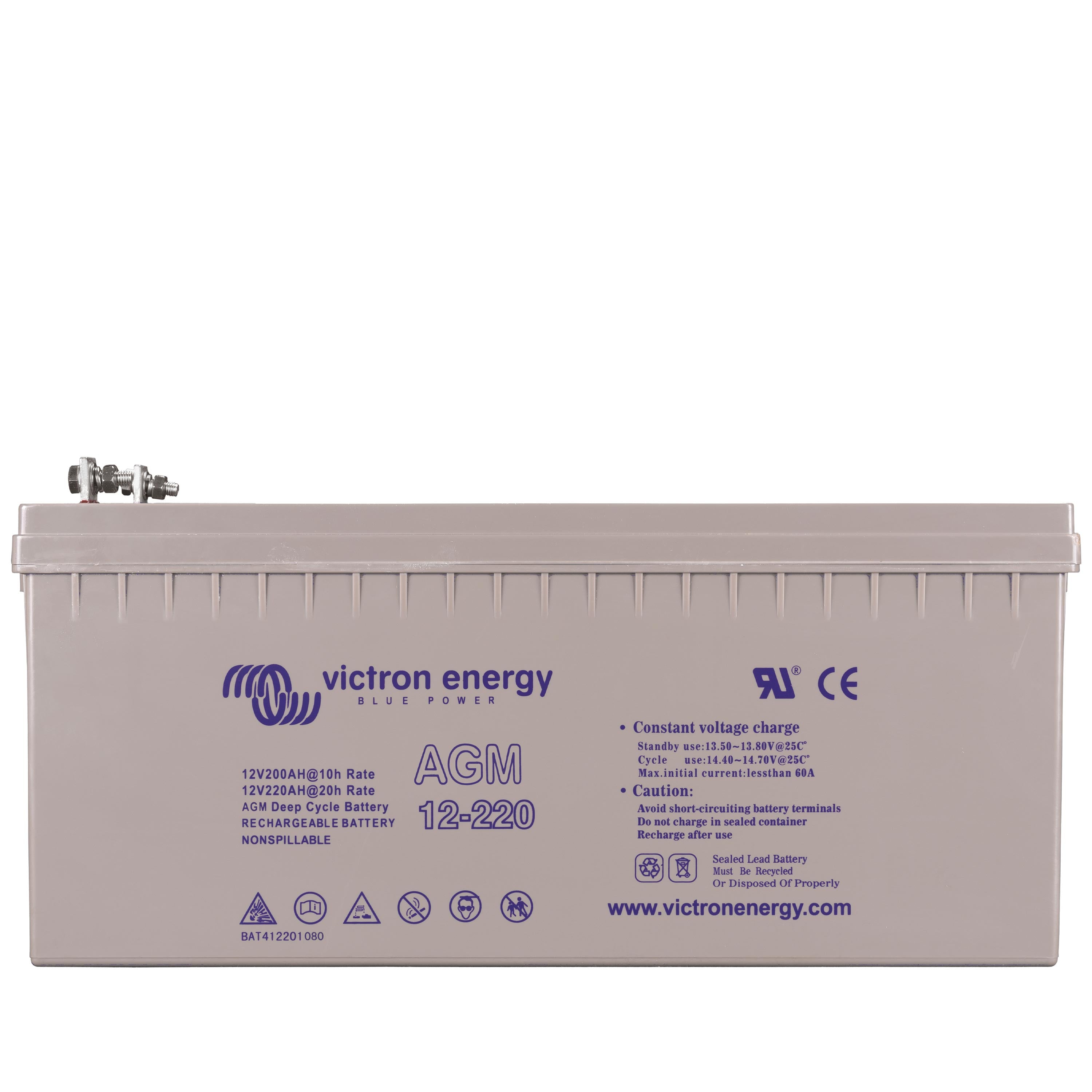
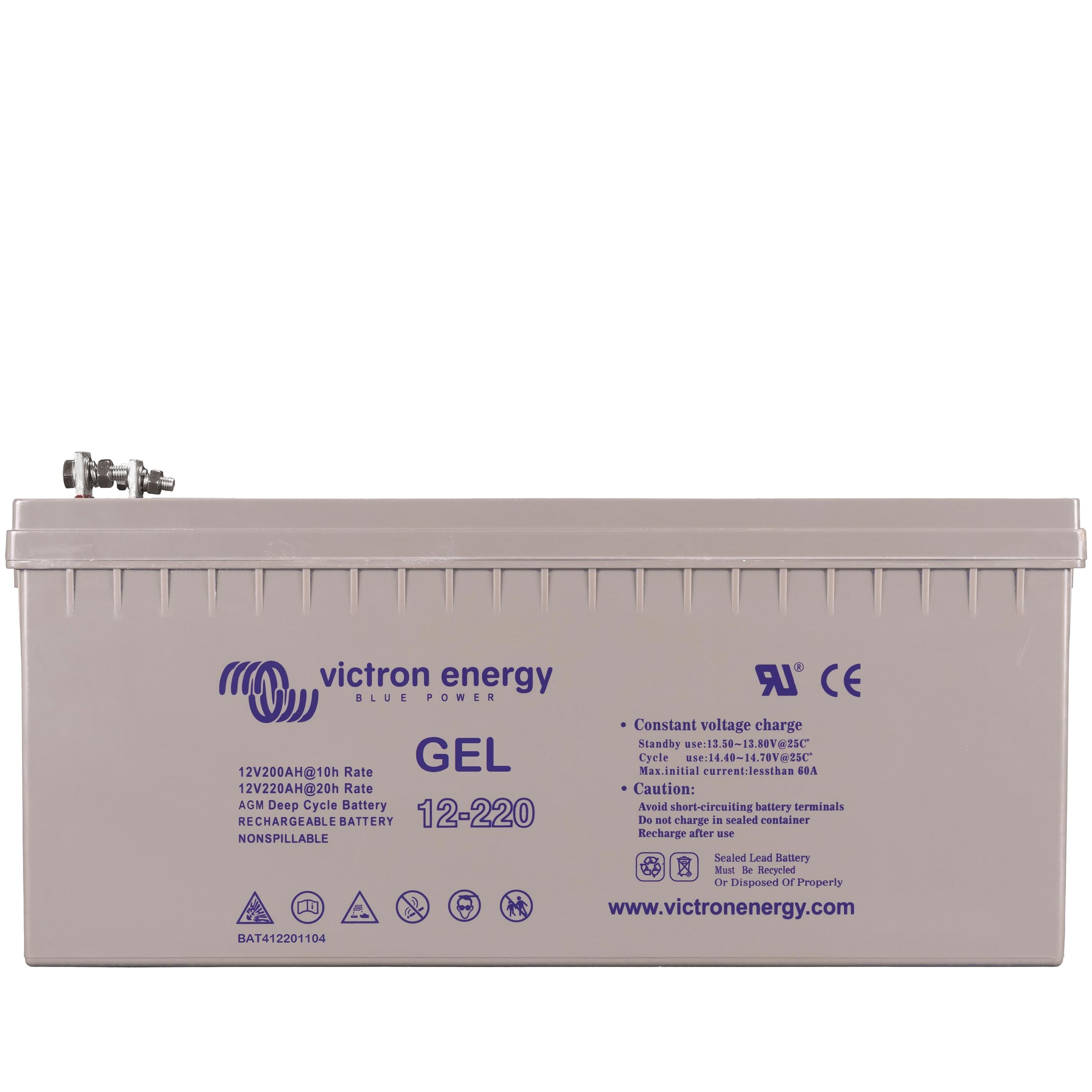
Buy, store, and use energy storage systems at any time
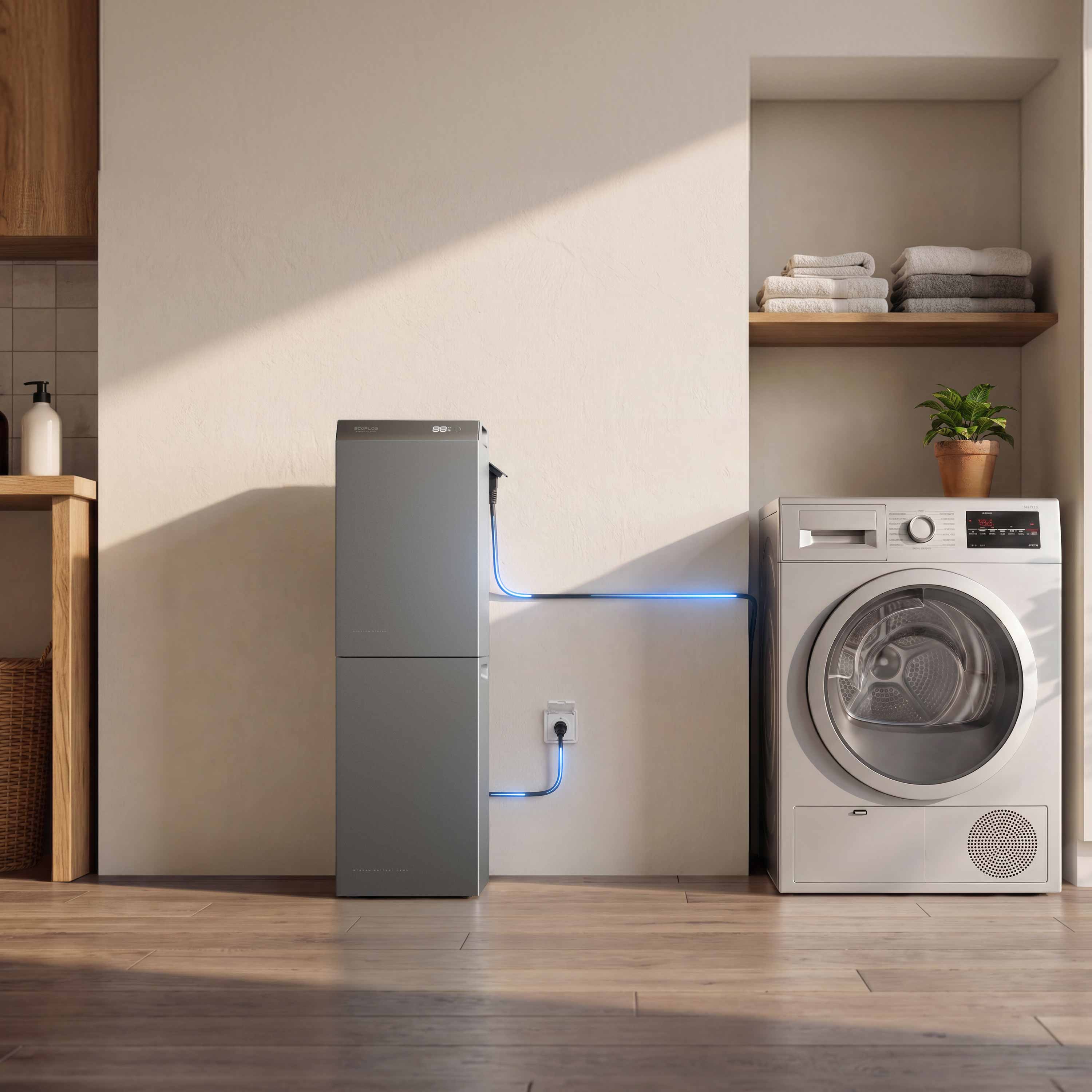
Independence begins with a power storage system . With our solutions, you can use solar energy exactly when you need it – whether at home, camping, or on the go. Discover modern storage solutions for every application: from high-performance home storage systems and compact power stations to flexible 12V batteries for off-grid systems.
Energy storage systems are the heart of any sustainable energy solution. They store excess solar energy from photovoltaic modules and make it available when needed – even long after the sun has set. This not only lowers your electricity costs but also increases your energy independence.
Whether you want to maximize your self-consumption at home, remain self-sufficient in your camper van, or charge your power station – our devices come exclusively from renowned manufacturers. They impress with their durability, high efficiency, and smart features such as app control, UPS function, or solar charging.
Our storage solutions at a glance
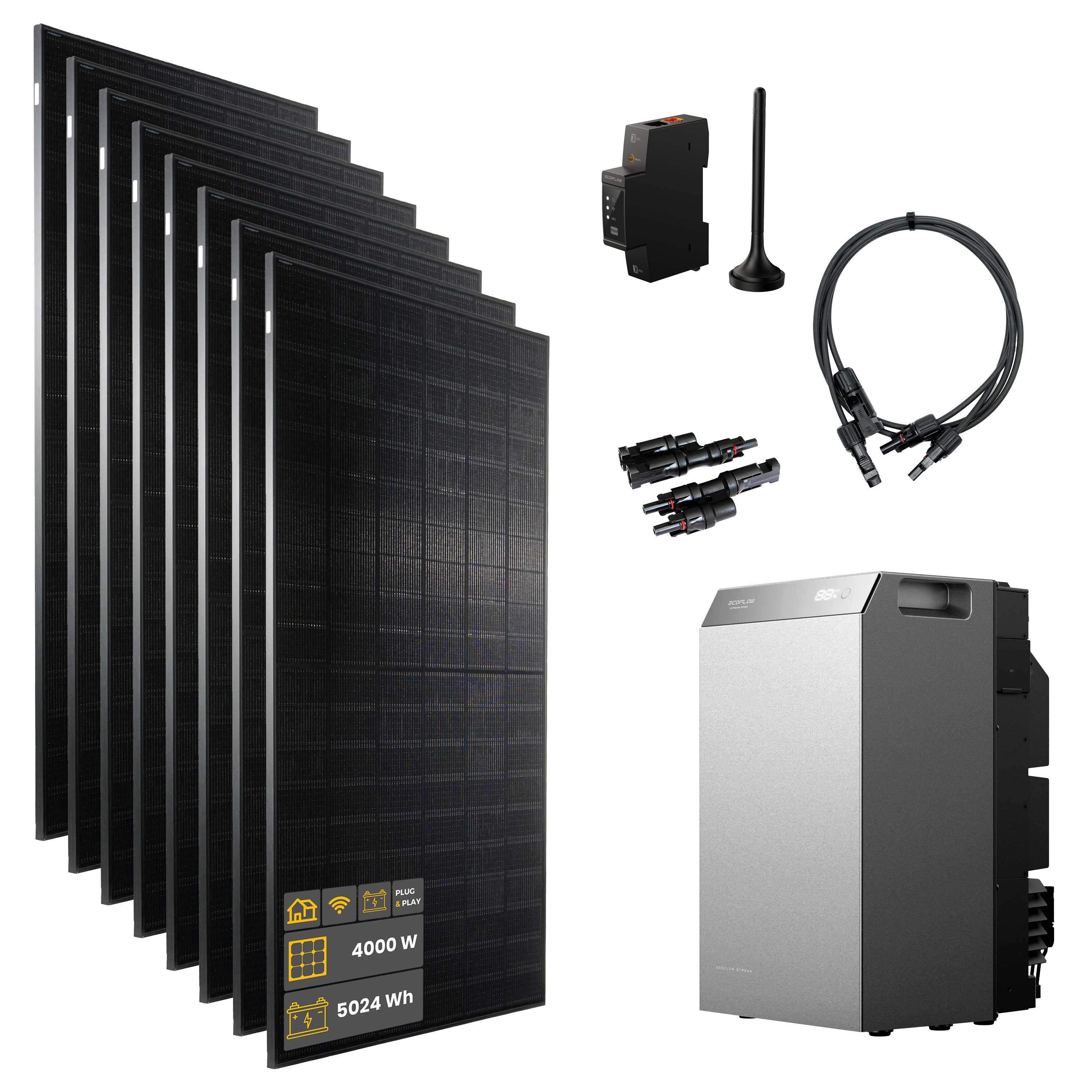
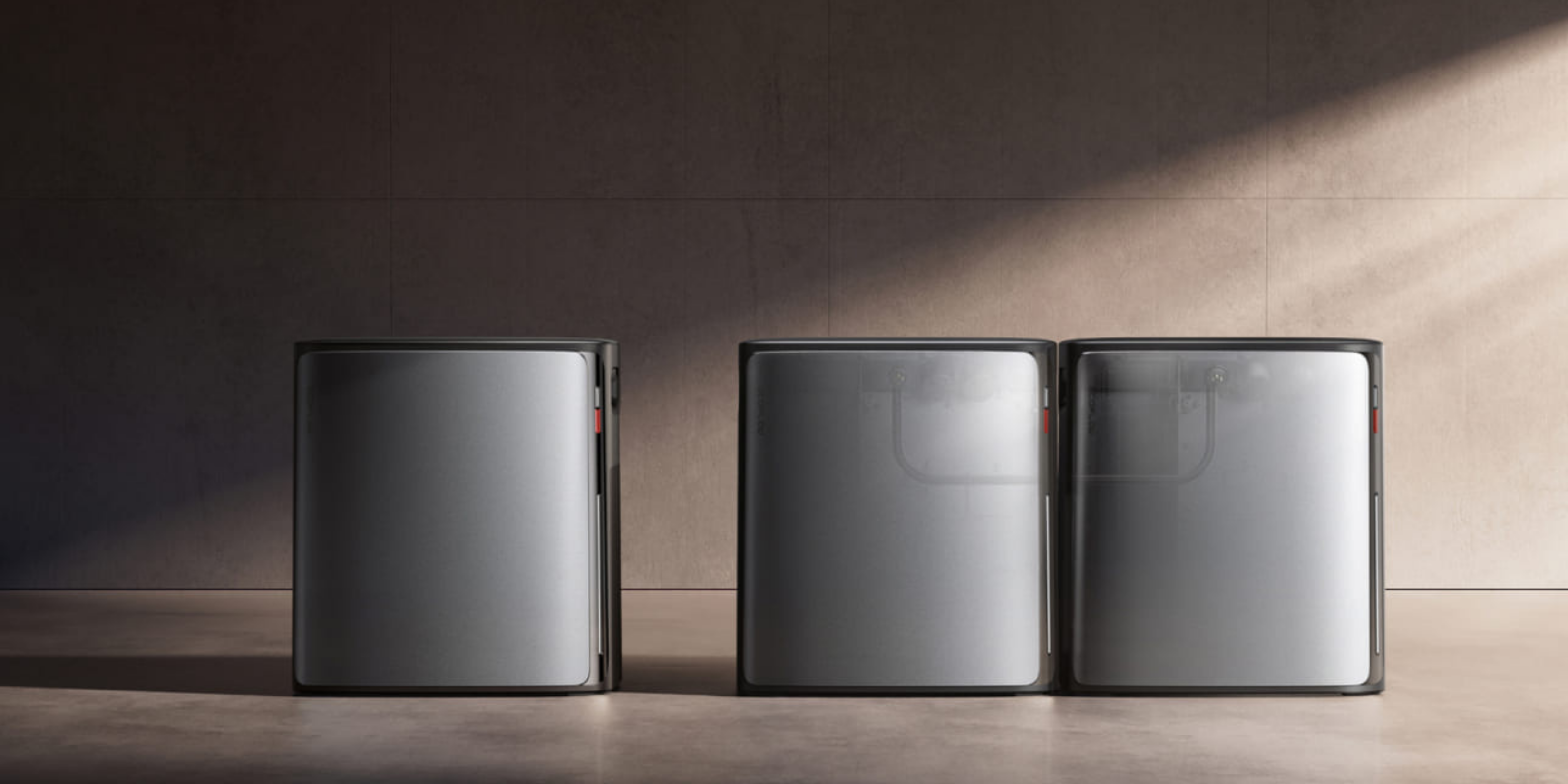
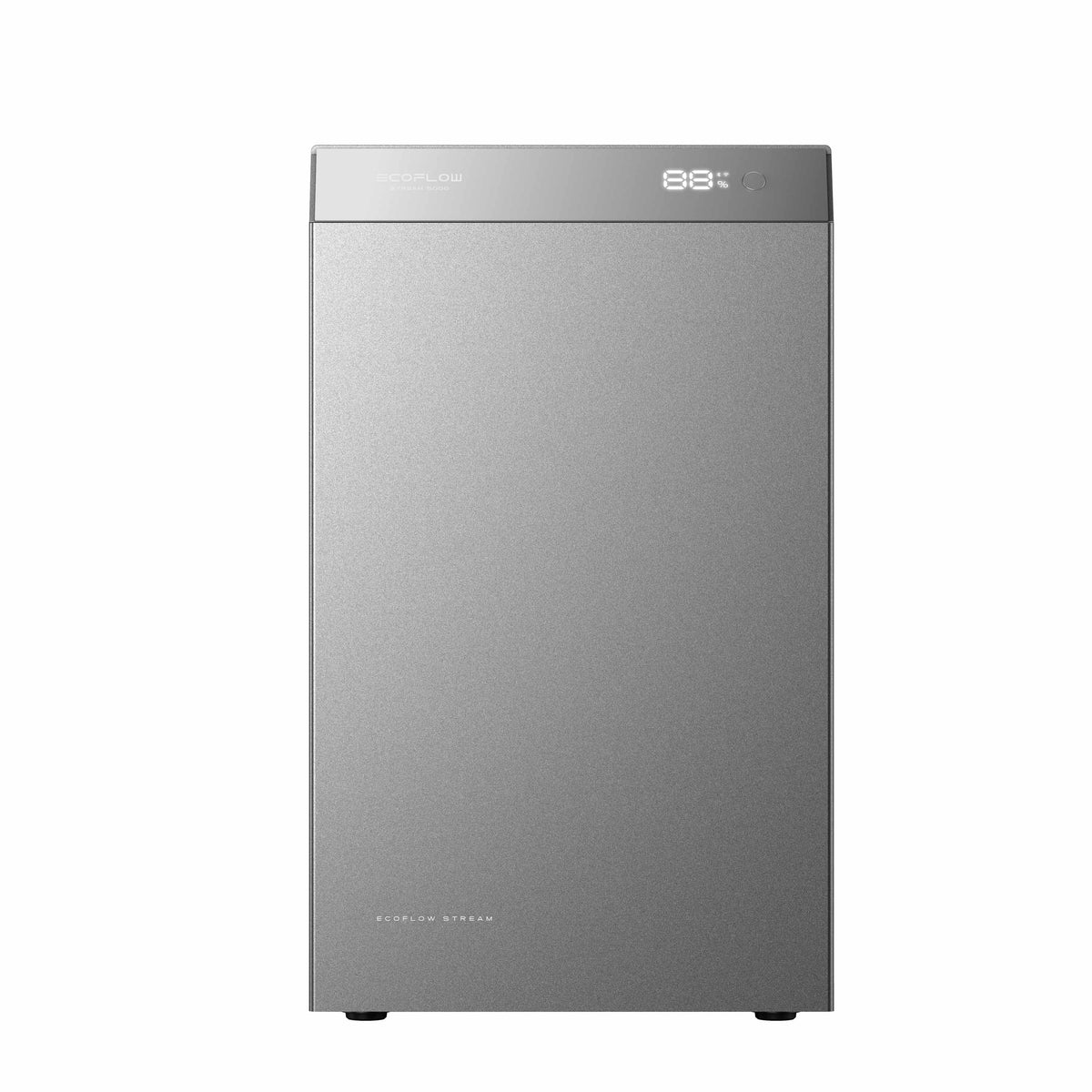
- Home energy storage: Ideal for PV systems, balcony power plants, or as an emergency power solution. Perfect for households that want to get more out of their solar power.
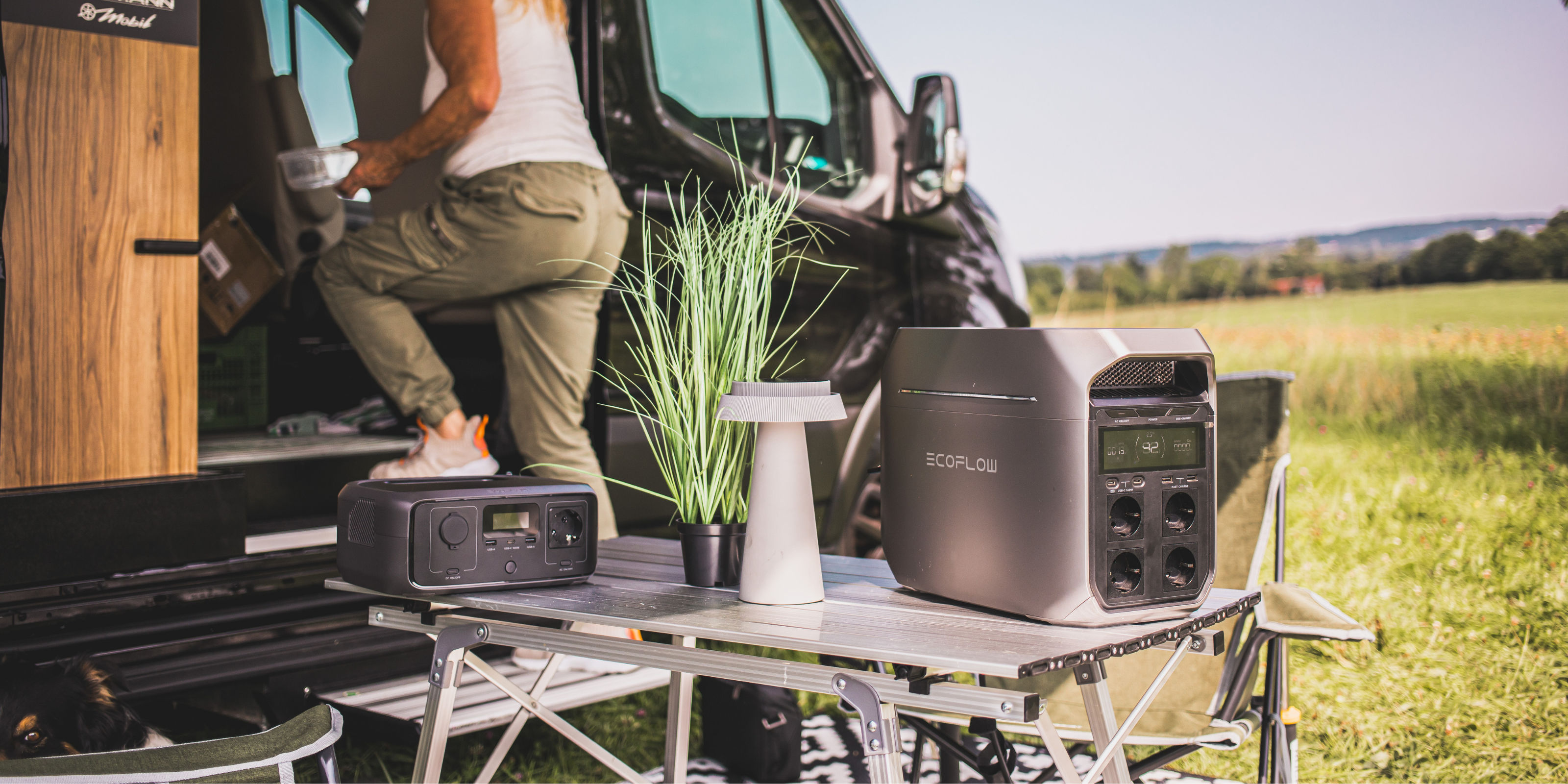
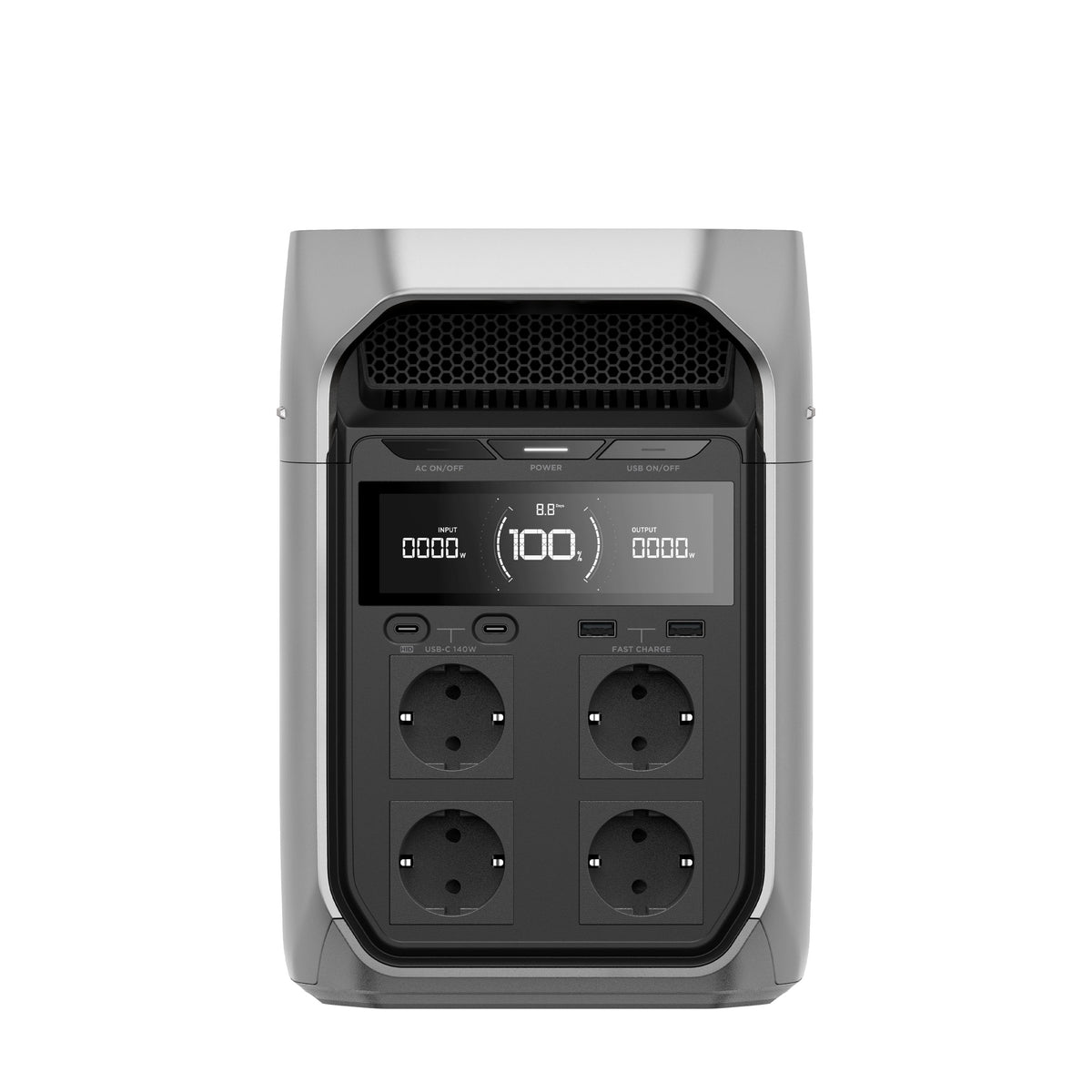
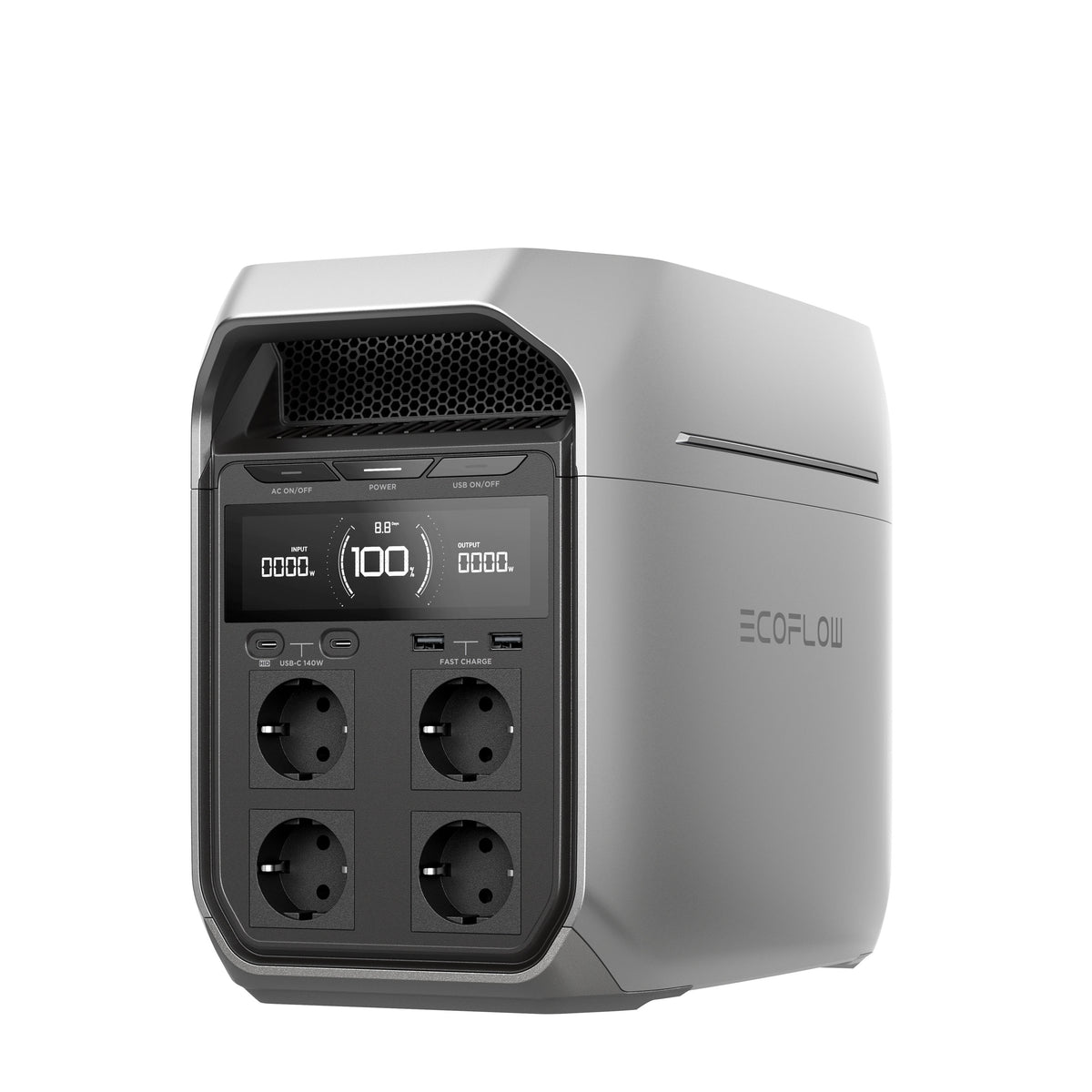
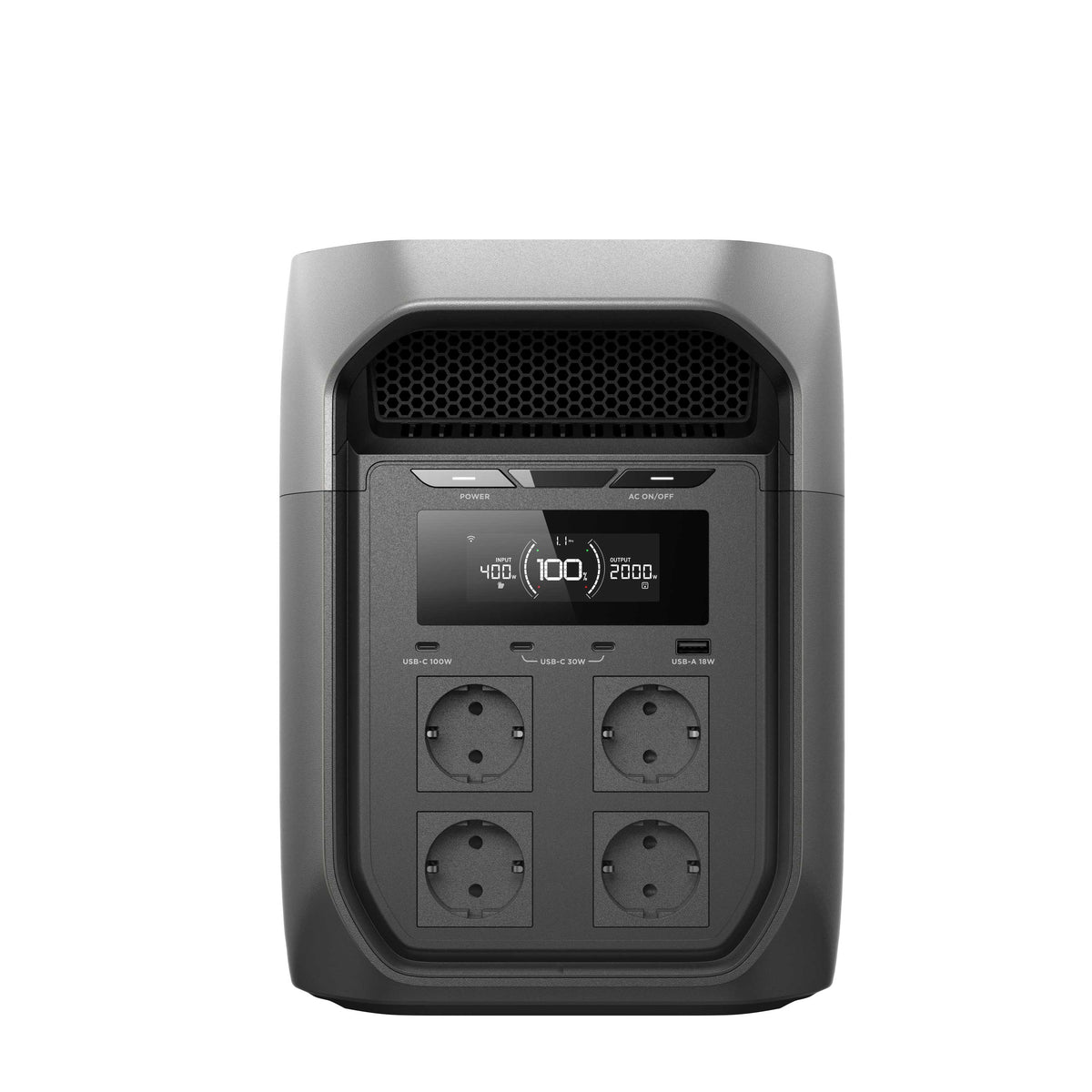
- Power stations: Portable all-in-one storage units with integrated inverter and charging ports. Ideal for camping, outdoor activities, emergency power, or mobile applications.
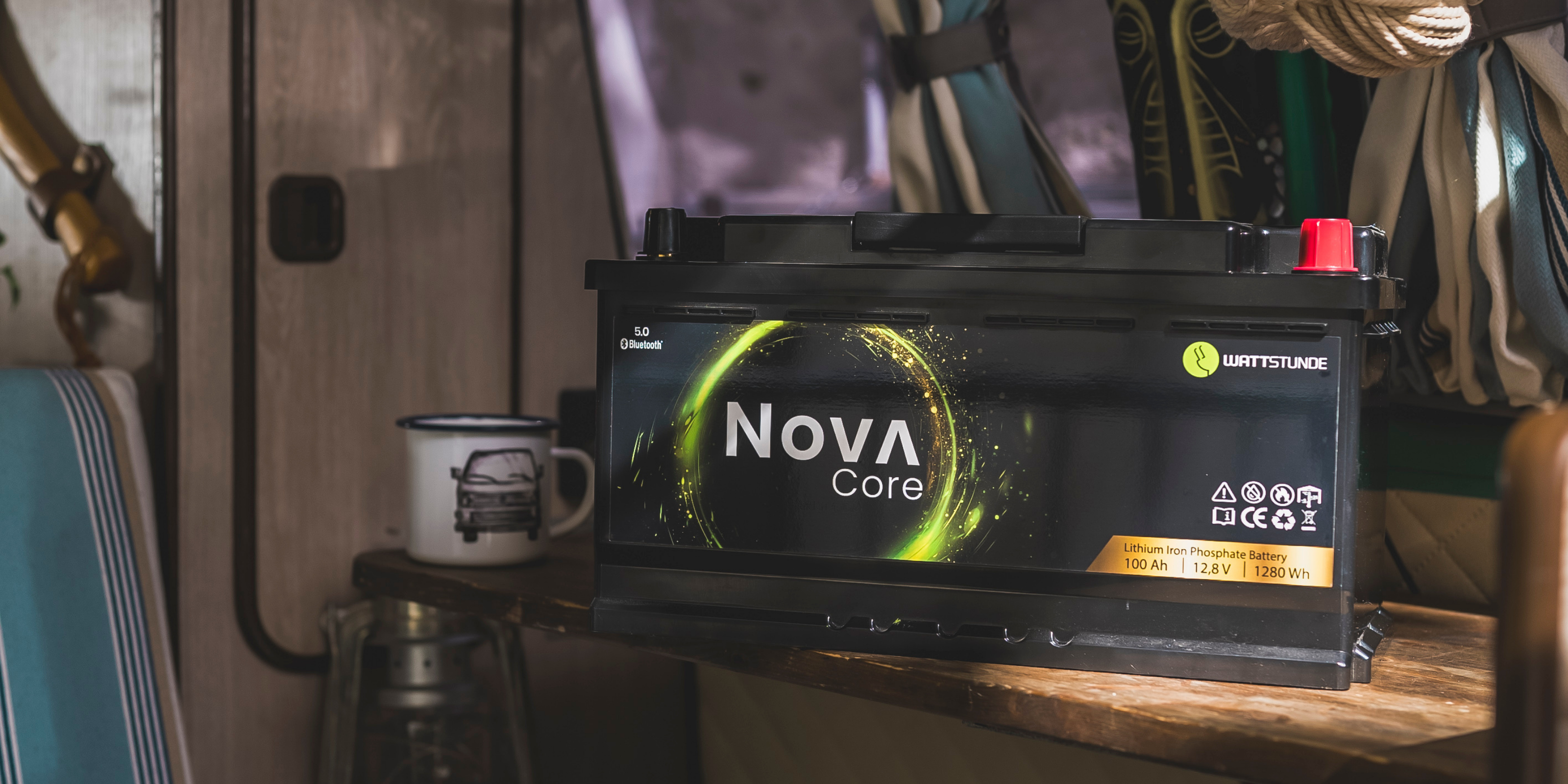
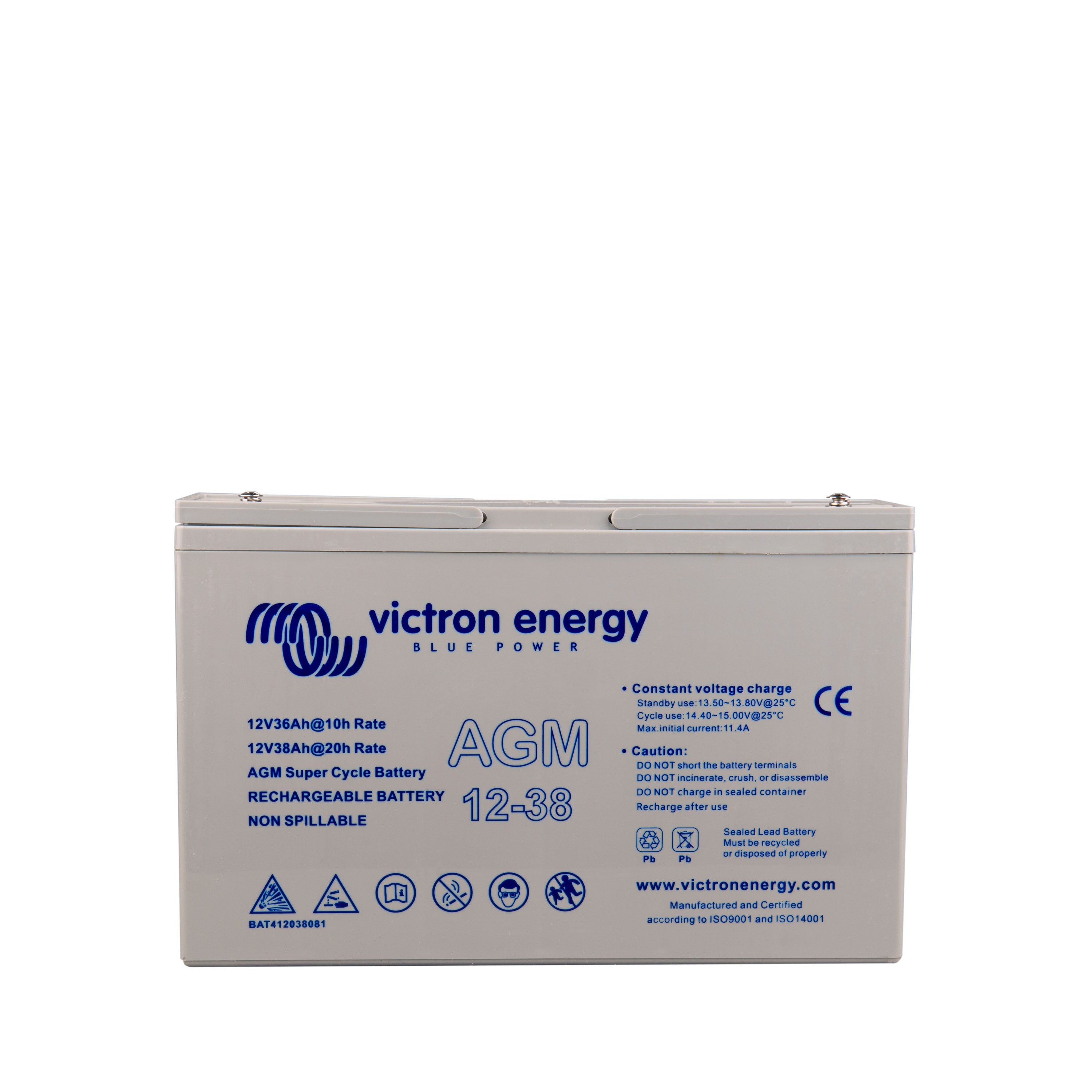
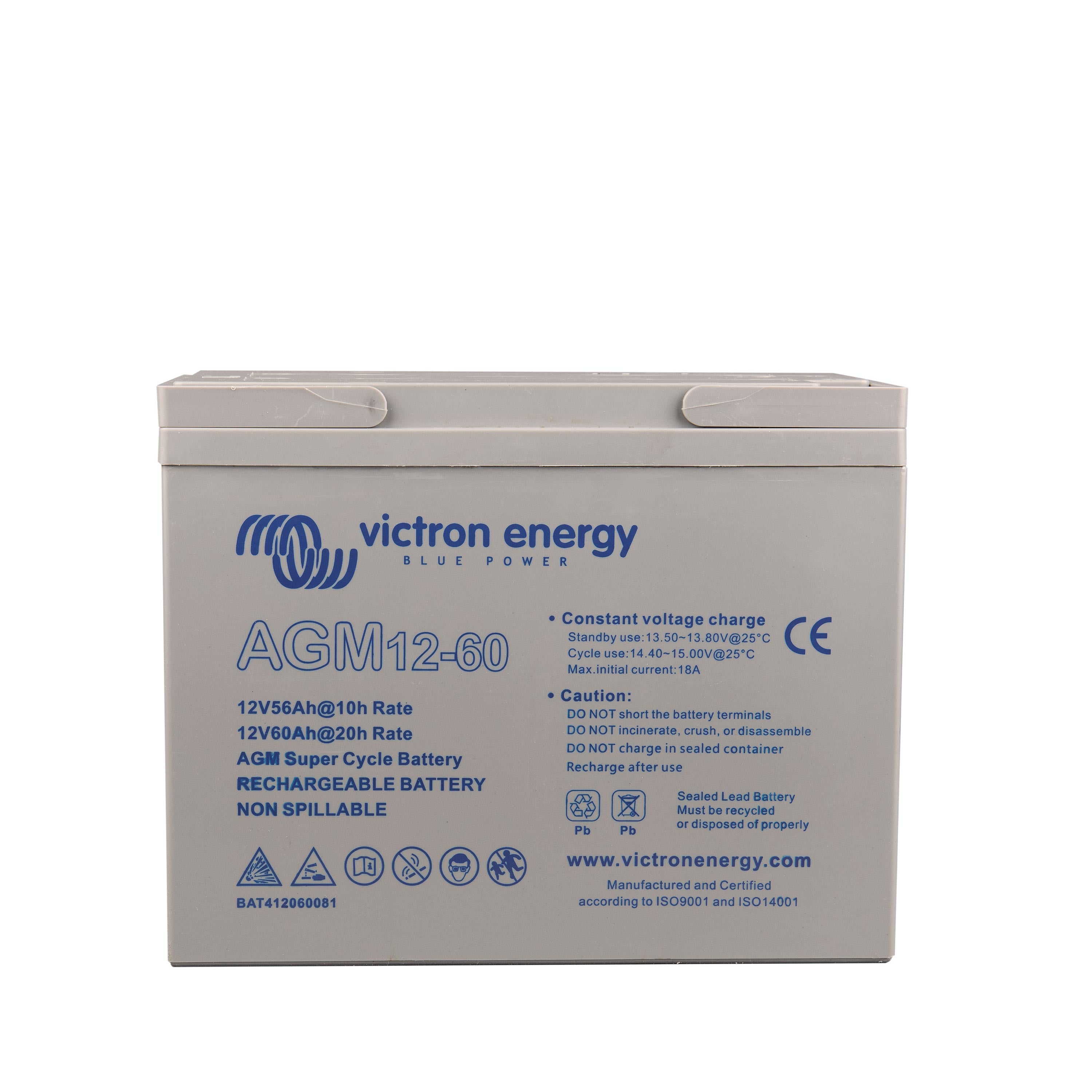
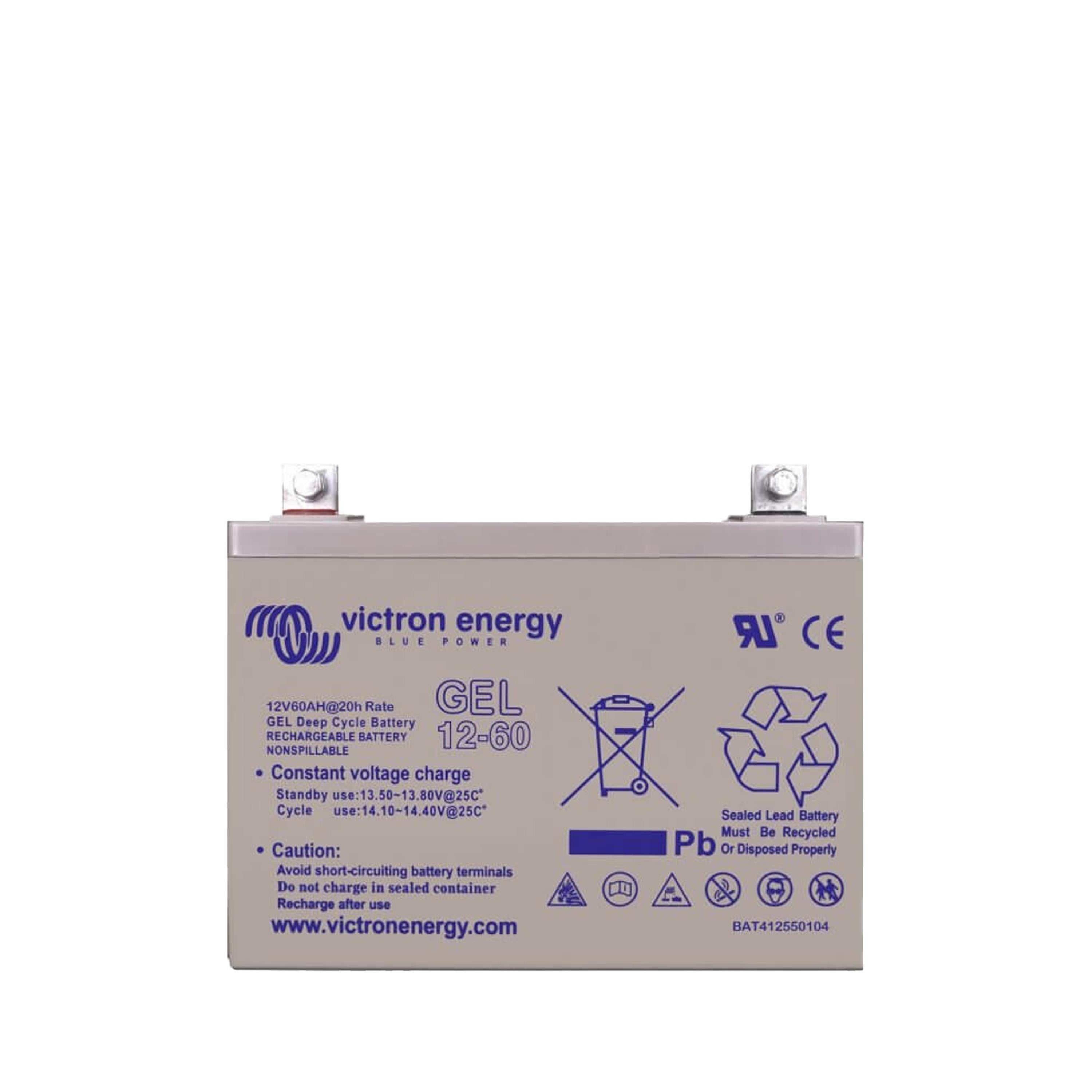
- 12V batteries (AGM/Gel/LiFePO4): For solar systems in the garden, on boats or in off-grid systems. Powerful, robust and low-maintenance.
Your advantages with electricity storage
- Energy when you need it: direct access to stored electricity.
- Maximum independence: usable at home and on the go.
- Compatible with solar power: ideal for PV systems, balcony power plants and off-grid systems.
- Durable and safe: modern LiFePO4 technology and quality brands.
- Flexibly expandable: many systems are scalable and combinable.
Personal advice and support
Are you unsure whether a power station , home storage system , or battery is right for your setup? No problem: We'll advise you individually and find the optimal storage solution together – from entry-level to professional systems.
Discover energy storage systems now and become more independent with solar power!
FAQ | 9 frequently asked questions about energy storage
What is an energy storage device and how does it work?
A power storage system, often also called a battery storage system, stores the direct current (DC) generated by solar panels and releases it when needed. This allows you to use energy even when the sun isn't shining. The storage system usually consists of lithium or LiFePO4 cells, a battery management system (BMS), and a charge/discharge controller.
What types of electricity storage systems are there?
The main distinction is between batteries, power stations, and home storage systems. Batteries, such as LiFePO4, AGM, or classic lithium models, are ideal for motorhomes, boats, or off-grid solar systems. Power stations are compact, complete solutions with an integrated inverter and are particularly suitable for mobile applications such as camping or emergency power supply. Home storage systems are stationary systems that, in conjunction with a photovoltaic system, optimize self-consumption of electricity in the home.
What is the difference between LiFePO4, AGM and lithium batteries?
That depends on your energy needs. Storage capacities of approximately 3–10 kWh are typical for households, while for camping and outdoor activities, storage capacities of 500 Wh to 2,000 Wh are usually required. We're happy to help you calculate your needs.
How large should my battery storage system be?
The ideal size depends on the intended use. For motorhomes and camping, 100 to 200 Ah is usually sufficient to reliably power lights, a cool box, and electronics. Garden sheds or off-grid systems often use 200 to 400 Ah. For home storage systems, capacities between five and fifteen kilowatt-hours are recommended, depending on the solar array. Generally, it's advisable to plan for a reserve of about twenty percent to prevent deep discharge.
Can I combine energy storage systems?
Many systems can be expanded modularly or connected in parallel. This allows the capacity to be easily increased as energy demands rise. It is important that the voltage, cell chemistry, and battery type are compatible. For larger expansions, the control unit or battery management system should always be taken into account.
What should be considered when connecting a battery storage system?
When connecting the system, cable cross-section, fuse rating, and circuit breaker must be precisely matched. AGM batteries require adequate ventilation, while LiFePO4 storage systems can usually be operated in sealed, maintenance-free environments. For larger systems, professional installation is recommended to ensure safe integration into the system of solar modules, inverter, and charge controller.
How long do energy storage systems last?
Battery lifespan depends heavily on the battery type and usage. LiFePO4 batteries typically achieve three to six thousand charge cycles and thus often last more than ten years. AGM batteries manage approximately five hundred to eight hundred cycles, while power stations, depending on their quality, achieve between eight hundred and two thousand cycles. Temperature, charging profile, and depth of discharge also have a significant impact on lifespan.
Can I live completely self-sufficiently with a power storage system?
With a sufficiently sized storage system, suitable solar panels, and the right system technology, complete energy independence is certainly possible. However, for many applications, a partially self-sufficient system is sufficient, significantly reducing grid electricity consumption and offering greater independence. Especially in the motorhome and camping sectors, energy independence with storage systems is now easily achievable.
Which electricity storage systems does Solarkontor recommend?
For off-grid systems and motorhomes, we recommend LiFePO4 batteries, as they are particularly safe and durable. Power stations are ideal for camping and flexible use, while home storage systems are the best solution for long-term self-sufficiency in residential PV systems. All energy storage systems offered by Solarkontor are tested for efficiency, safety, and reliability.
