
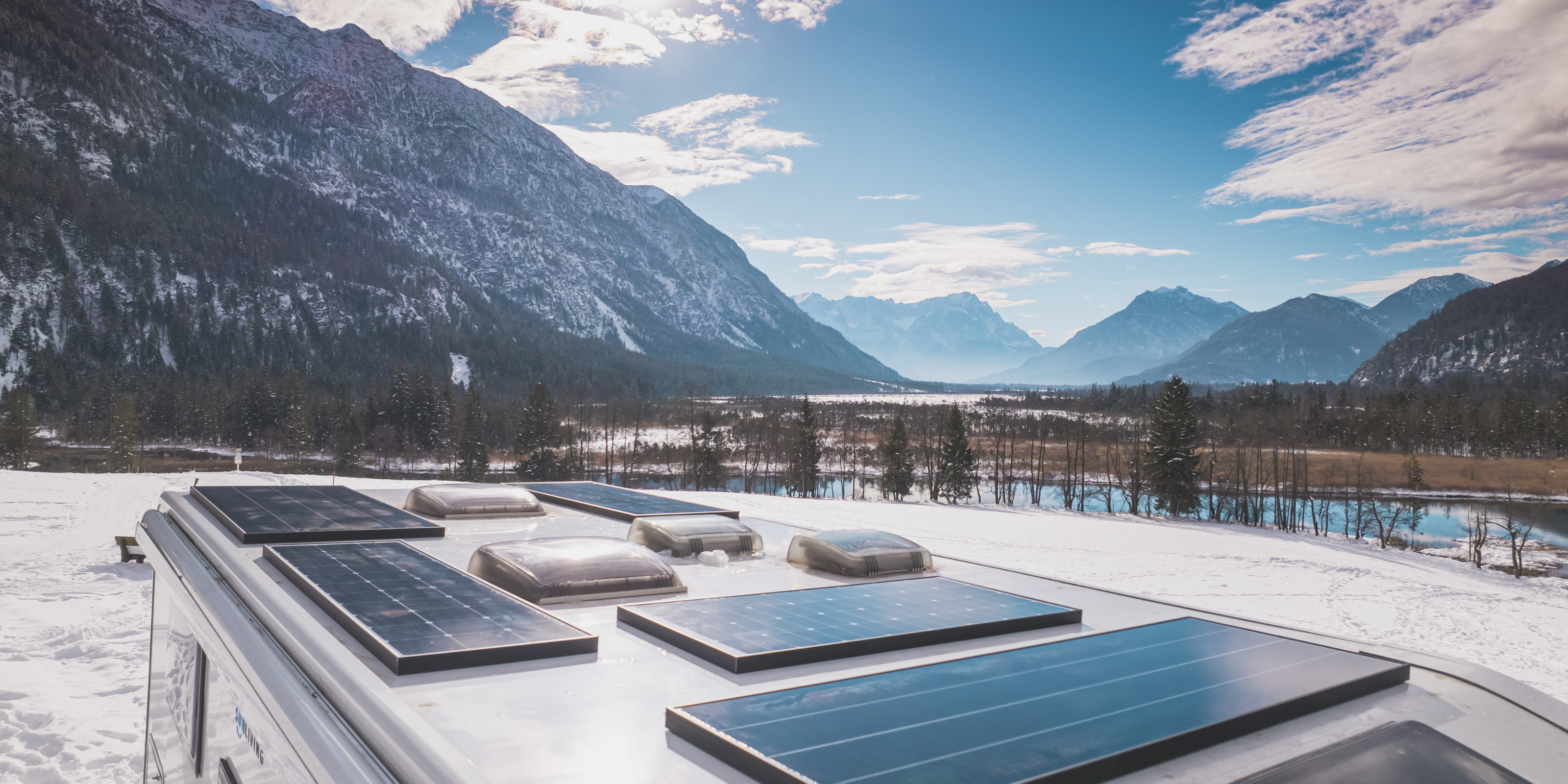
Framed solar modules
Filters
46 products
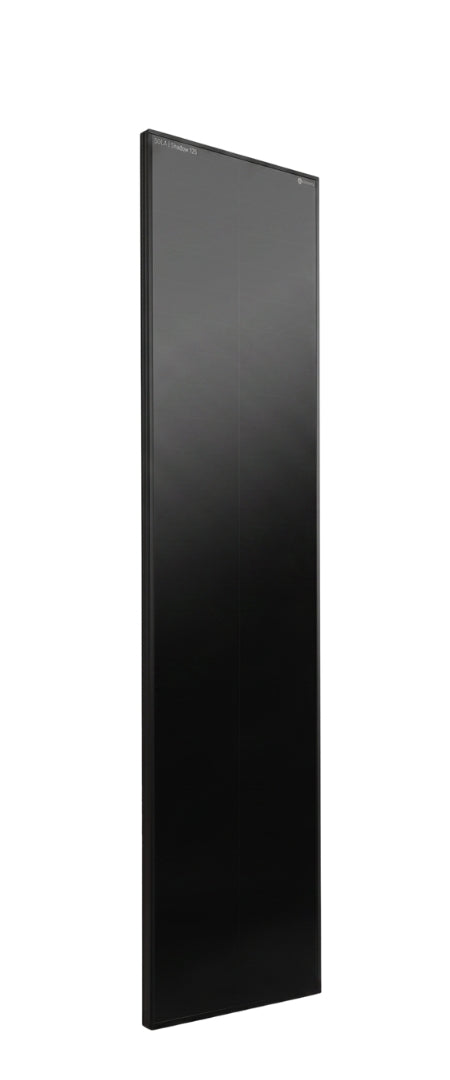
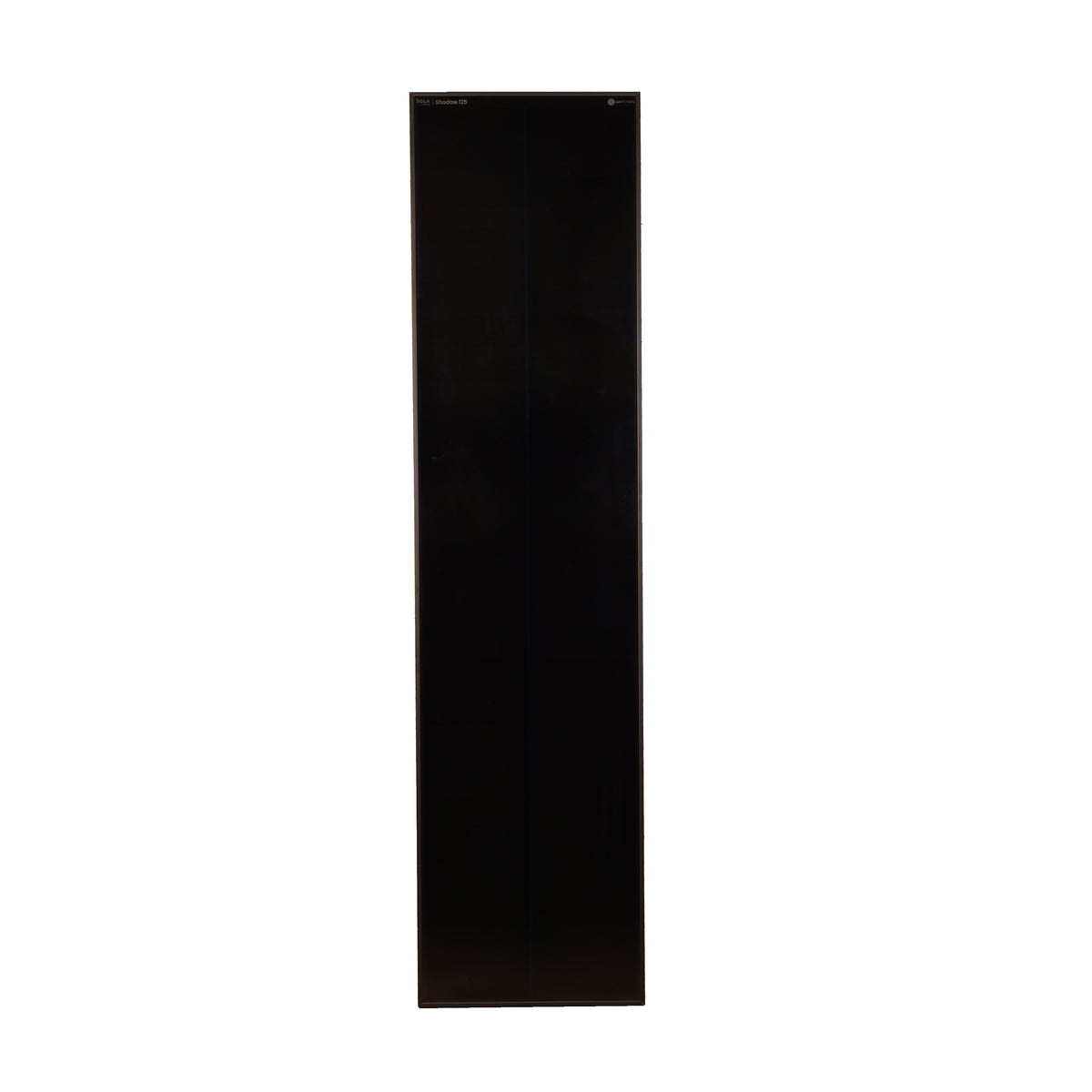
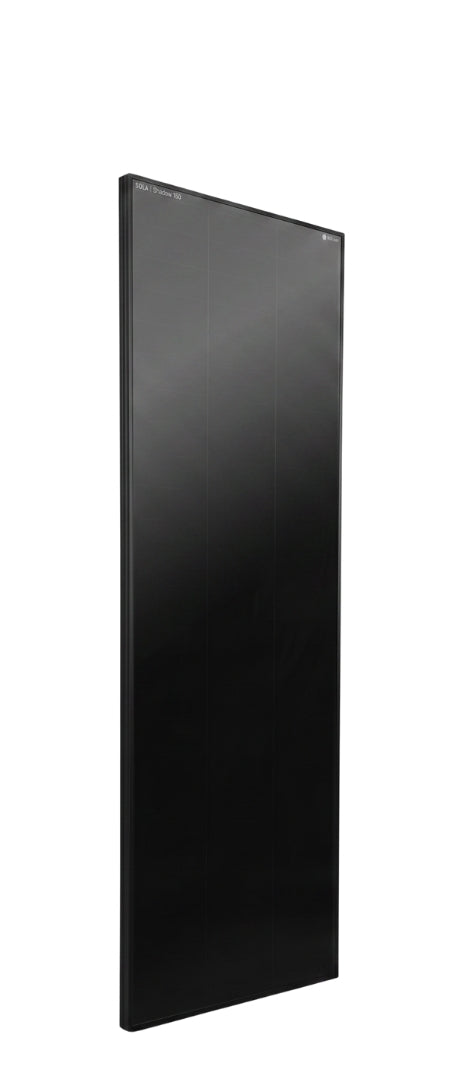
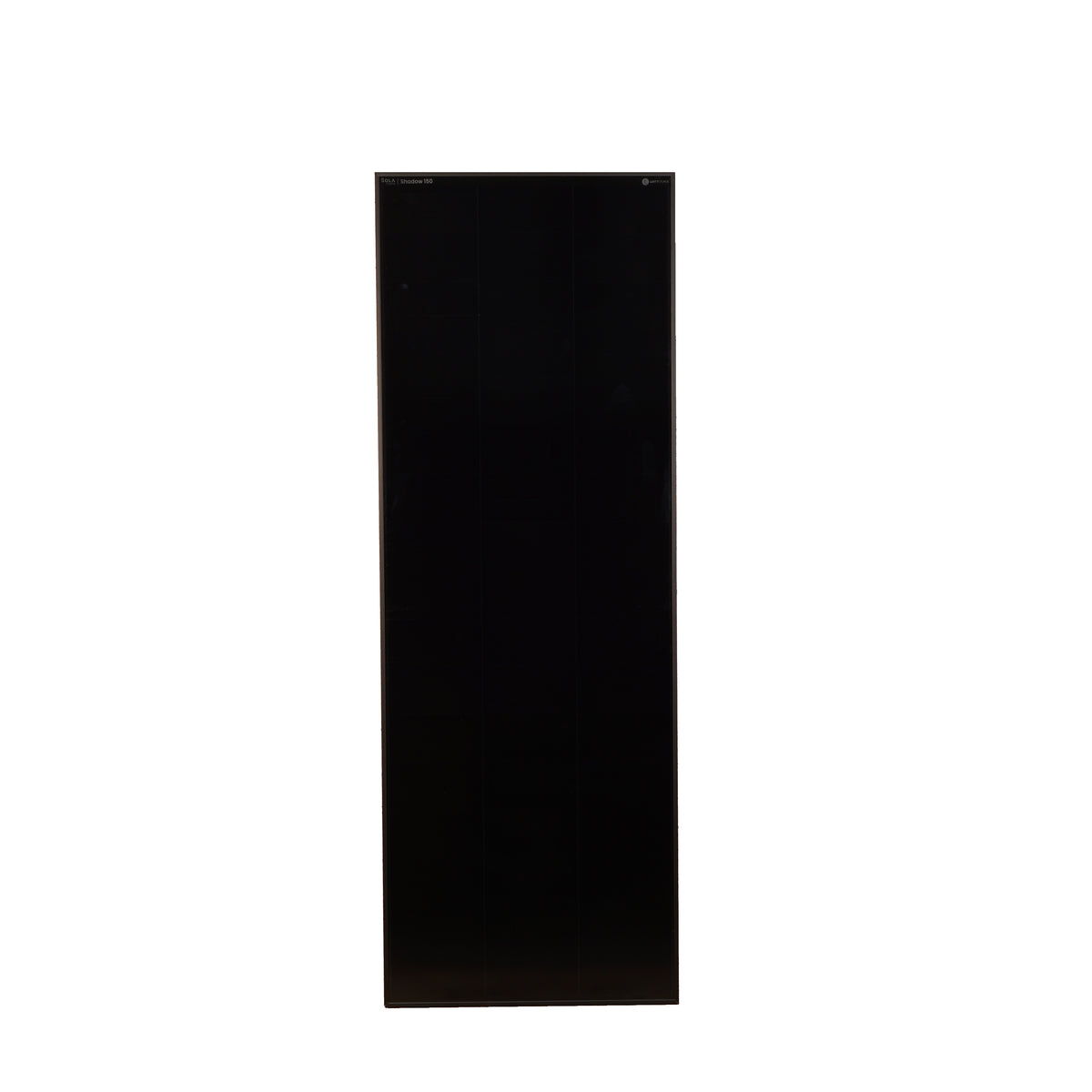
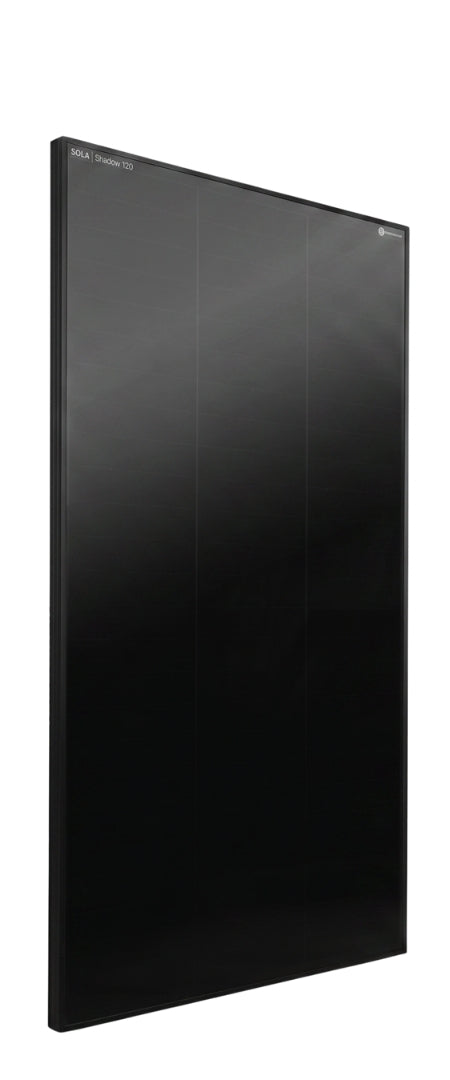
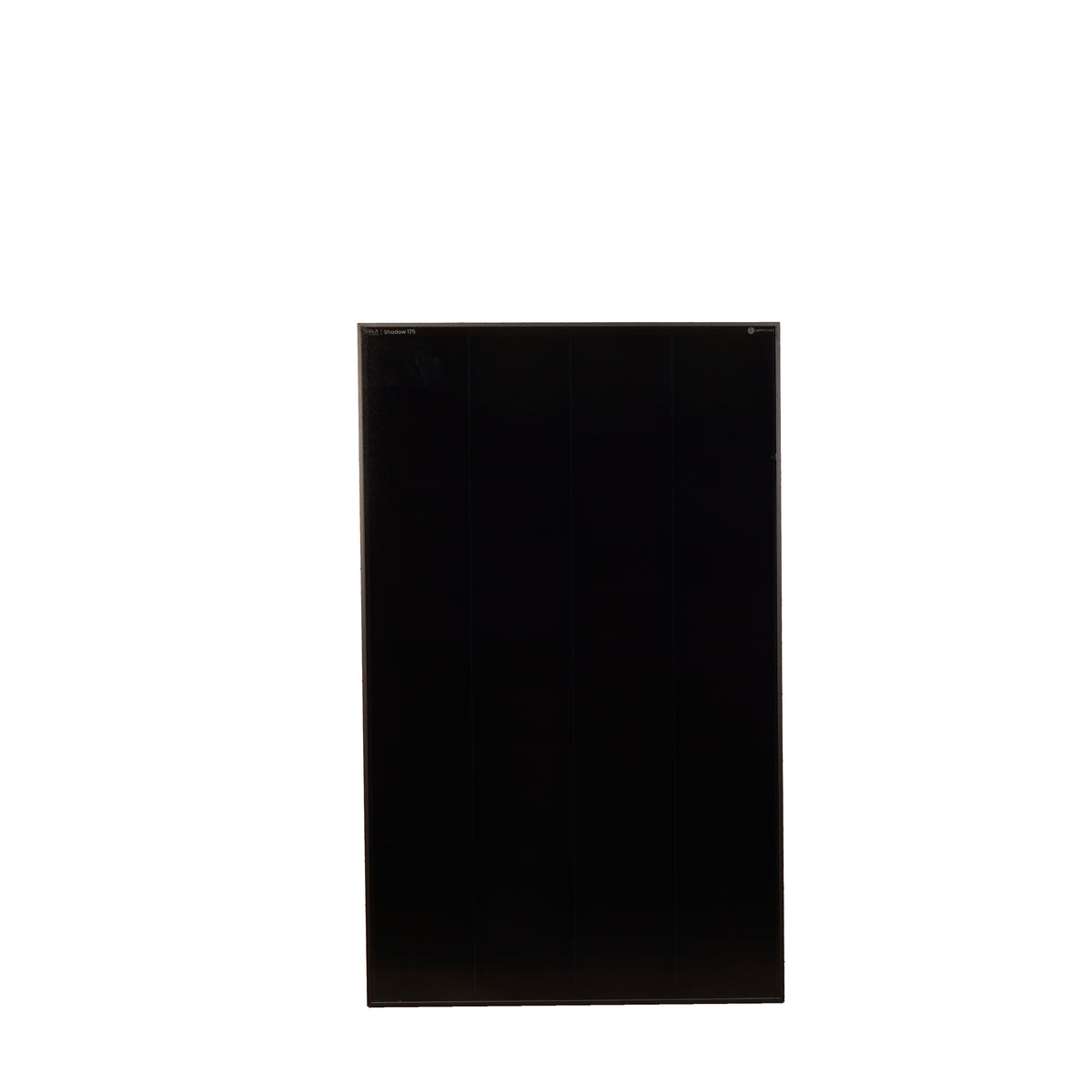
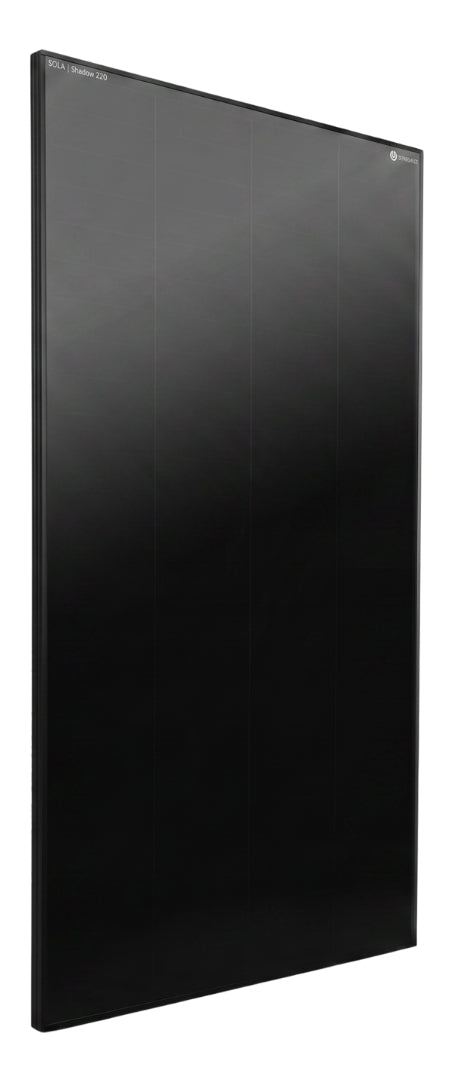
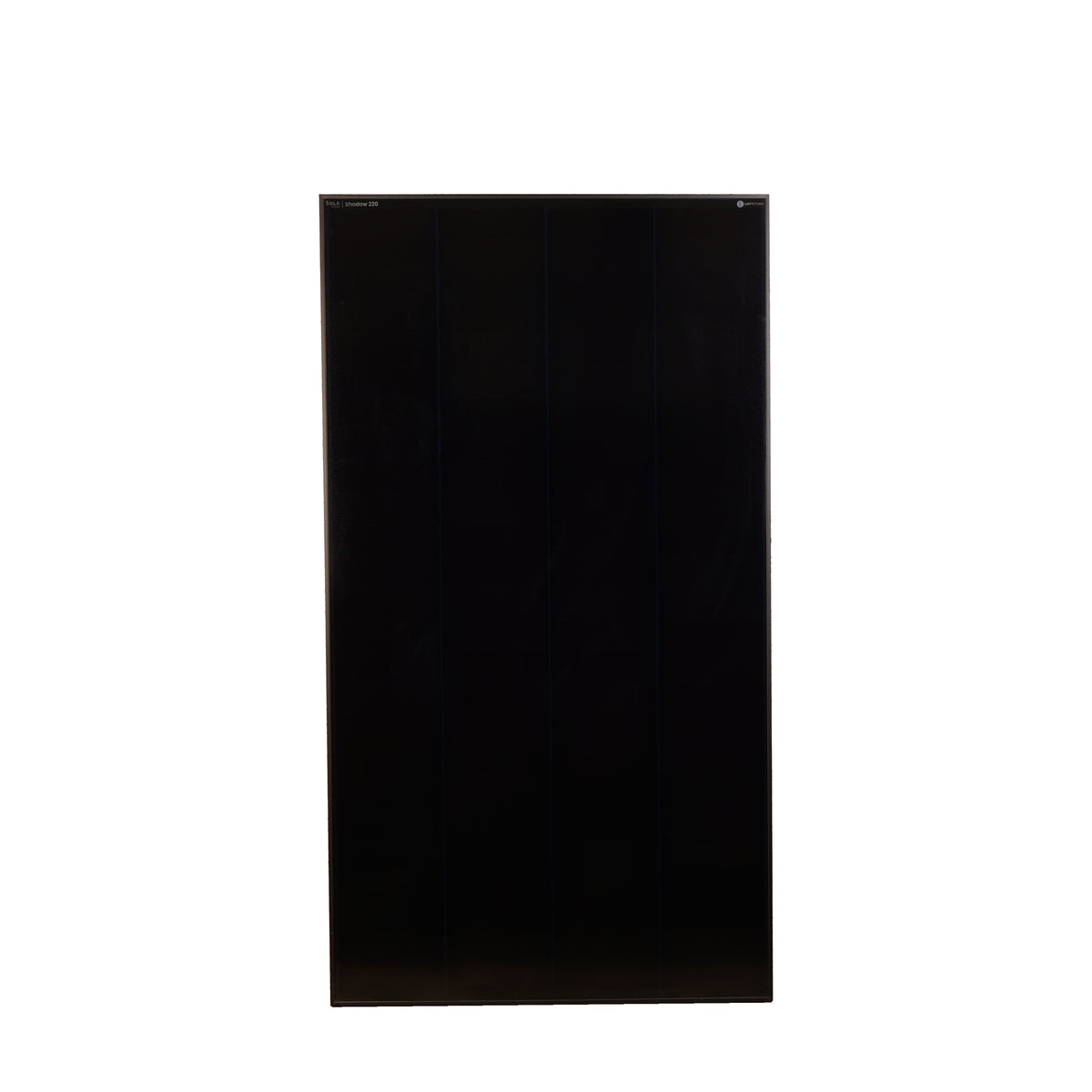
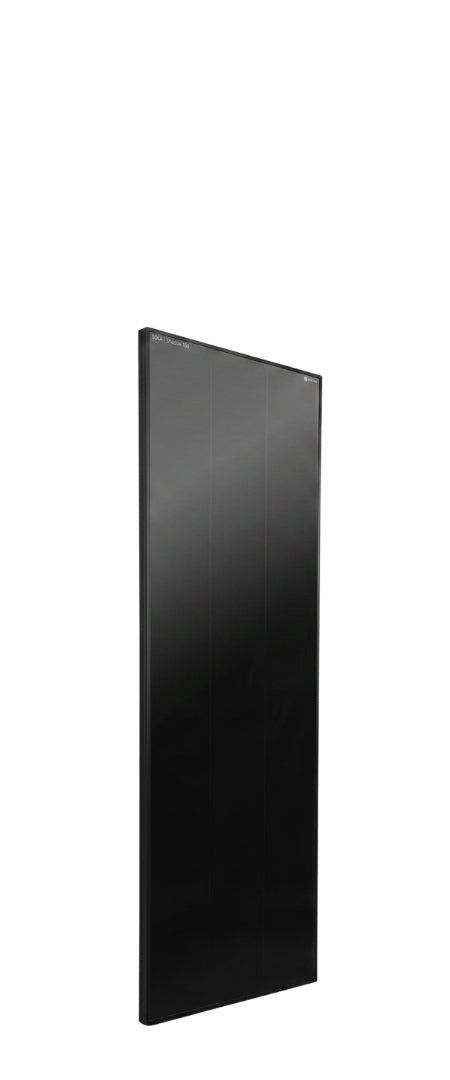
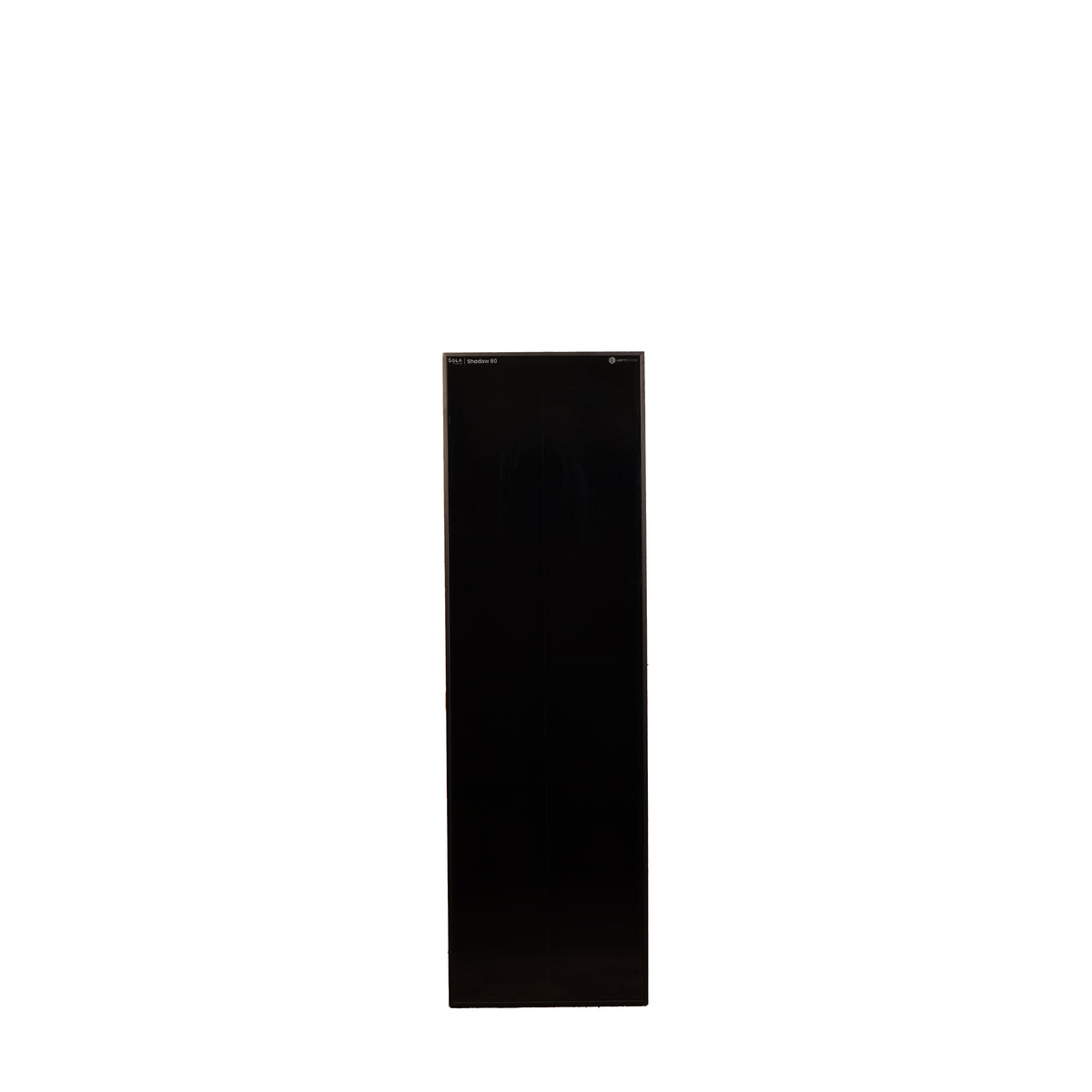
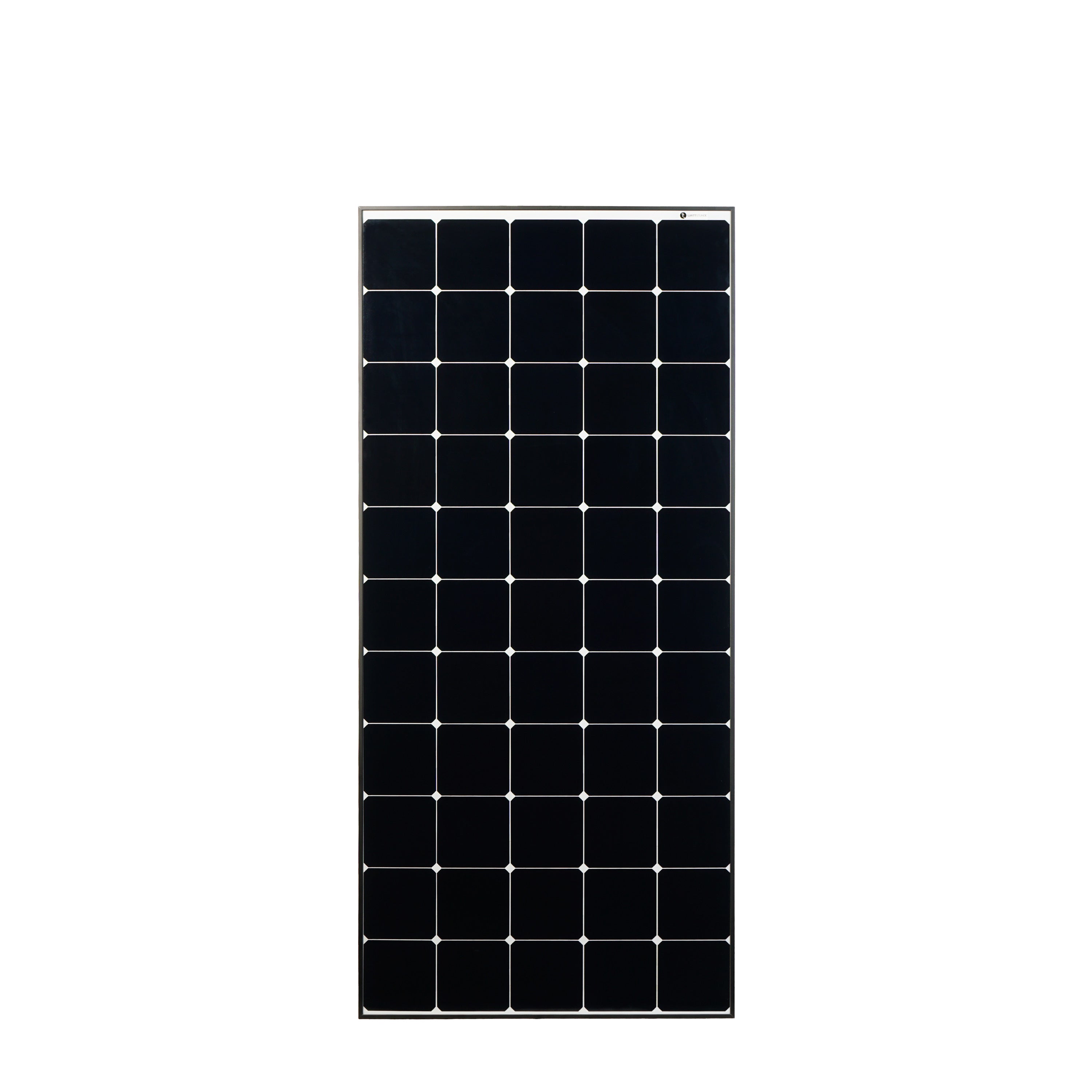
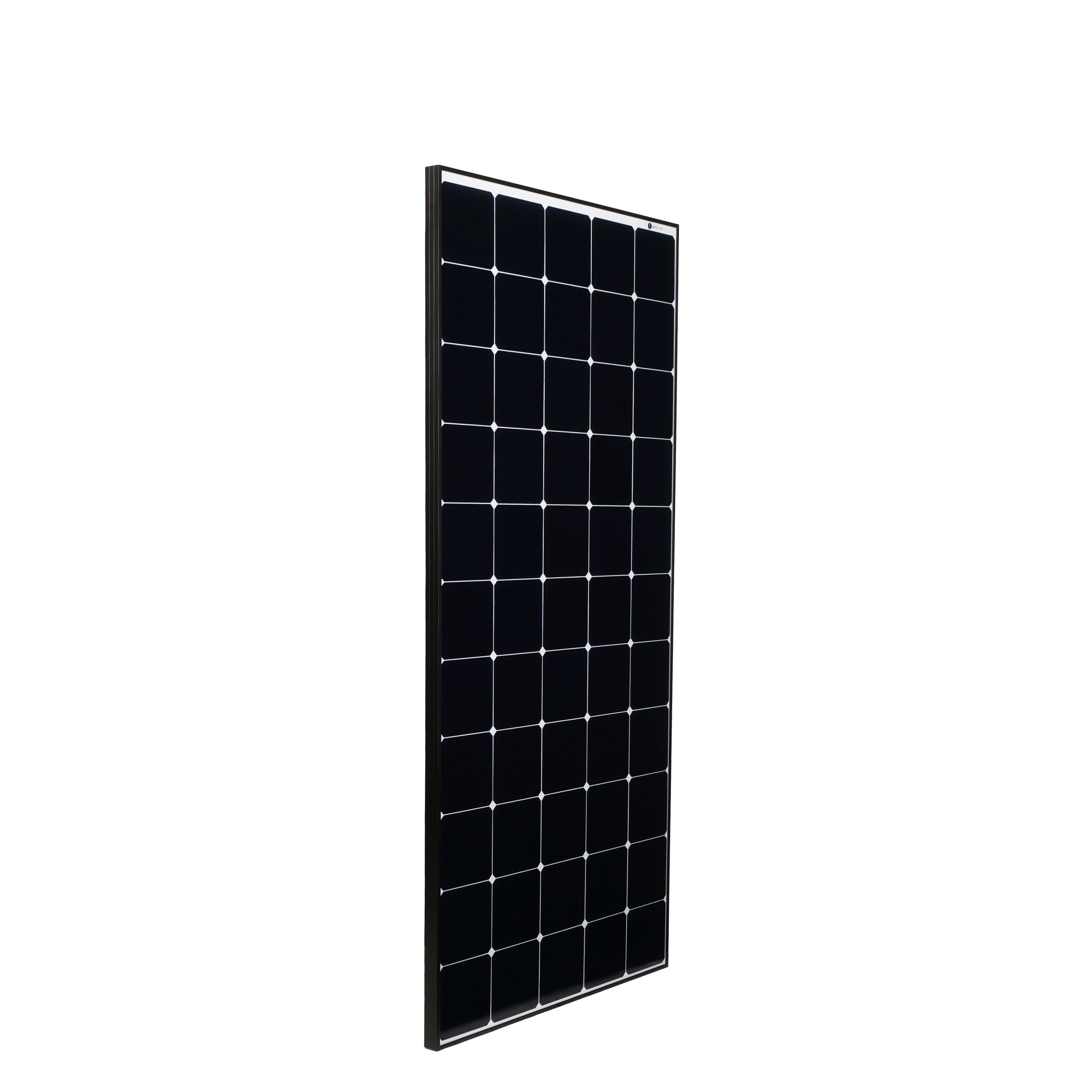


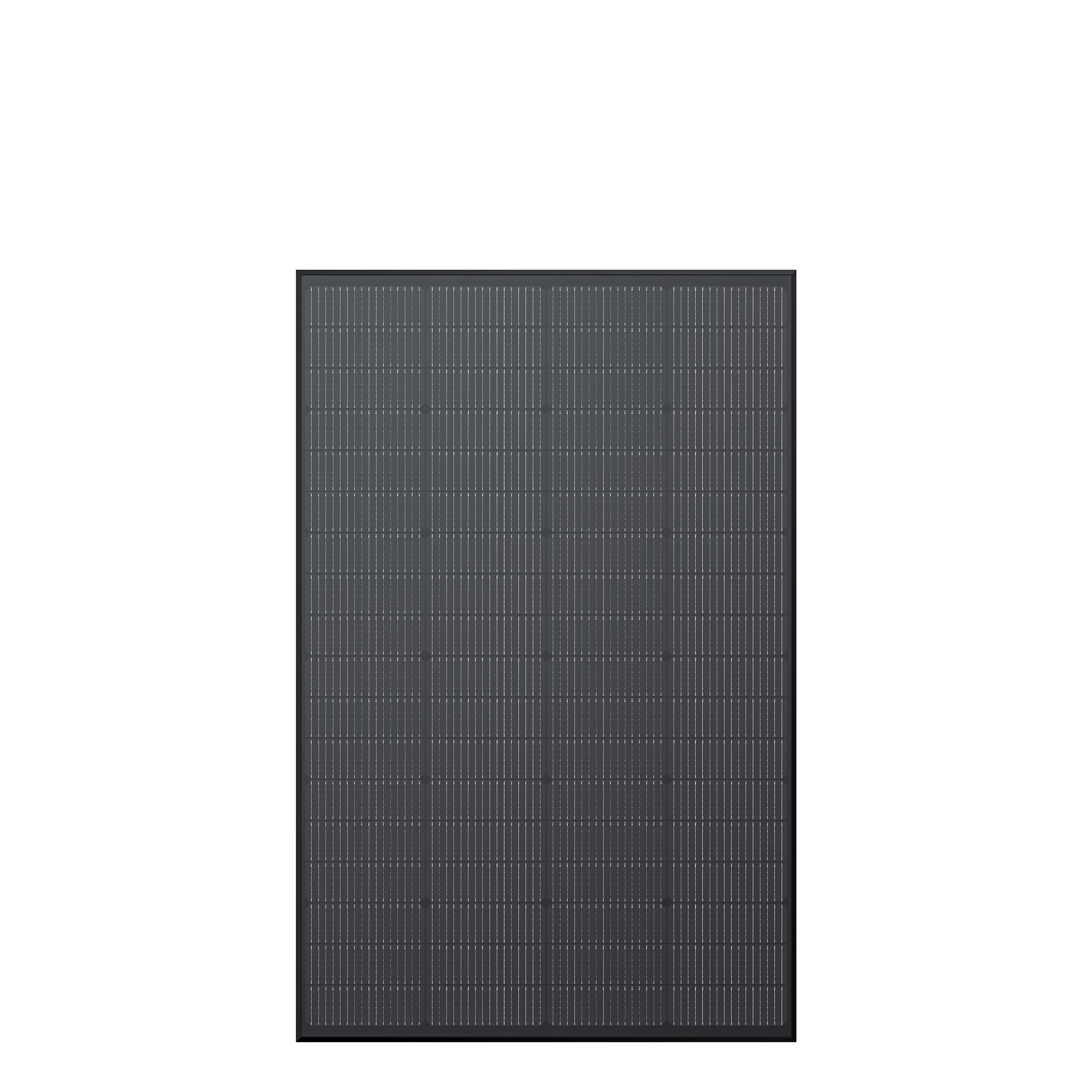
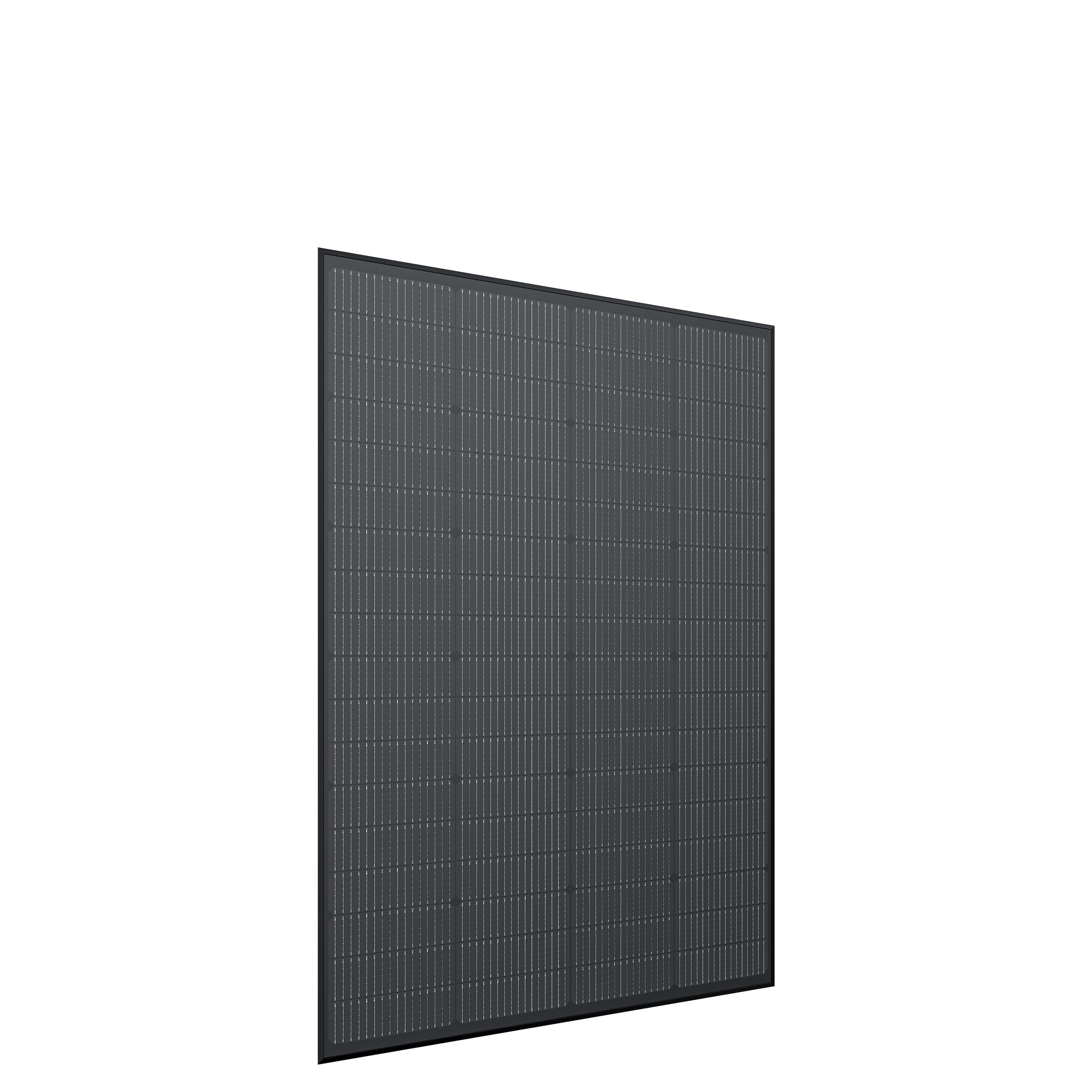
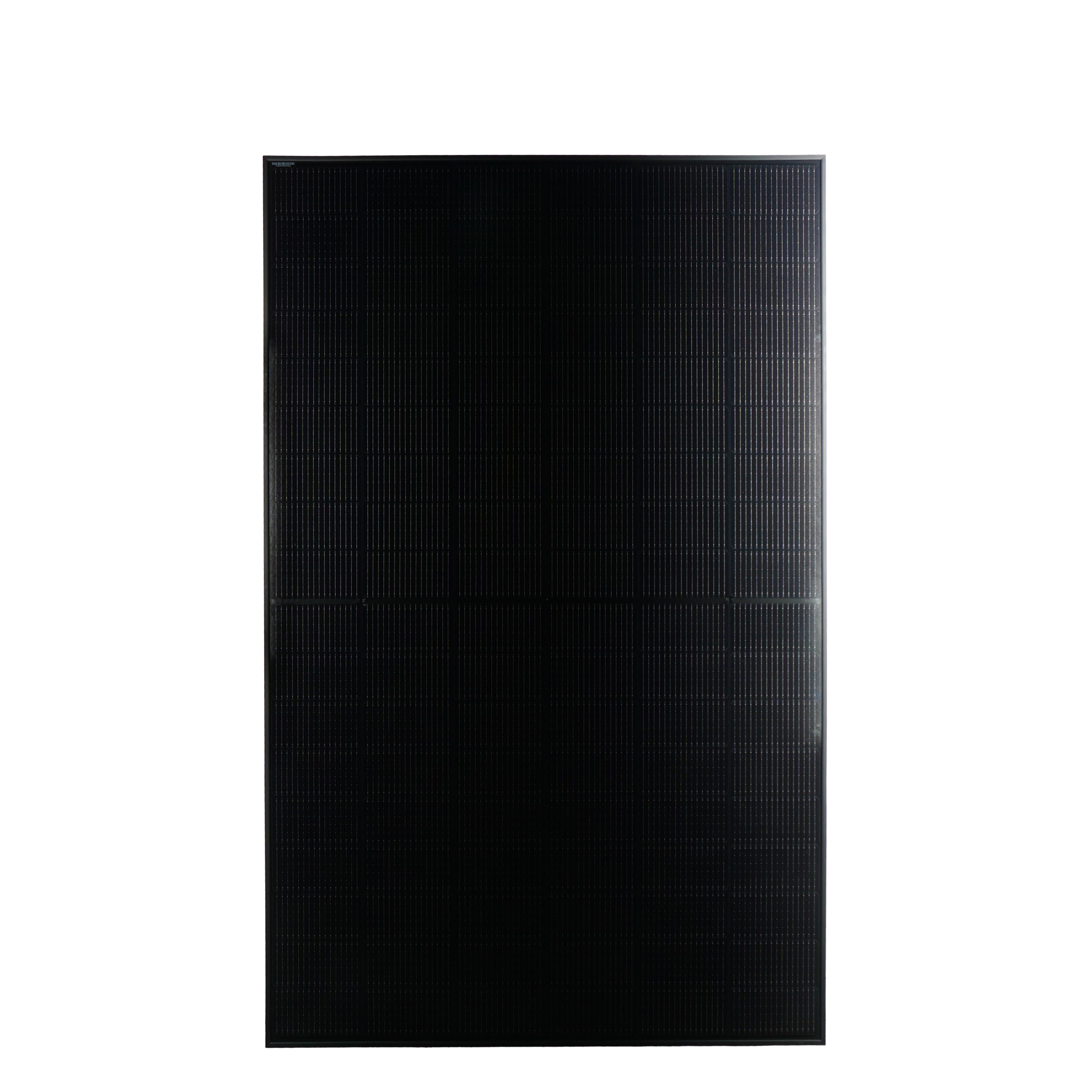

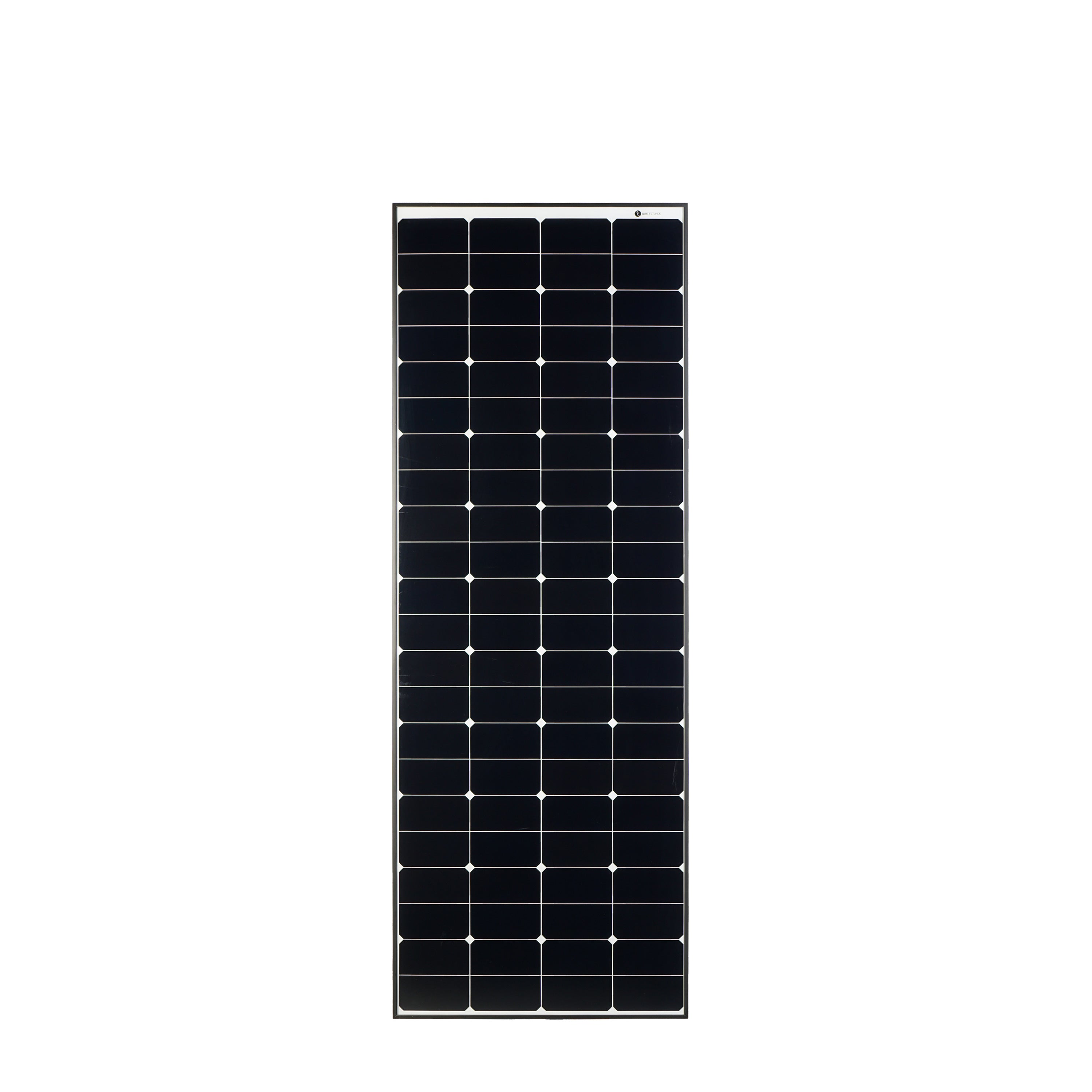

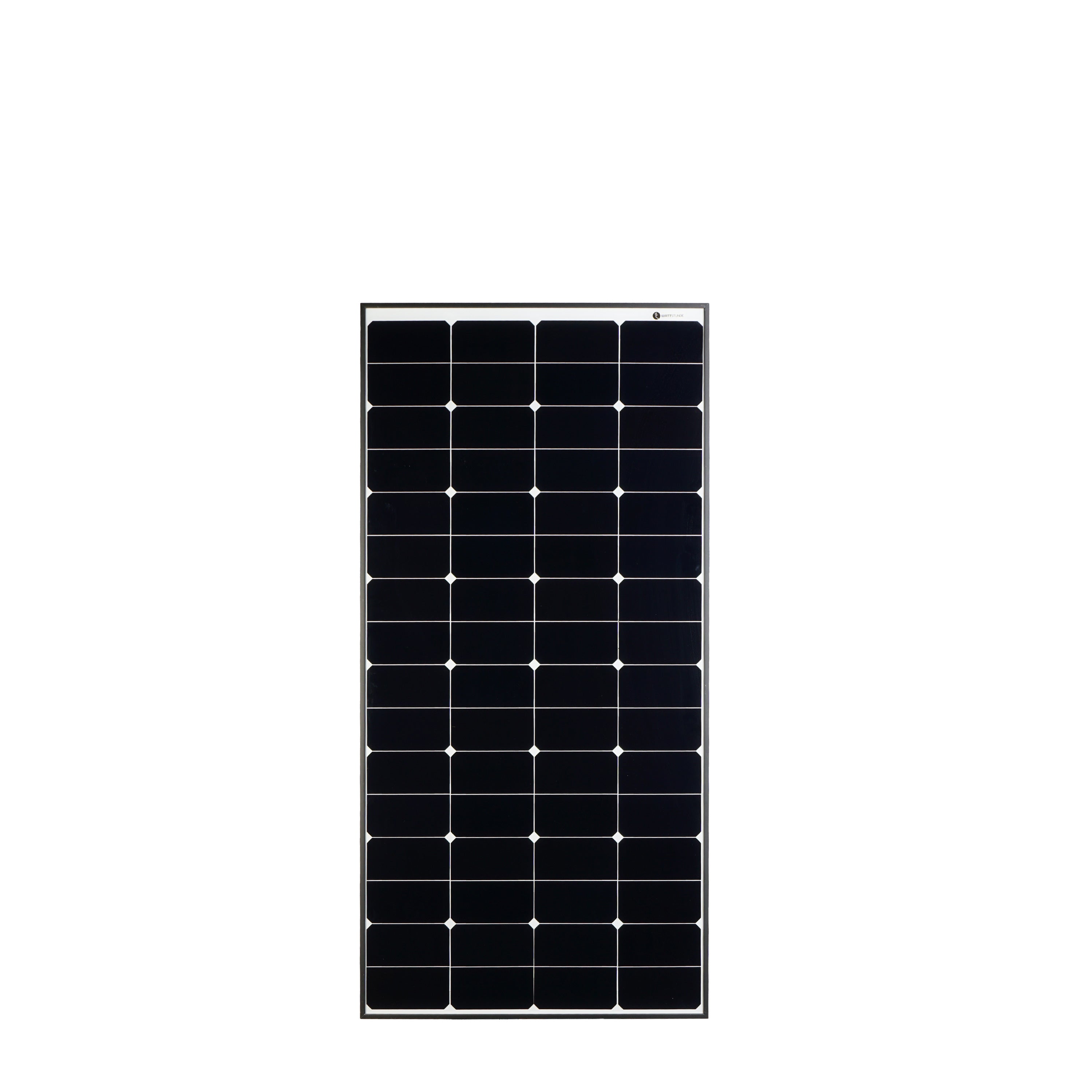

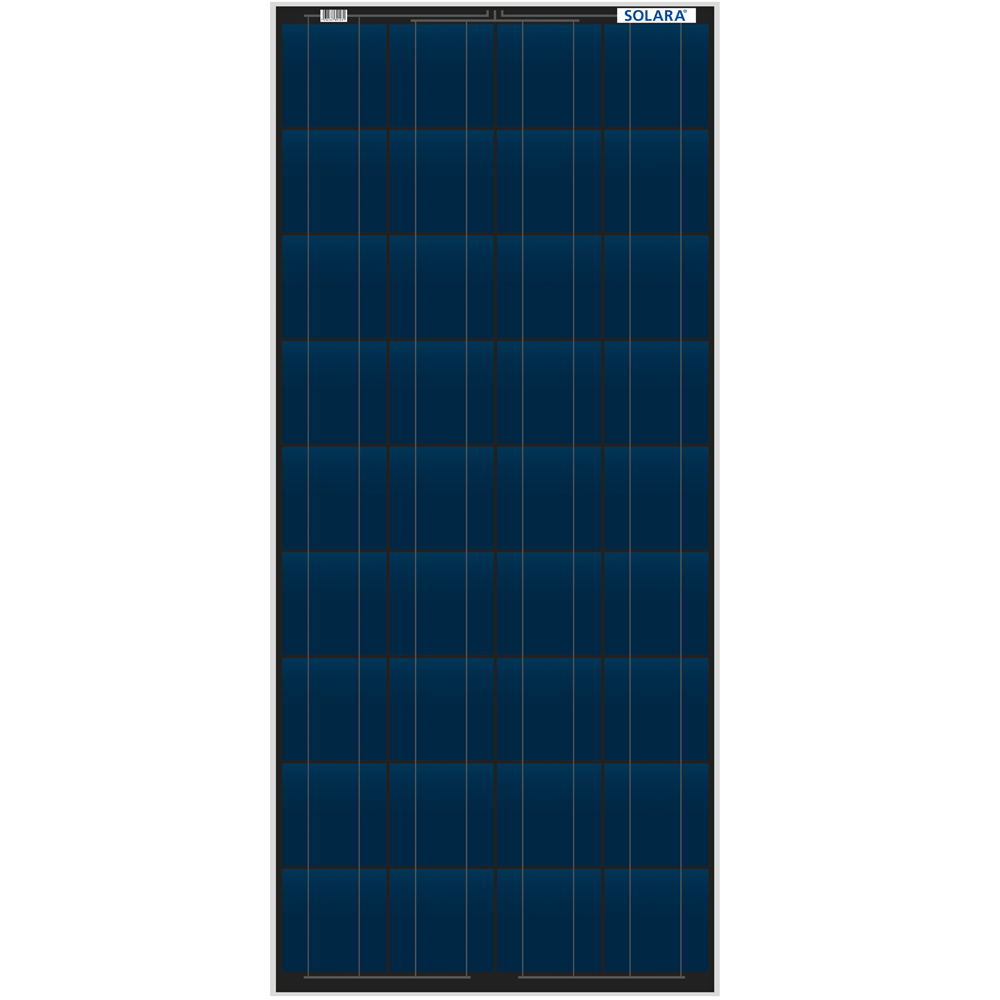
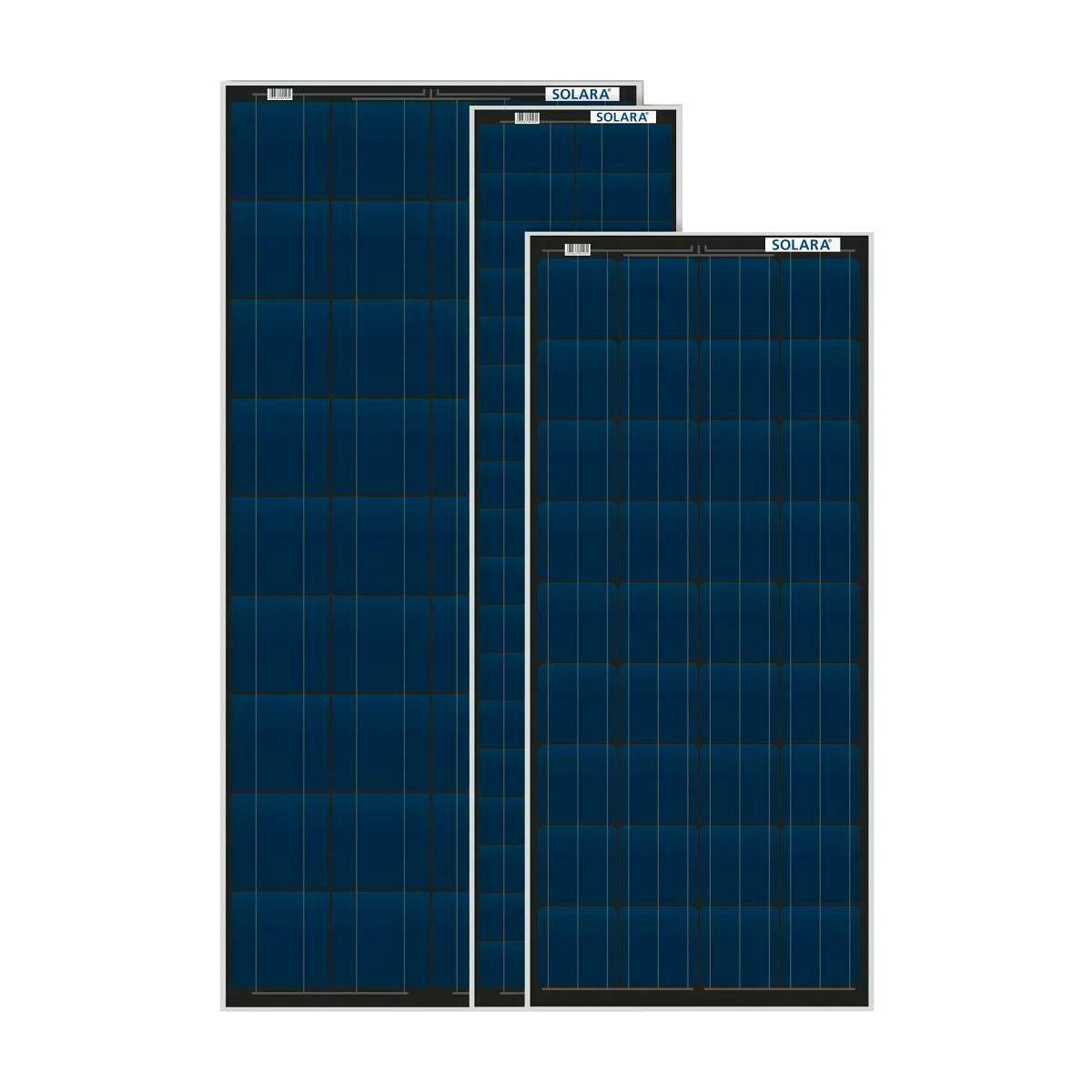

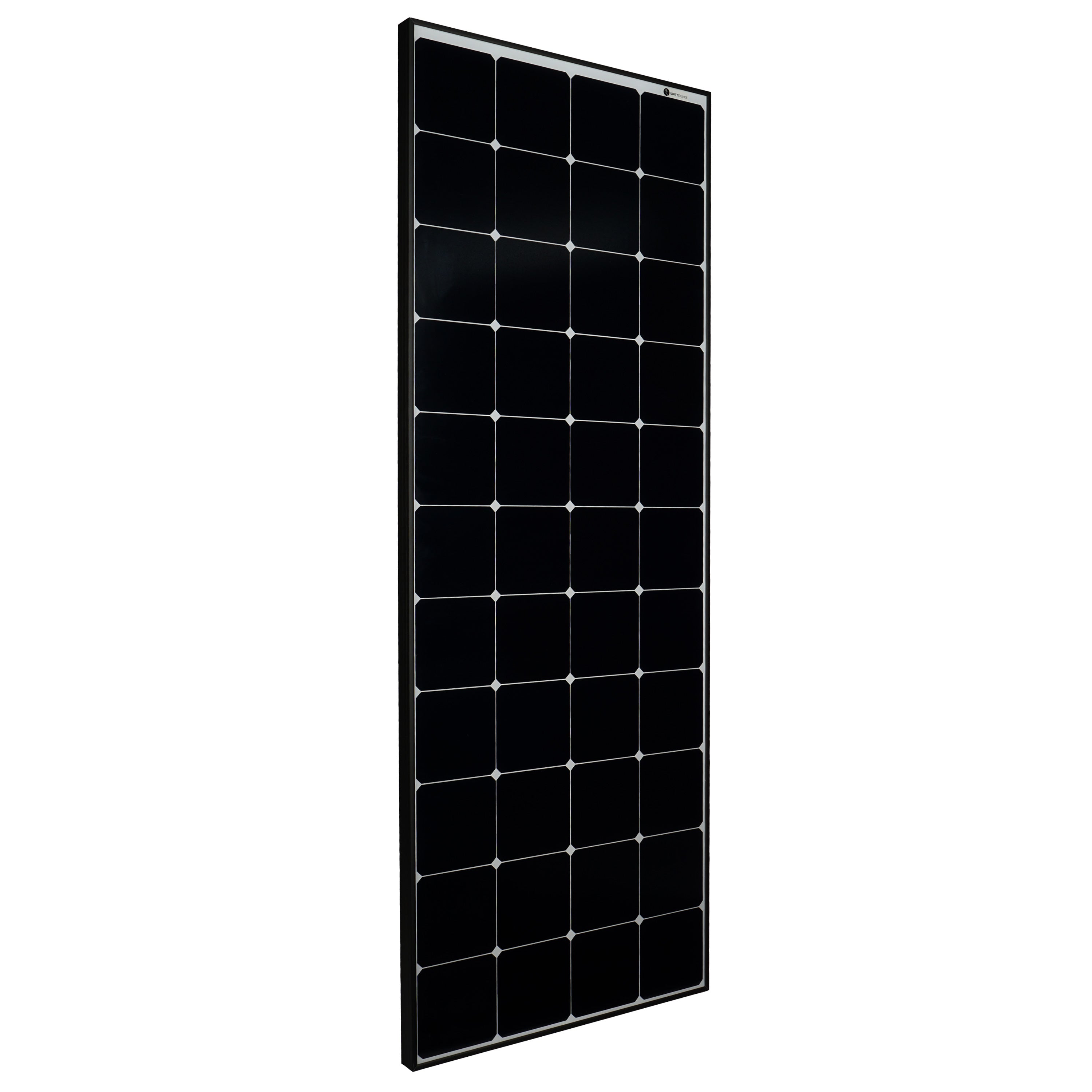
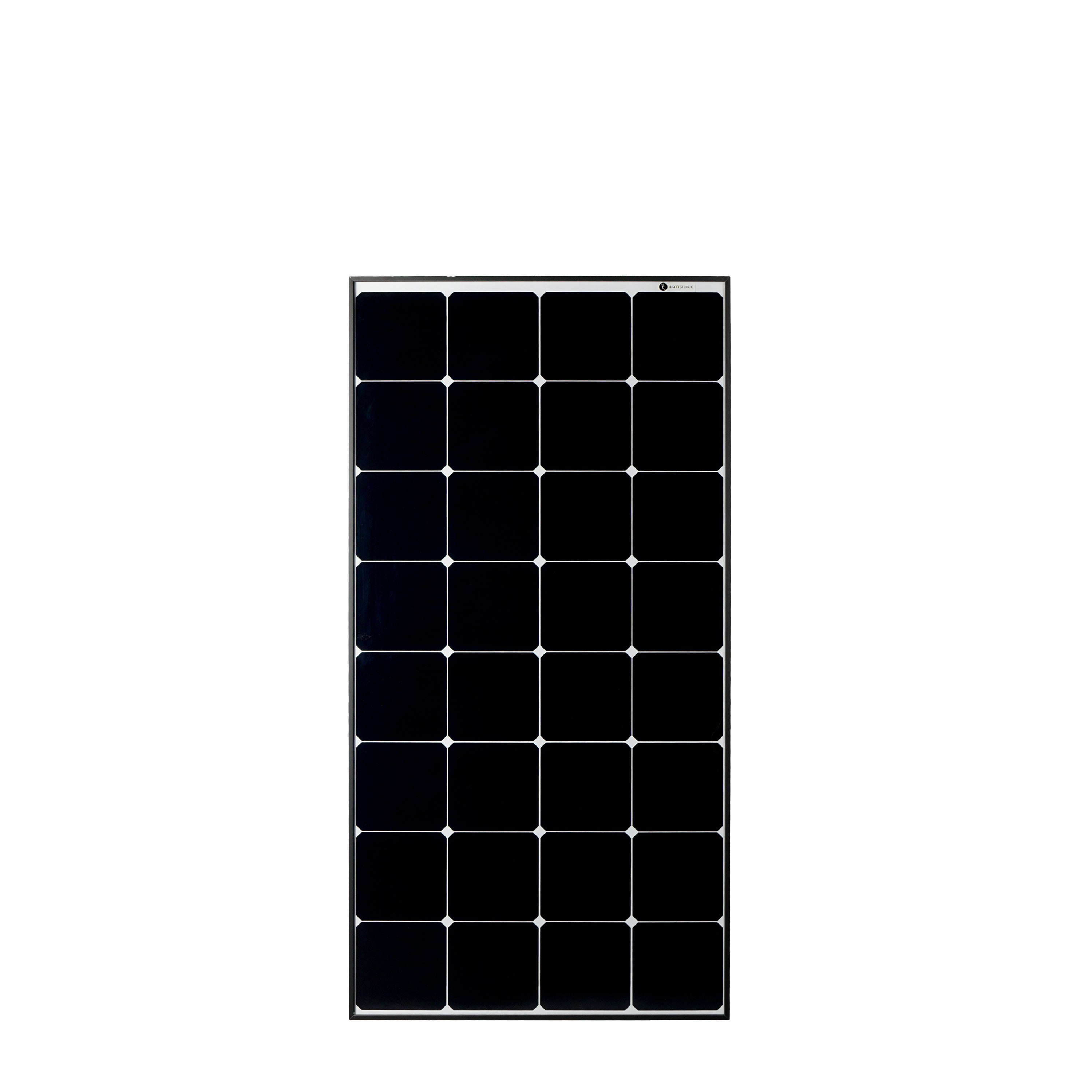
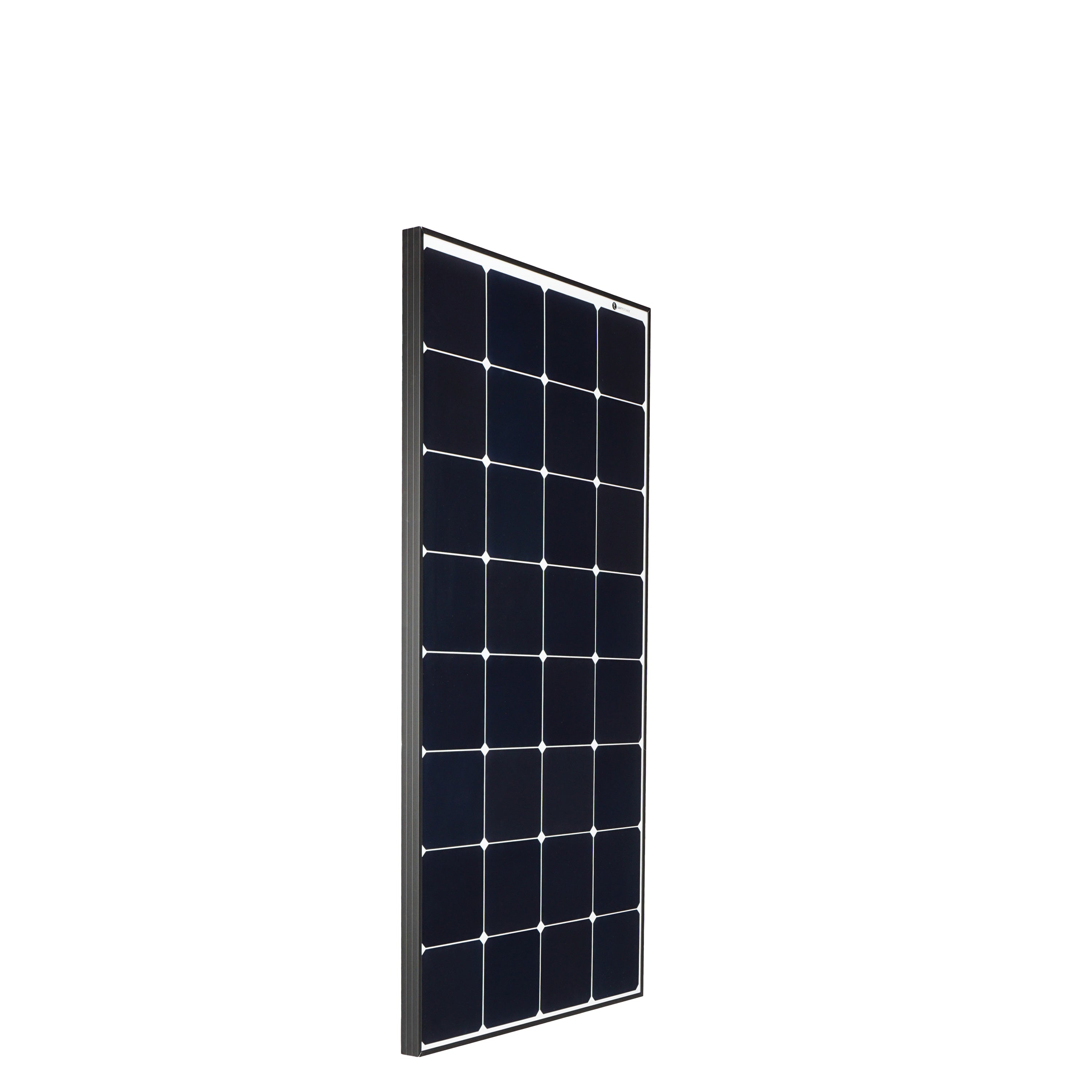
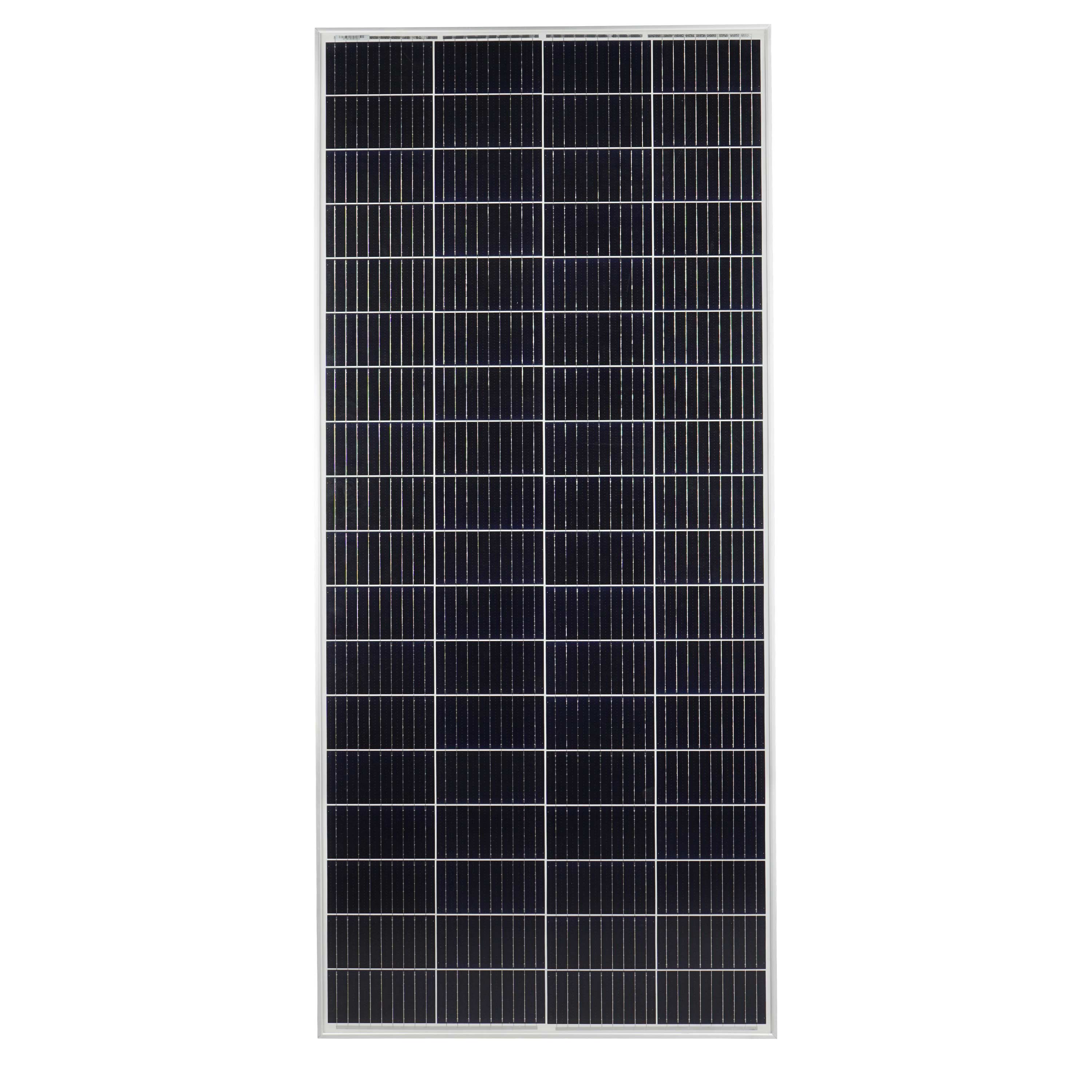
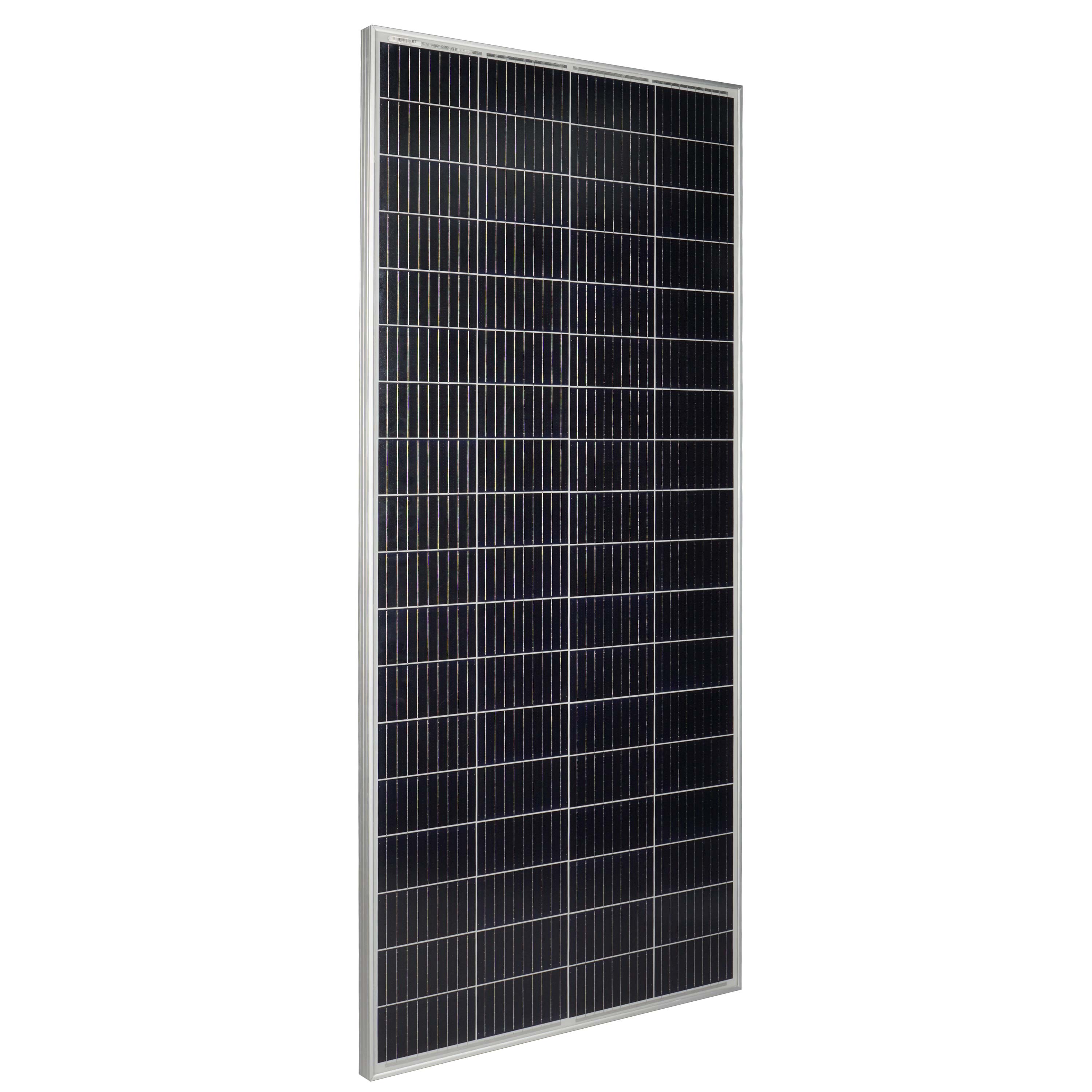
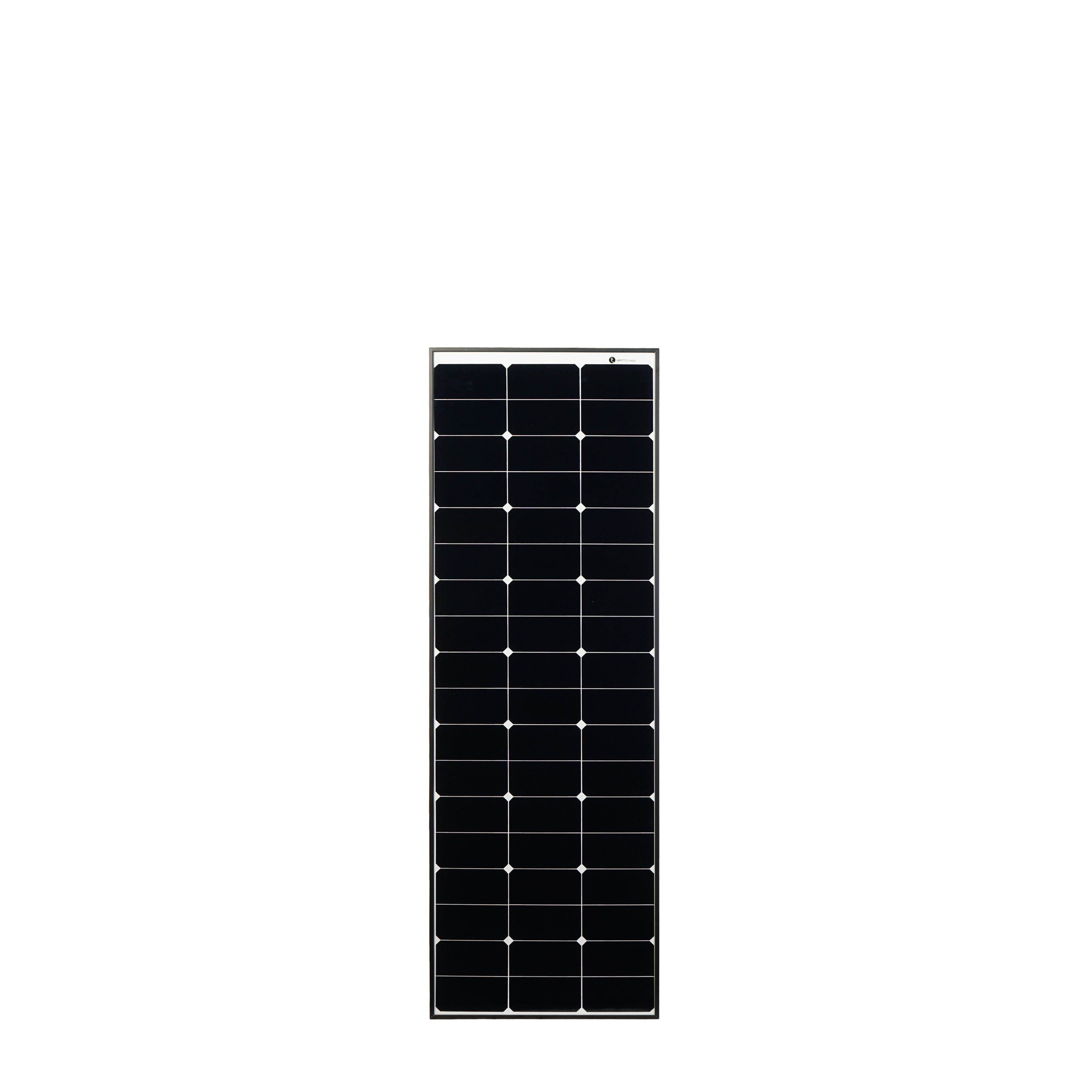
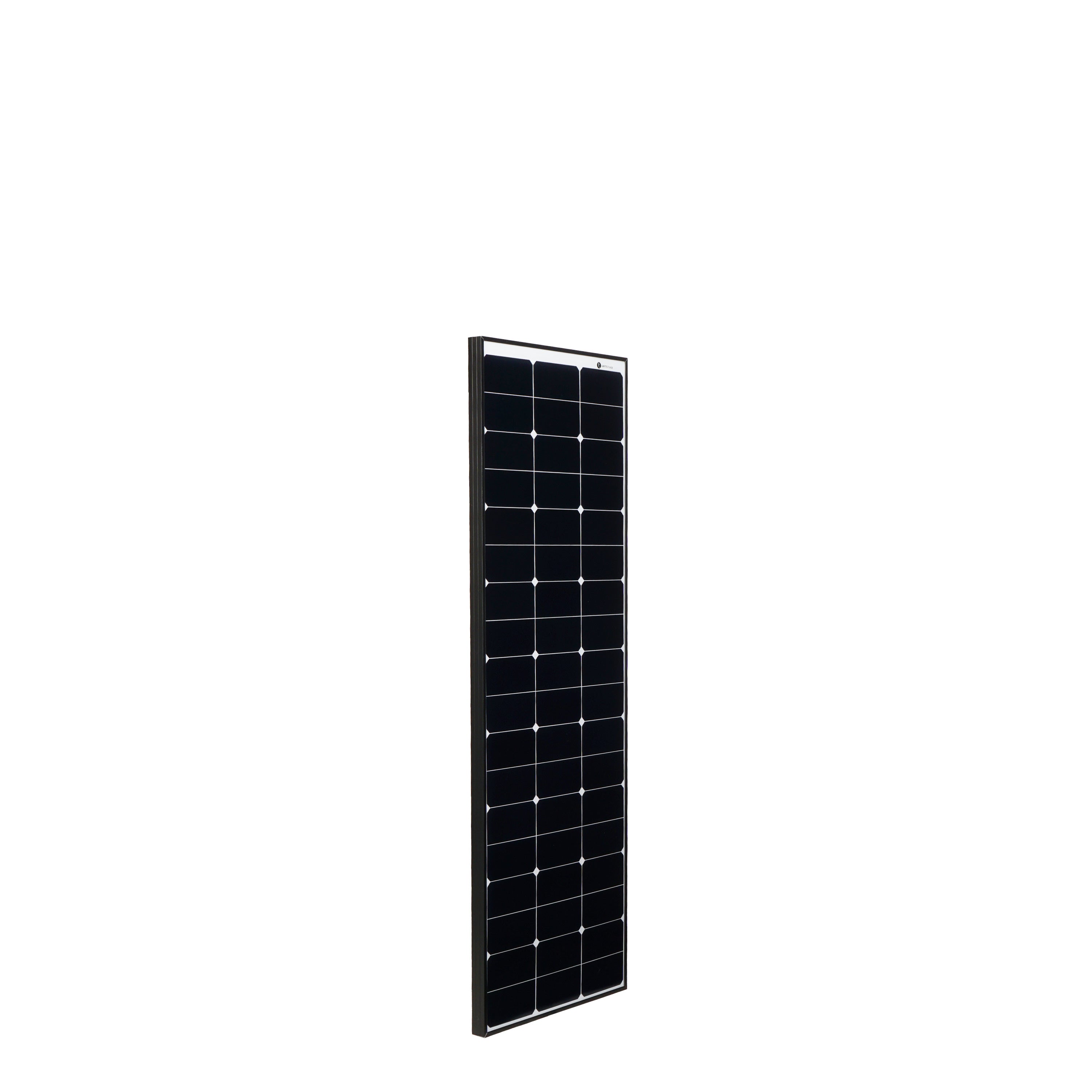
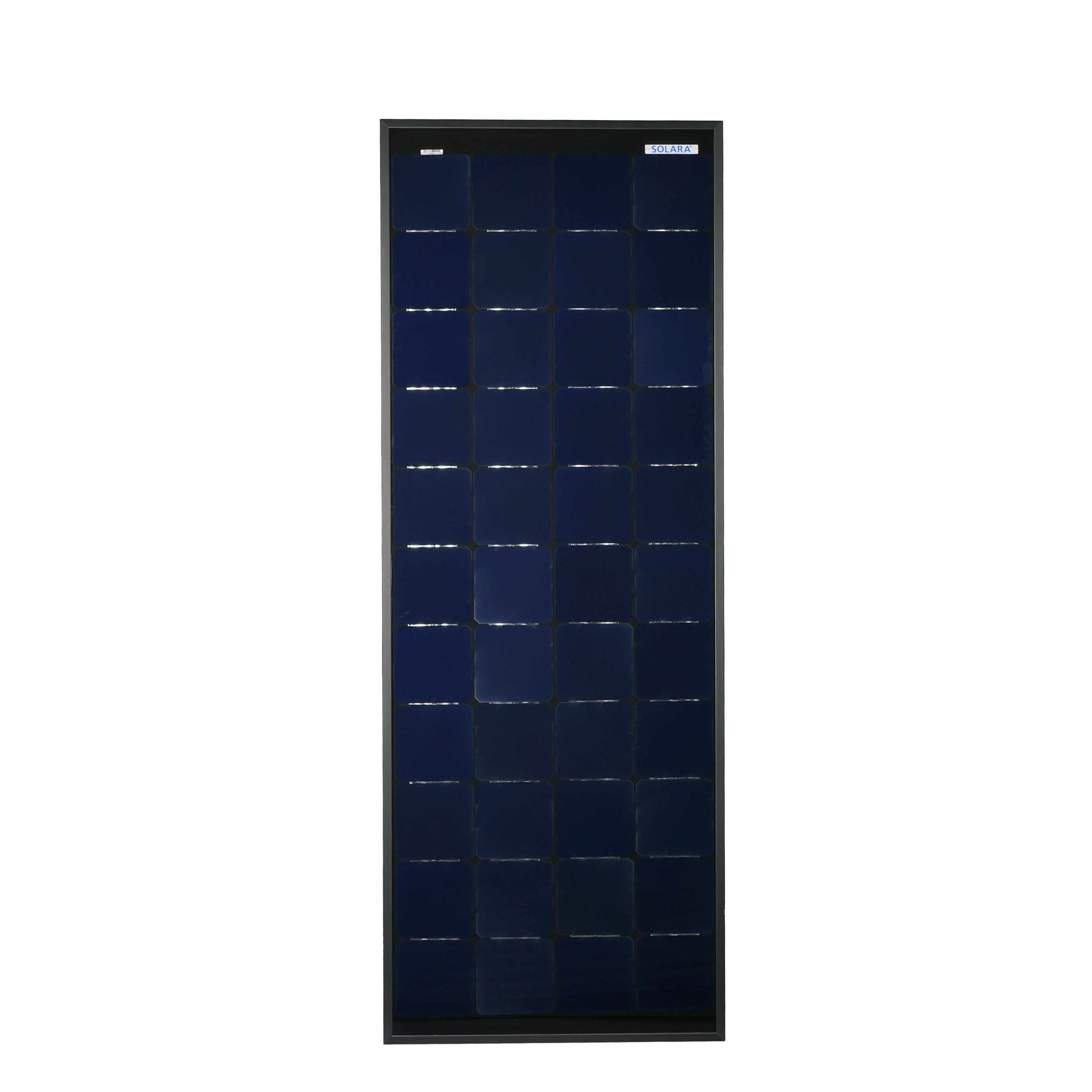

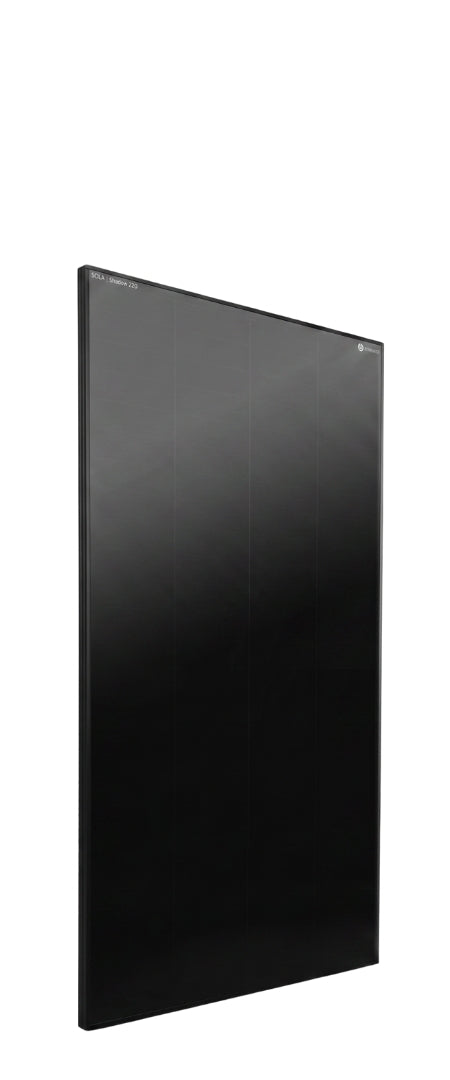
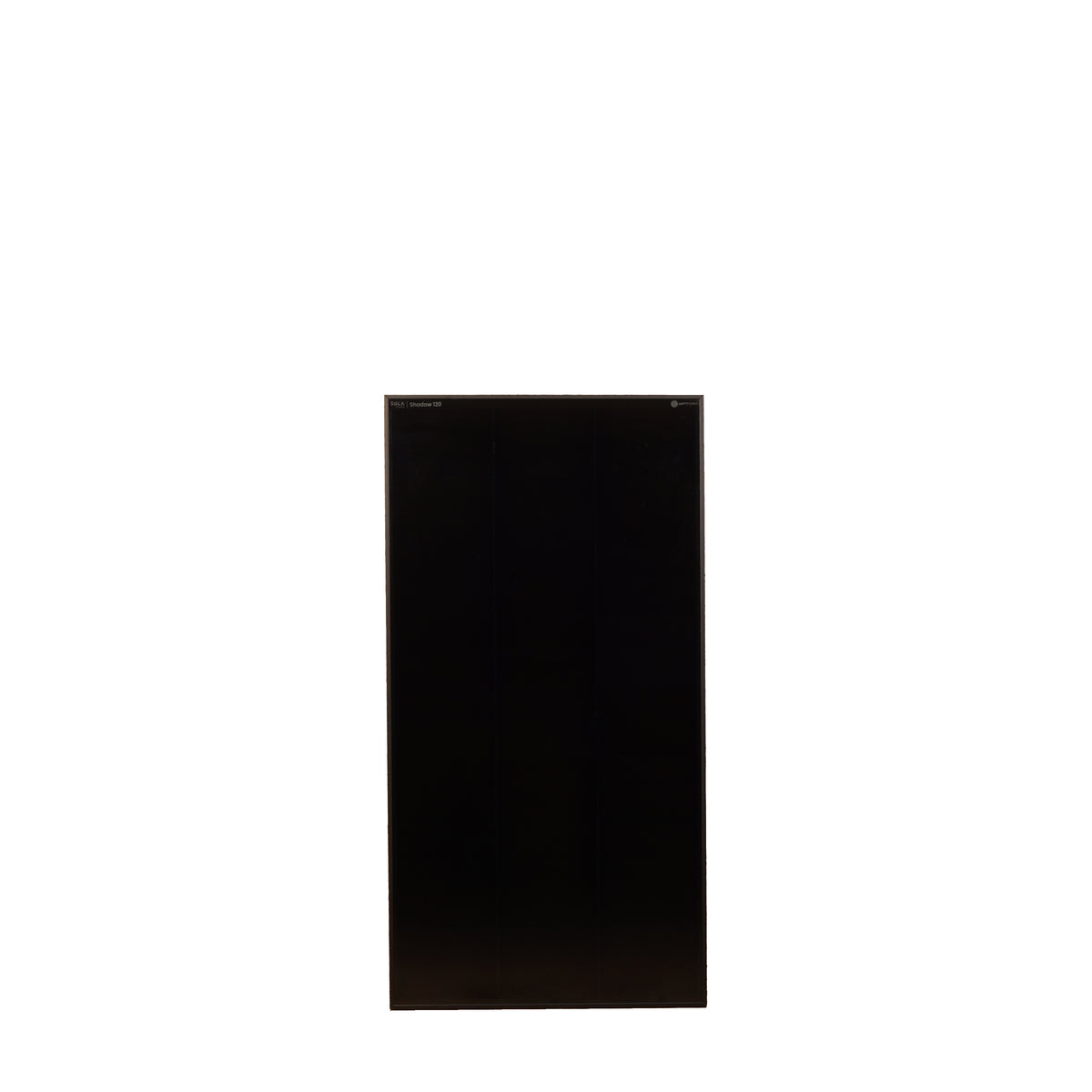
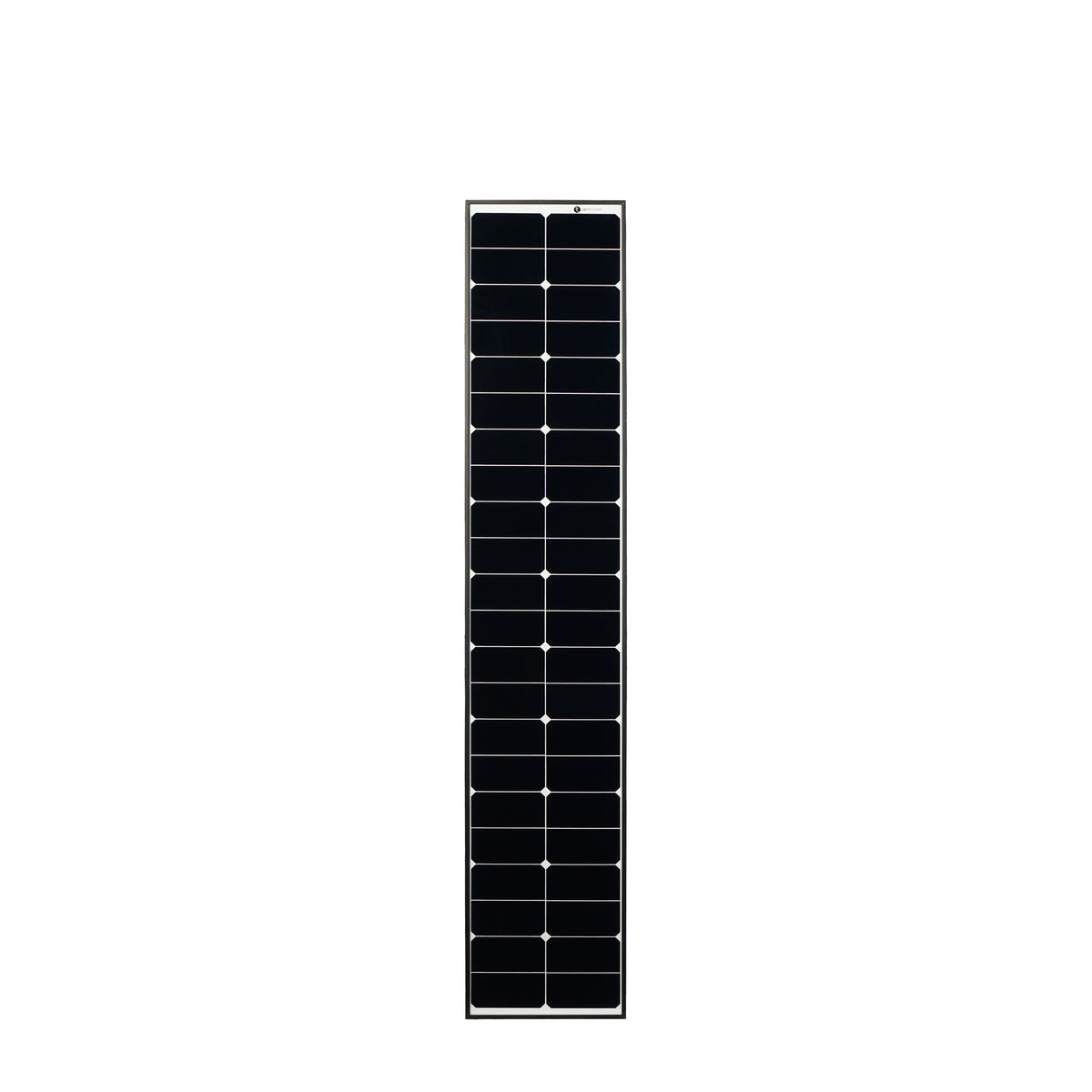
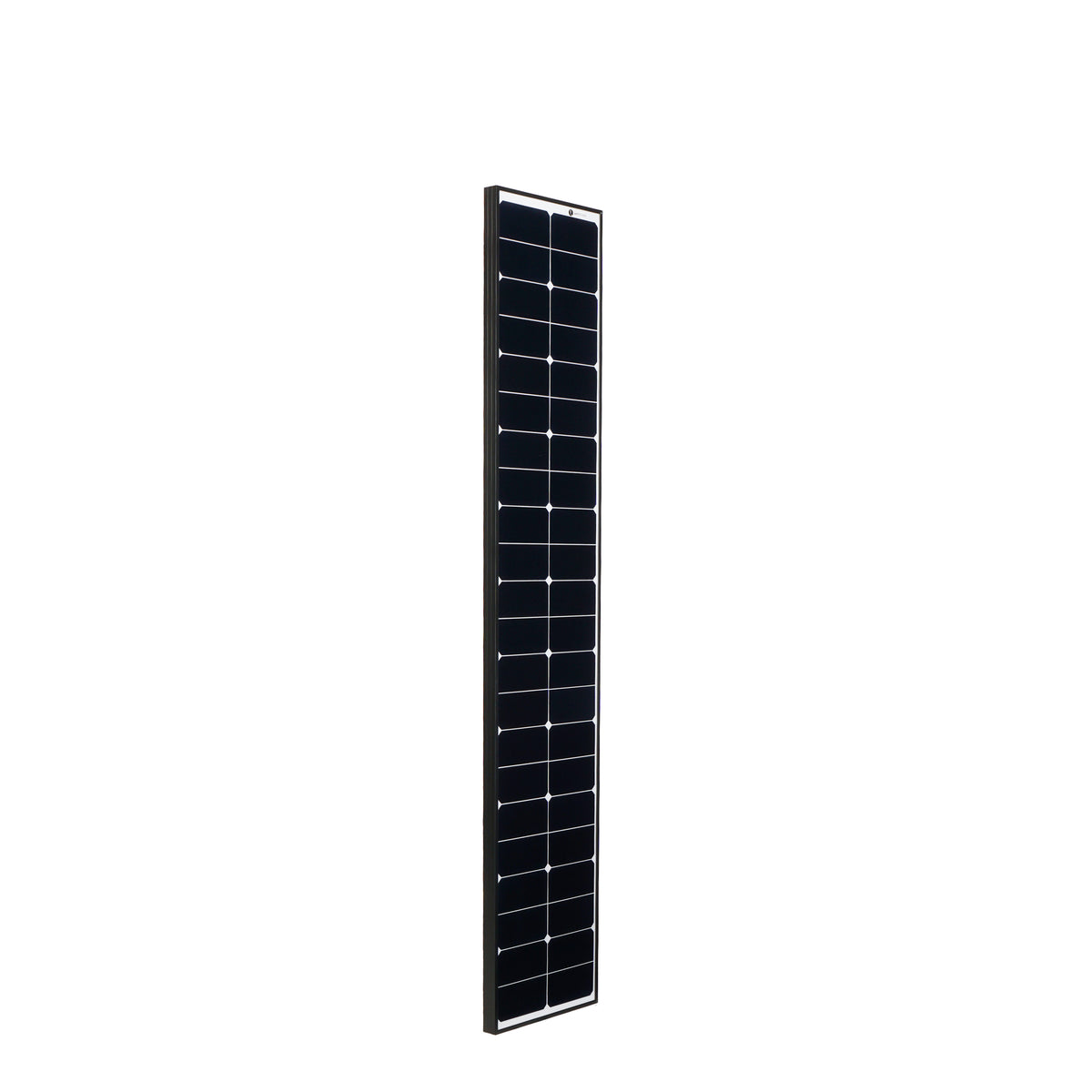
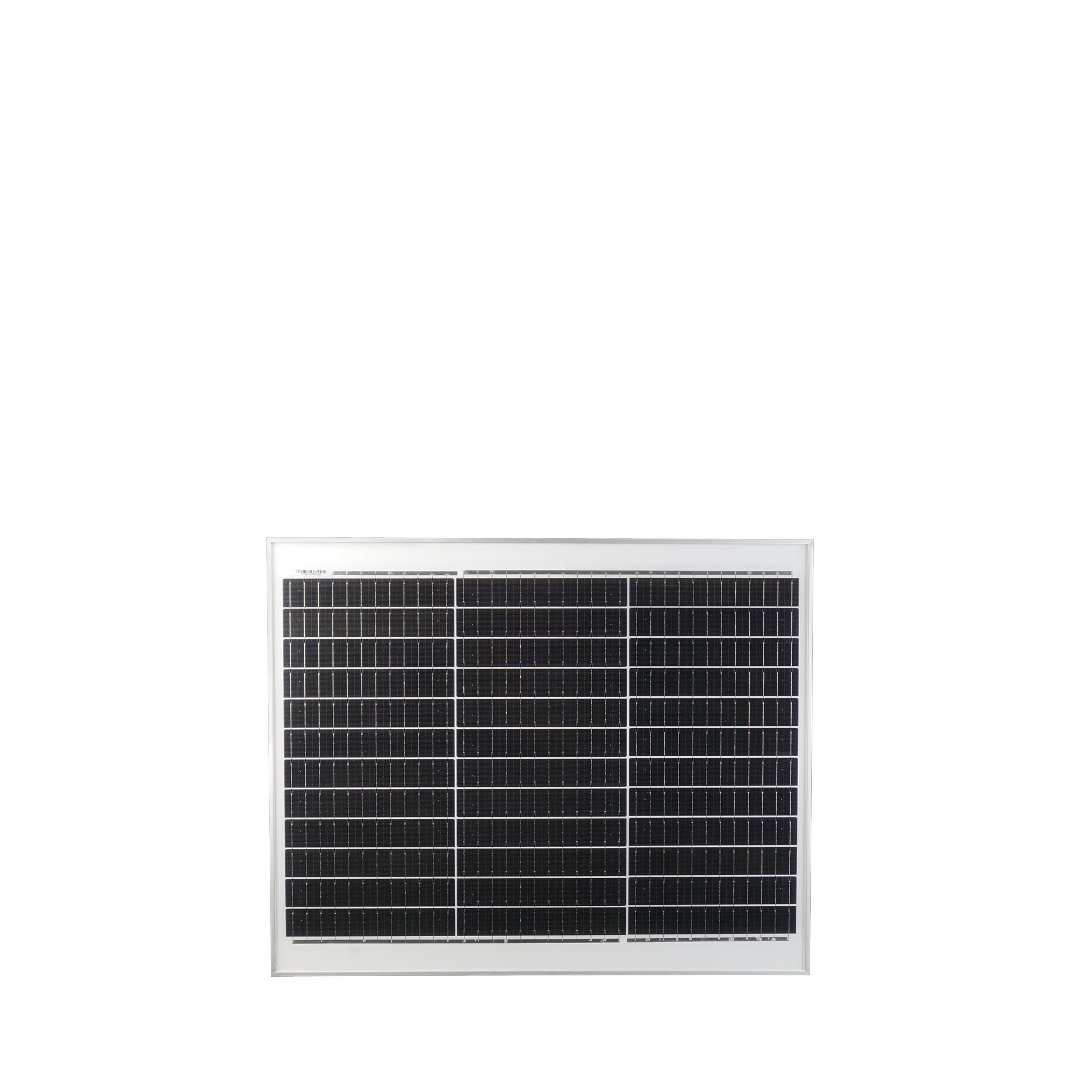
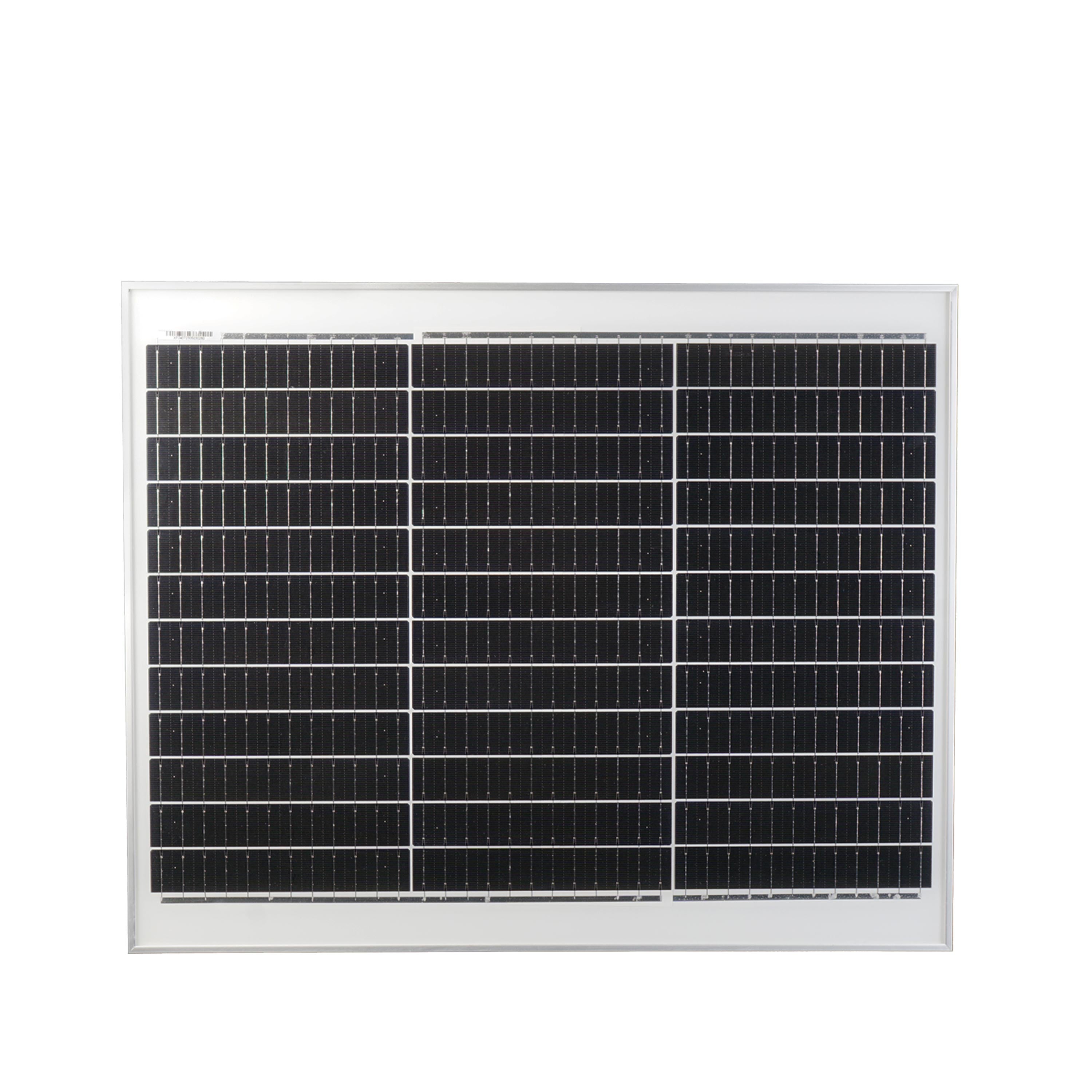


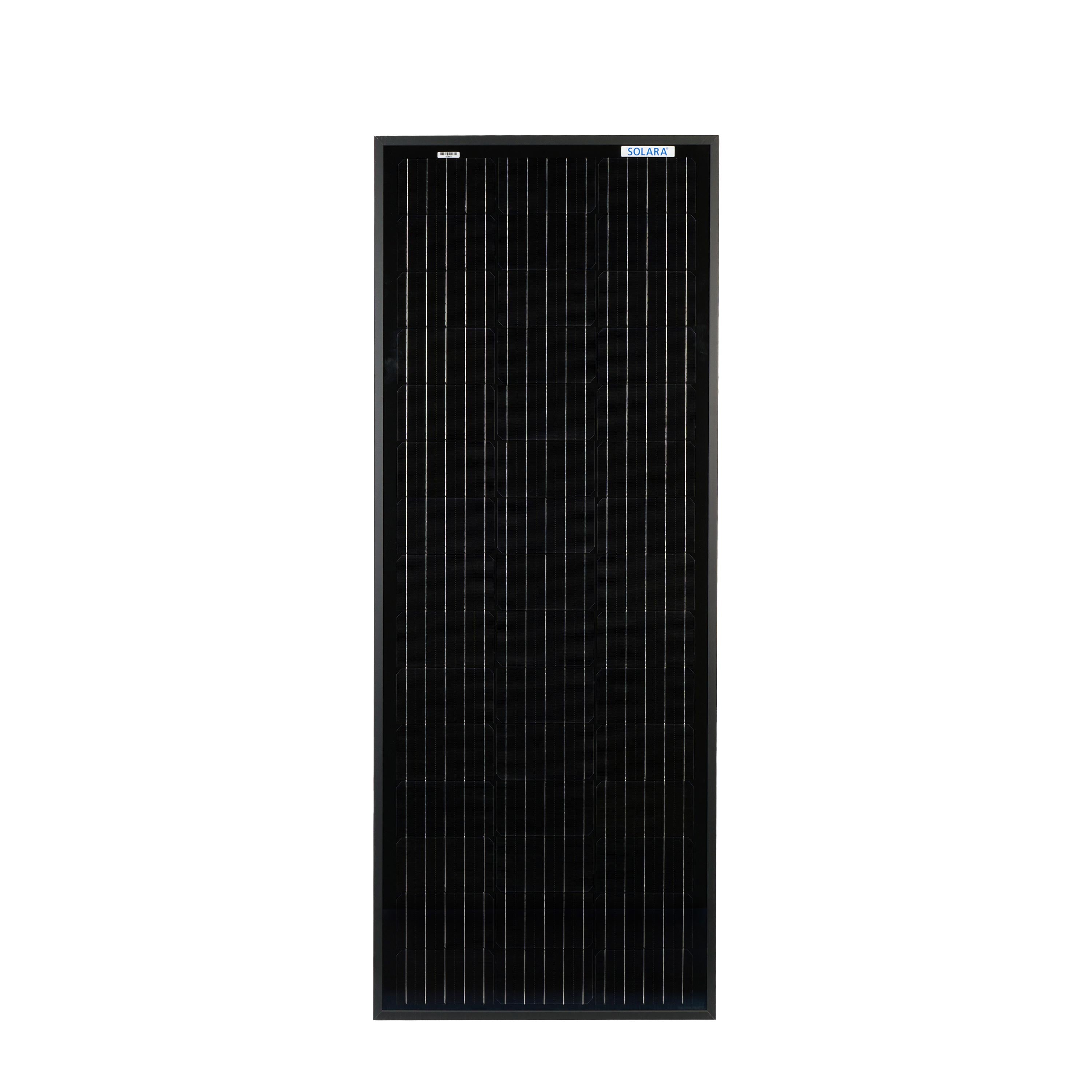
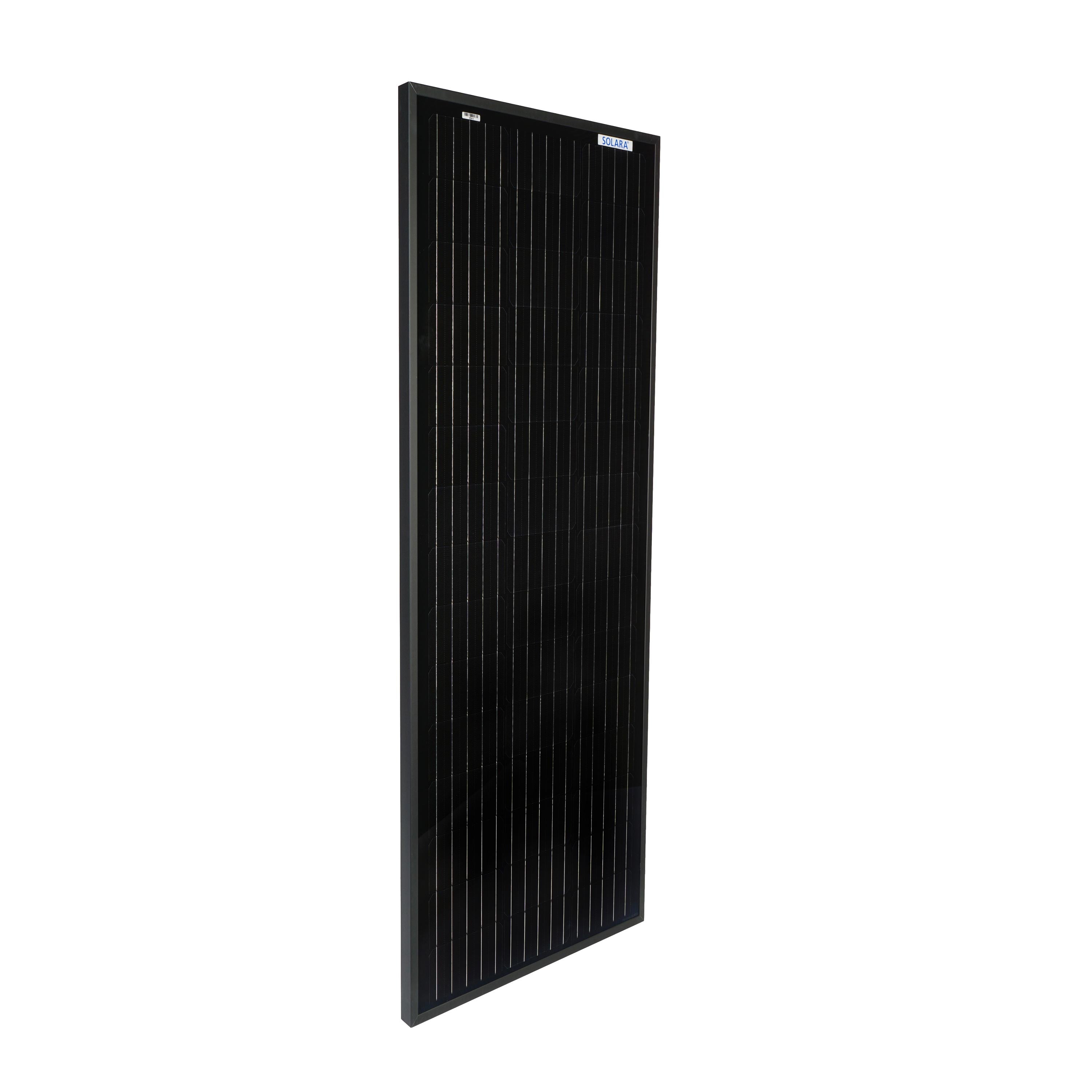
Framed solar modules – robust PV modules for permanent installation
Framed solar modules are the classic solution for stationary photovoltaic systems. Thanks to their sturdy aluminum frame and tempered solar glass, they are ideally suited for house roofs, balcony power plants, garages, or robust vehicle roofs.
They stand for high performance (300–450 W and more), long service life and reliable operation under a wide variety of weather conditions.
What are framed solar panels?
Framed solar modules consist of several solar cells encased in an aluminum frame. This frame provides:
- high mechanical stability
- long service life
- Easy installation with common roofing systems
- reliable operation even in wind and snow
Unlike flexible solar modules , they are less adaptable, but more robust and powerful.
For which applications are framed solar modules suitable?
House & Roof Systems
Ideal for permanent installations with high energy efficiency.
Balcony power plants
Compact modules with inverters make it possible to start producing your own electricity.
Garden sheds & workshops
Reliable power supply for lighting, pumps or tools.
Motorhome with a stable roof surface
Framed modules offer maximum performance when the roof load is sufficient.
How to choose the right framed solar panel
- Power (watts): The higher your electricity demand, the higher the module power should be. Typical ranges are between 300 and 450 watts.
- Cell technology: PERC, half-cut or shingled cells increase efficiency and yield.
- Mounting system: Pay attention to suitable brackets and roof systems.
- Compatibility: The module must be technically compatible with solar charge controllers , batteries, or inverters.
Framed vs. flexible or foldable solar panels
Framed modules are particularly suitable for:
- permanent installation
- high performance requirements
- long-term use
Flexible or foldable solar panels are more suitable if:
- Weight is crucial
- The surfaces are curved.
- Mobility is the main focus
Advantages at a glance
- High performance and long service life
- Robust construction with aluminum frame
- High efficiency
- Suitable for stationary and semi-mobile systems
- Low maintenance
Suitable additions
- Solar Modules Topic – Basics and Orientation
- Flexible solar modules – for lightweight and curved surfaces
- Foldable solar panels – a mobile high-performance option
- Solar charge controller – for safe battery management
- Power stations – store electricity and use it on the go
- Batteries – energy for night and bad weather
FAQ | 6 frequently asked questions about framed solar panels
What is the difference between framed and flexible solar panels?
Framed modules are more stable, longer-lasting, and achieve higher efficiency. Flexible modules are lighter and ideal for curved surfaces or temporary use.
Can I use framed solar panels for my motorhome or van?
Yes, they are ideally suited for roof mounting on motorhomes or vans. Thanks to the aluminum frame, they can easily withstand prolonged vibrations and weather conditions.
Are framed solar panels suitable for balcony power plants?
Yes, many models are specifically designed for mini-PV systems. With a suitable inverter, they can easily be operated on a balcony or terrace.
How are framed solar panels mounted?
They can be mounted on roofs, carports, walls, or using mounting brackets. Special mounting kits with plug-in connections are available for balcony power plants.
How much electricity can I generate with a framed module?
This depends on the module's power output and location. A 400 W module can generate an average of 350–420 kWh per year – enough for lighting, appliances, or feeding electricity into the home grid.
Can I combine framed modules with power stations or batteries?
Yes, framed modules can be connected directly to batteries or power stations via a solar charge controller – ideal for self-sufficient power supply in the garden, van or holiday home.
