
Power station
Filters
11 products
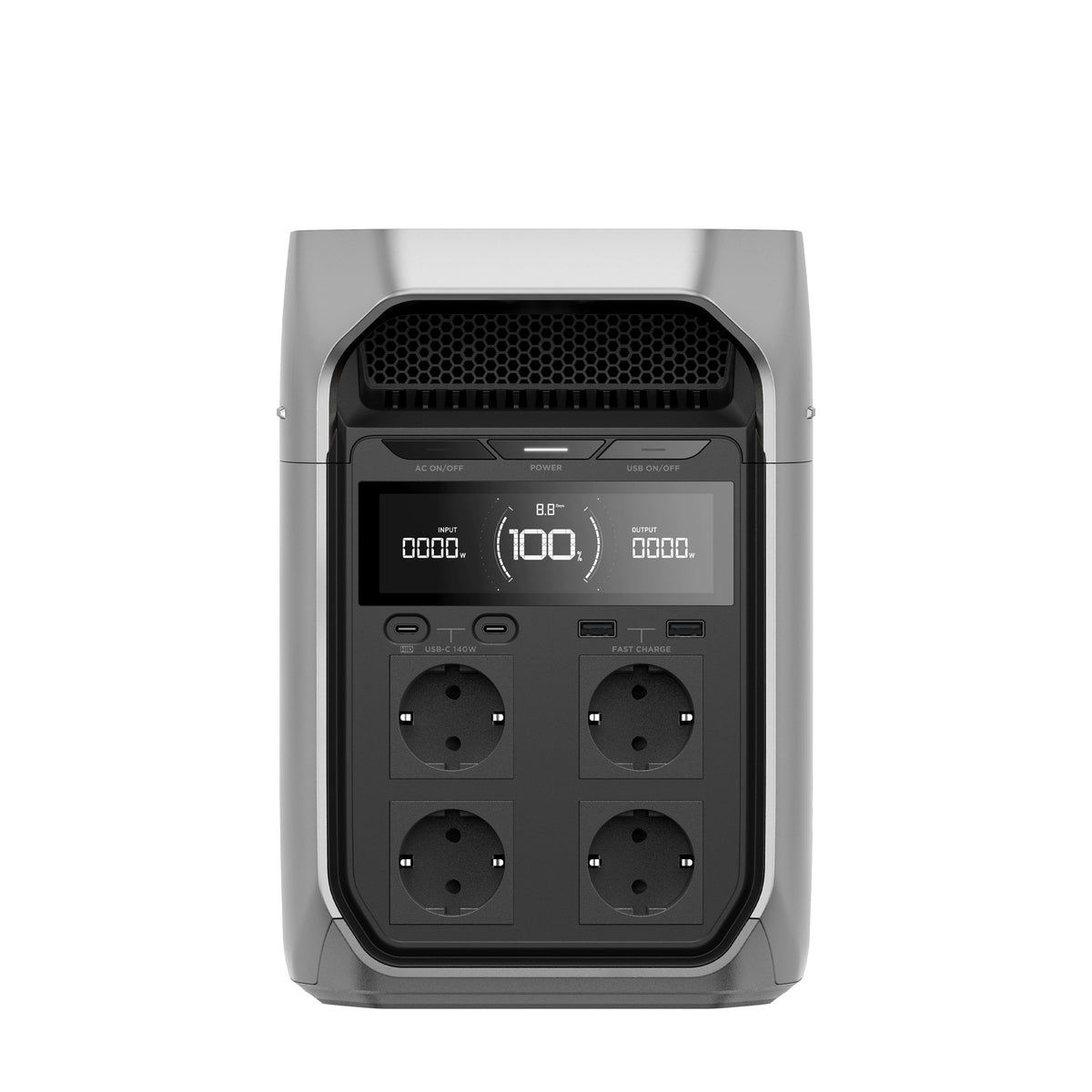
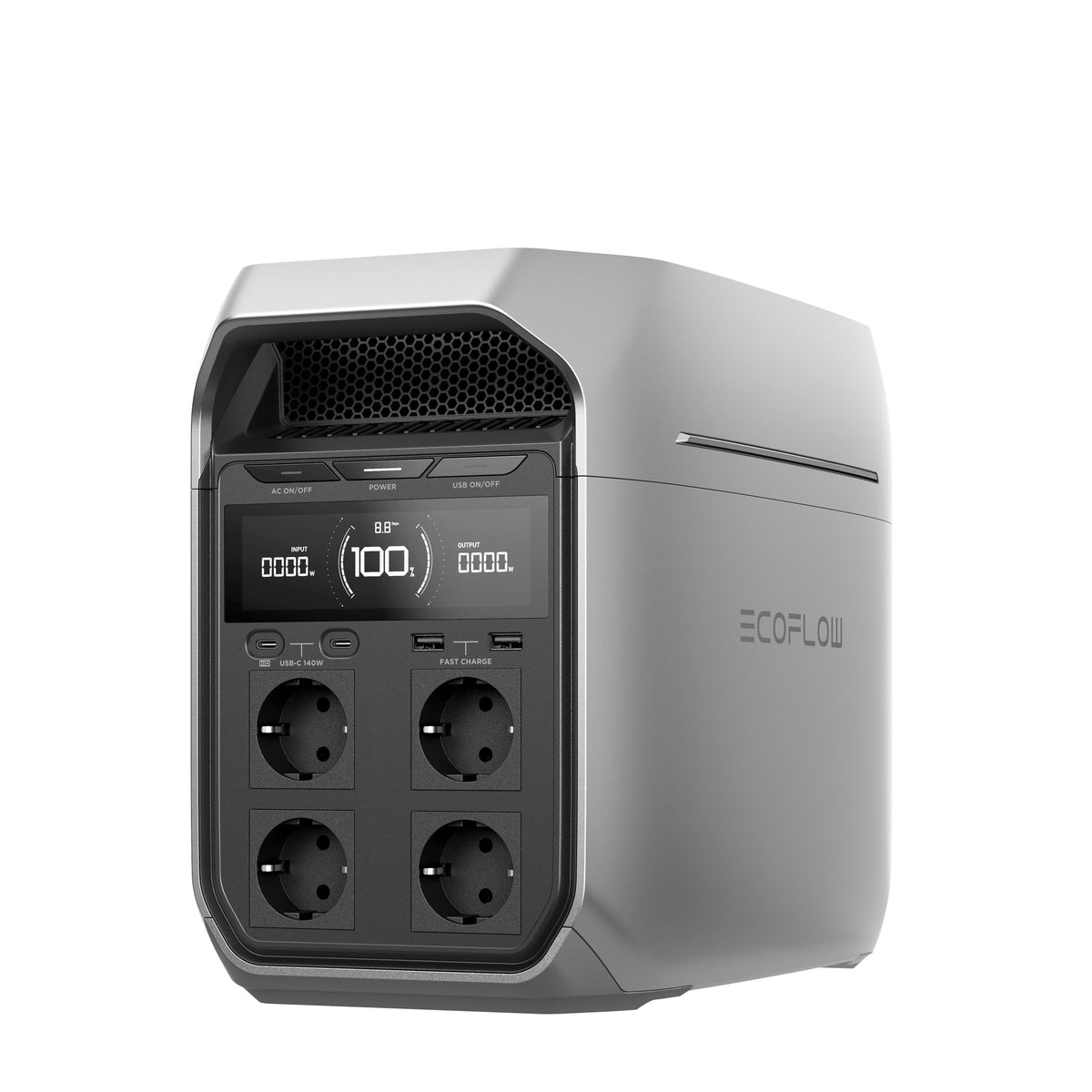
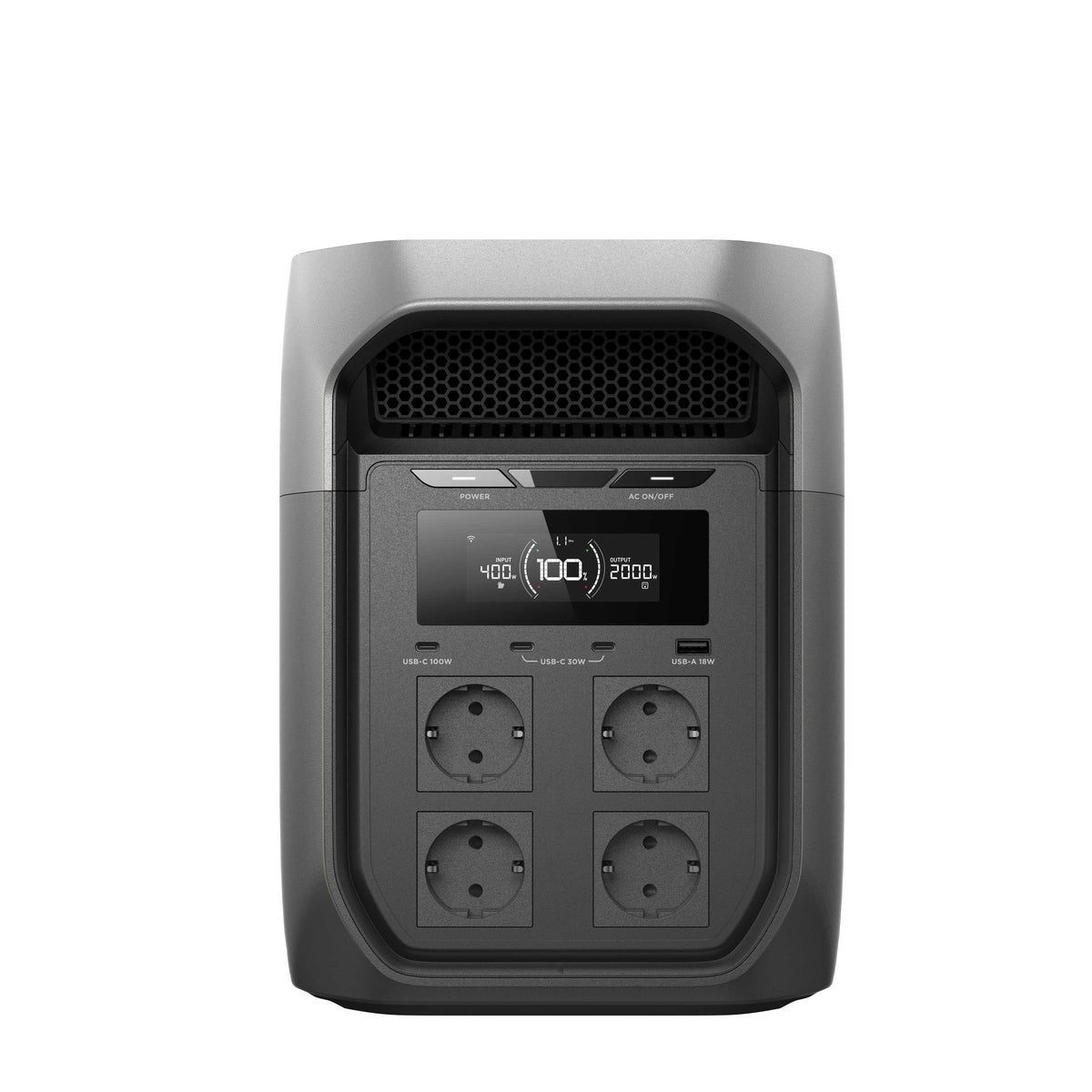
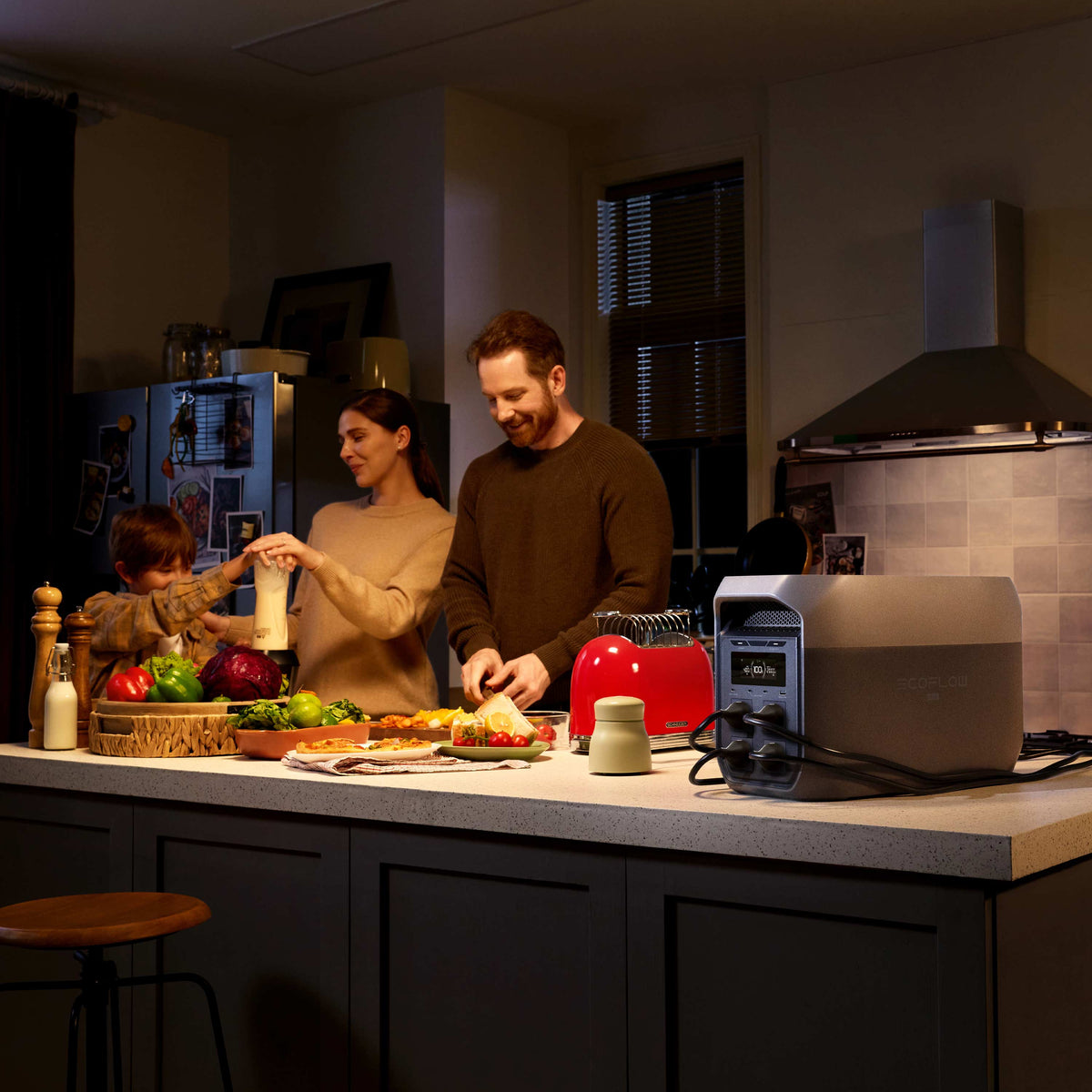
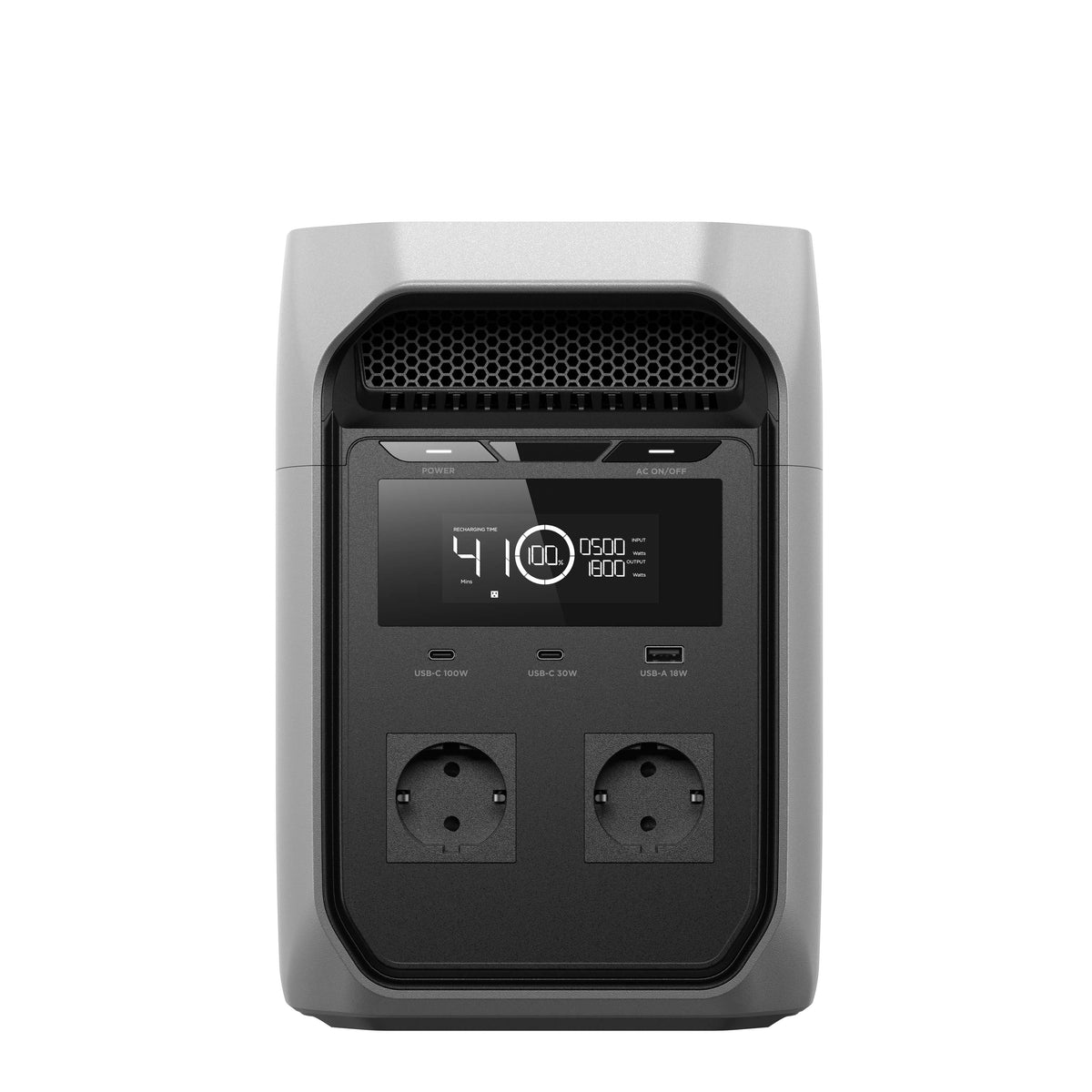
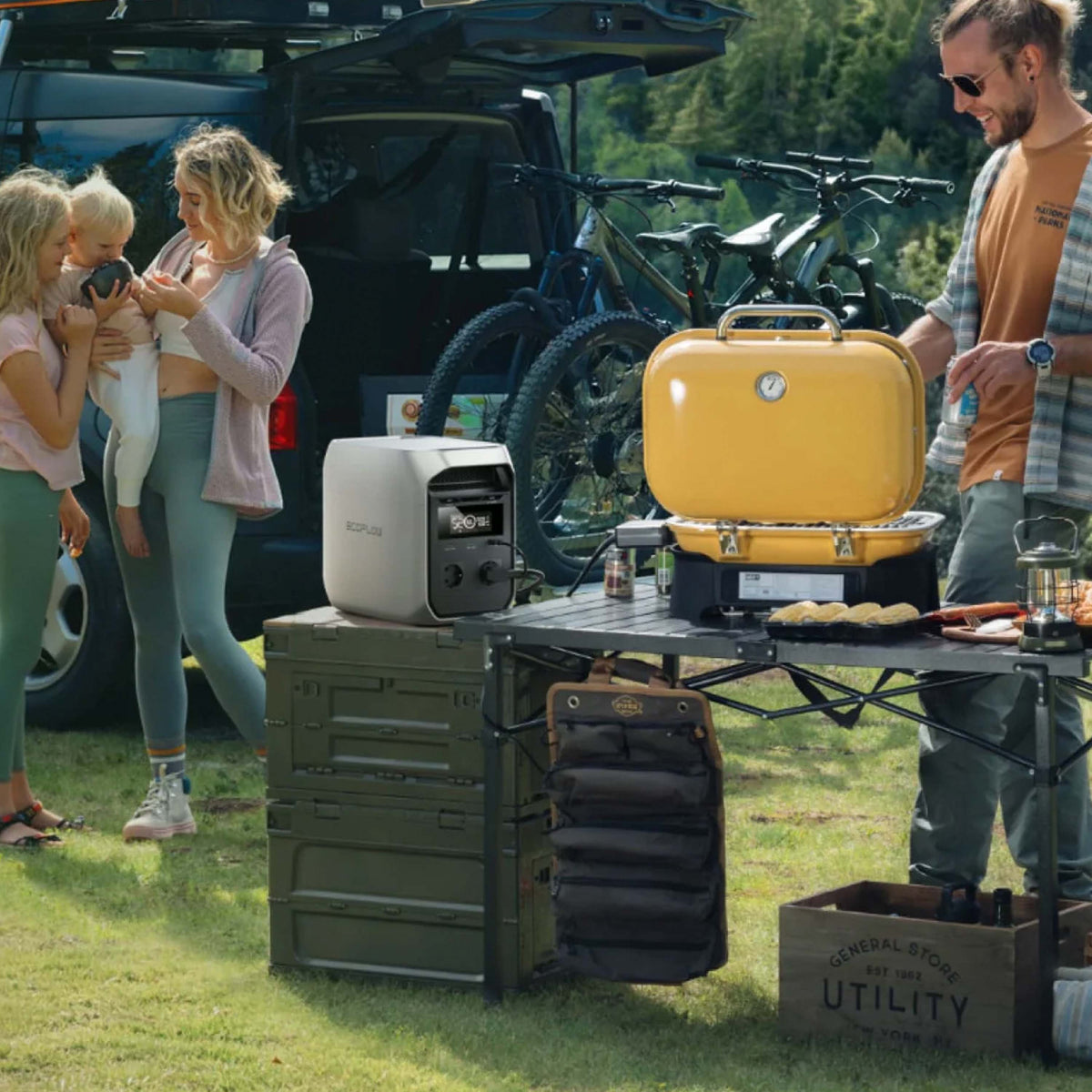


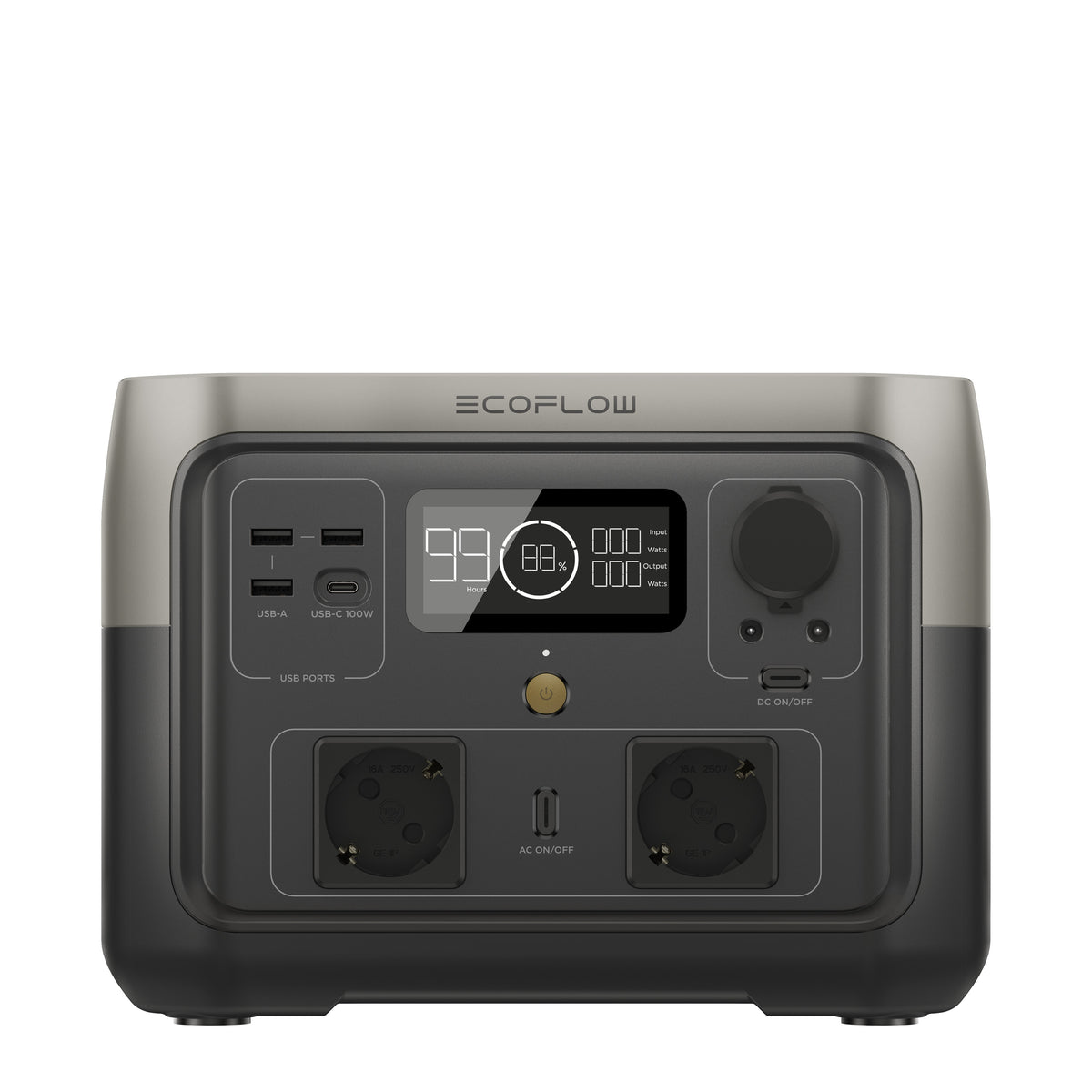
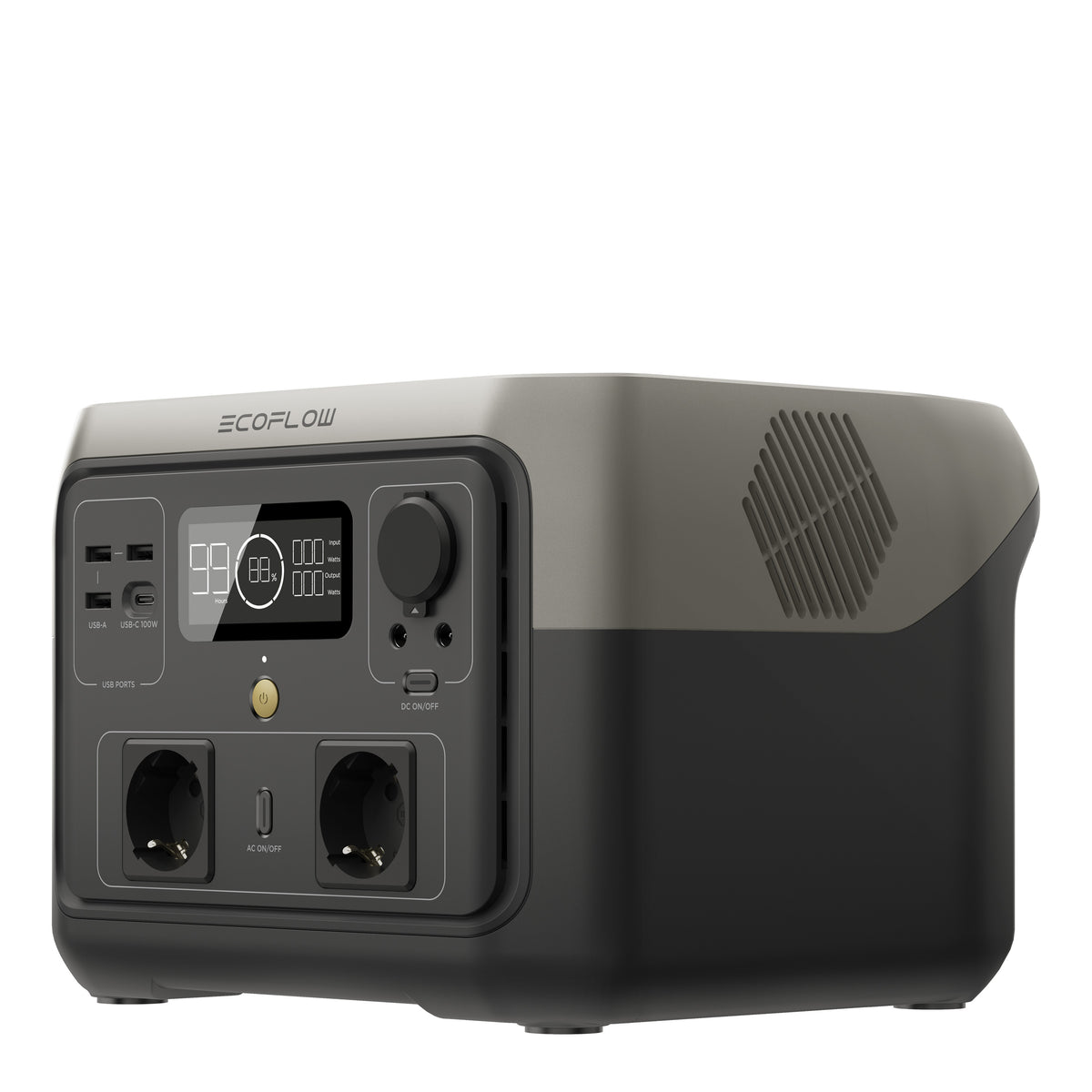
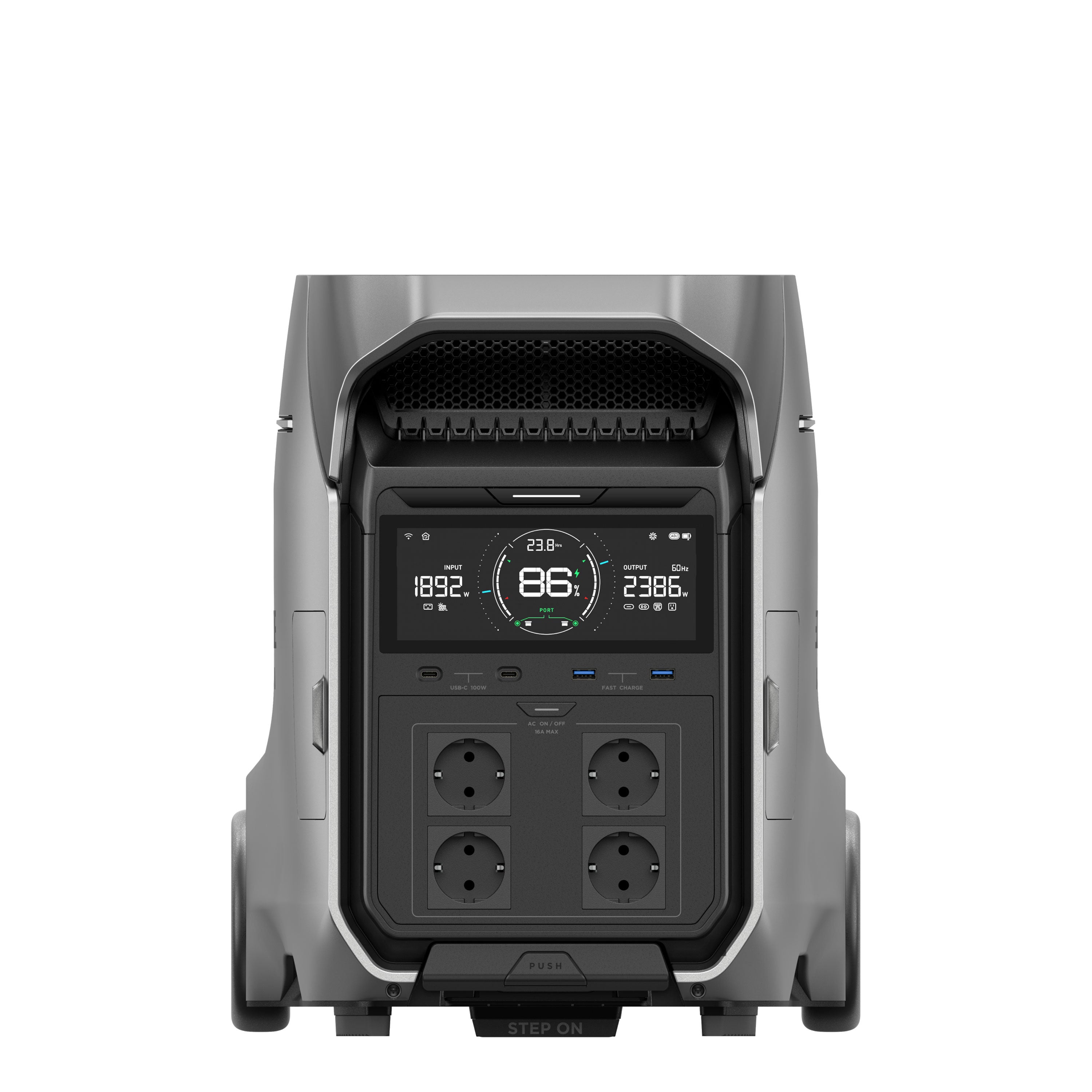
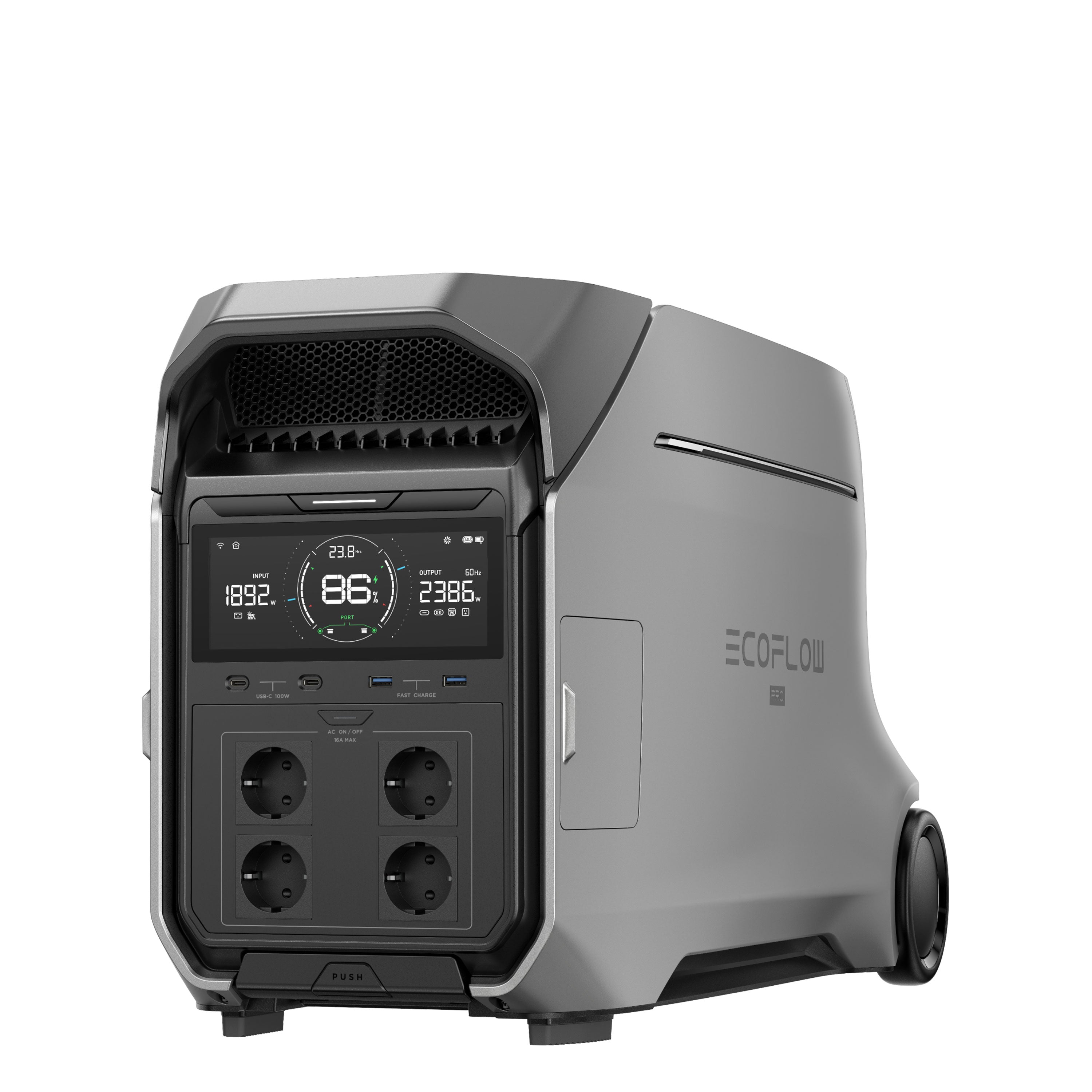



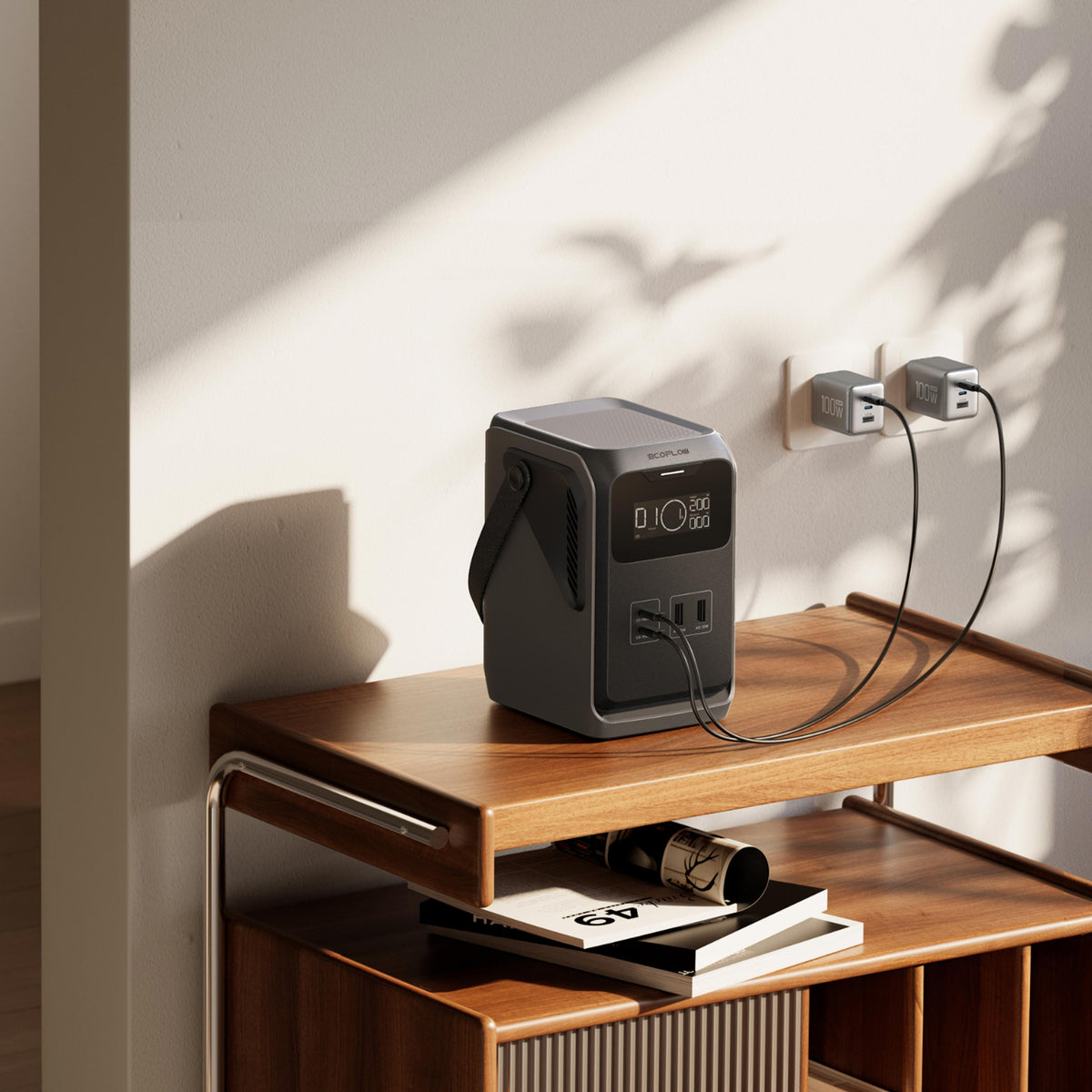

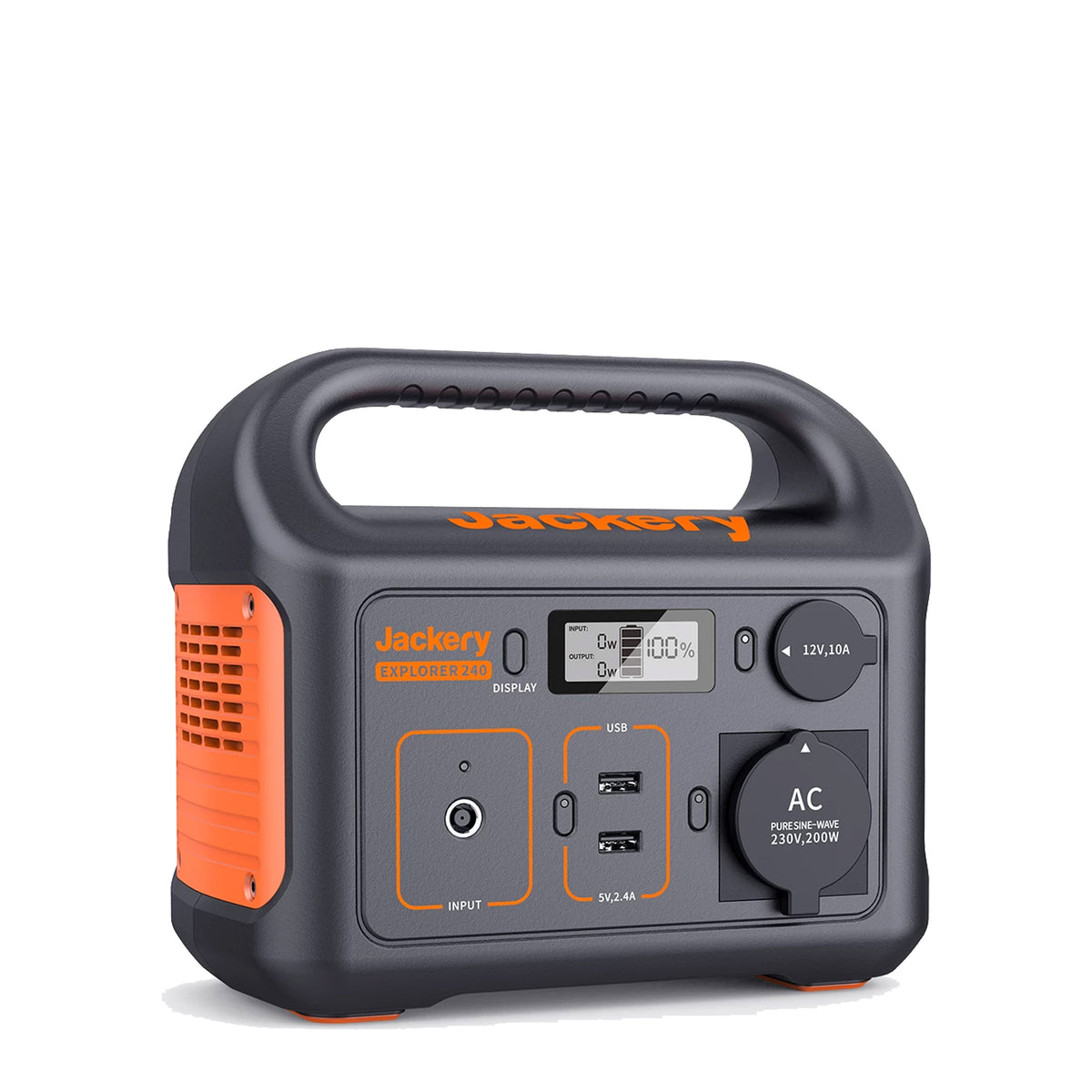
Power Stations for Camping, Van Life & Emergency Backup Power
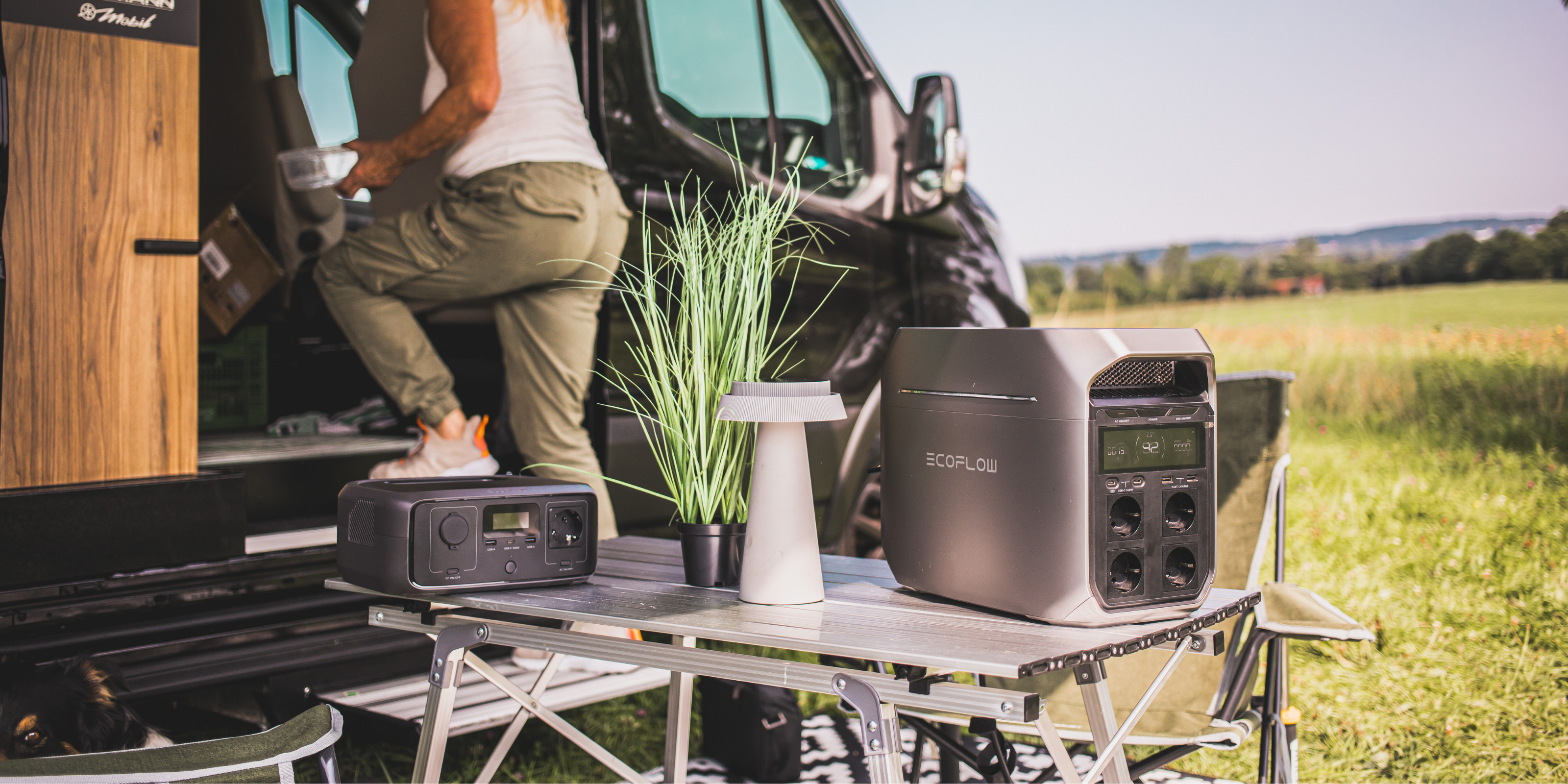
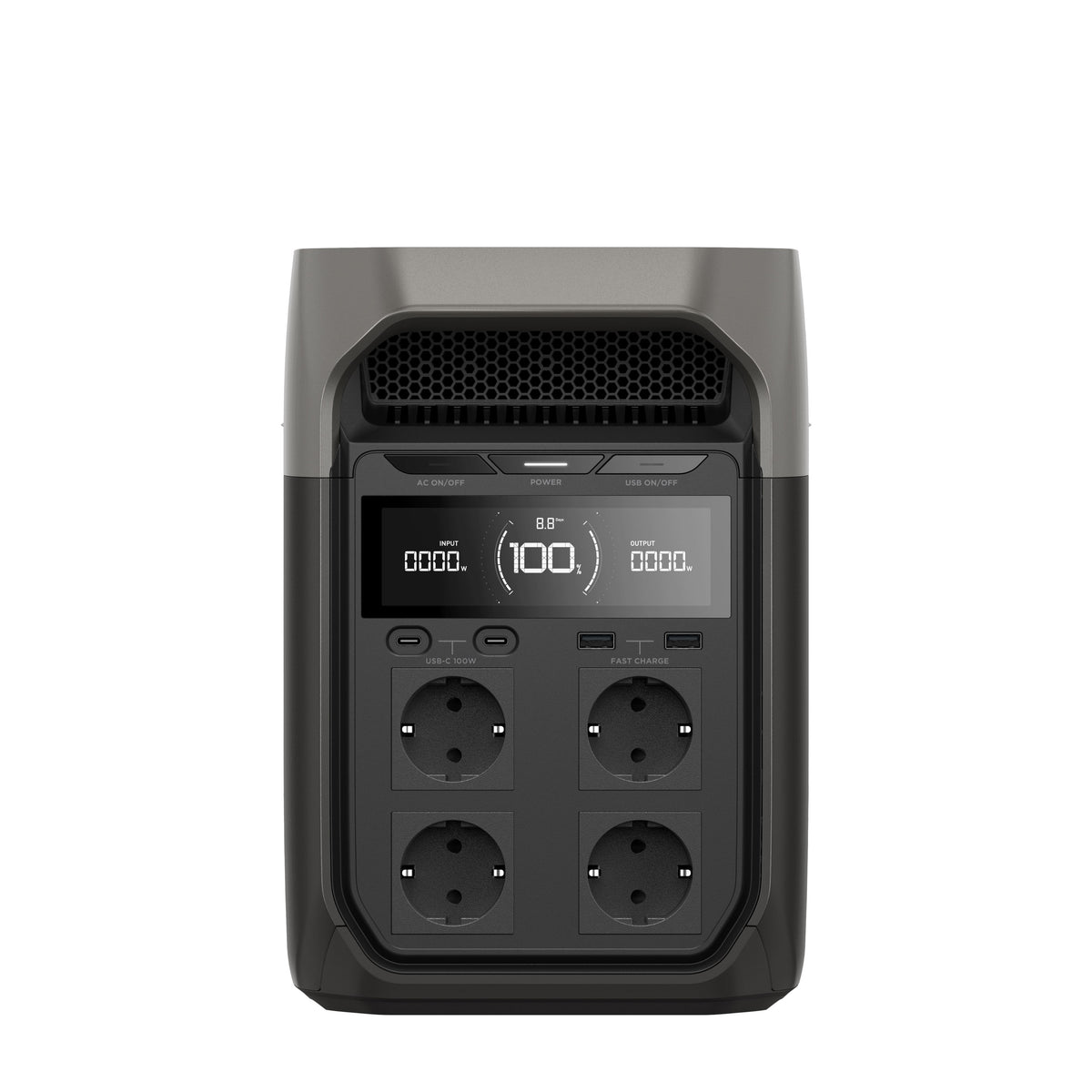
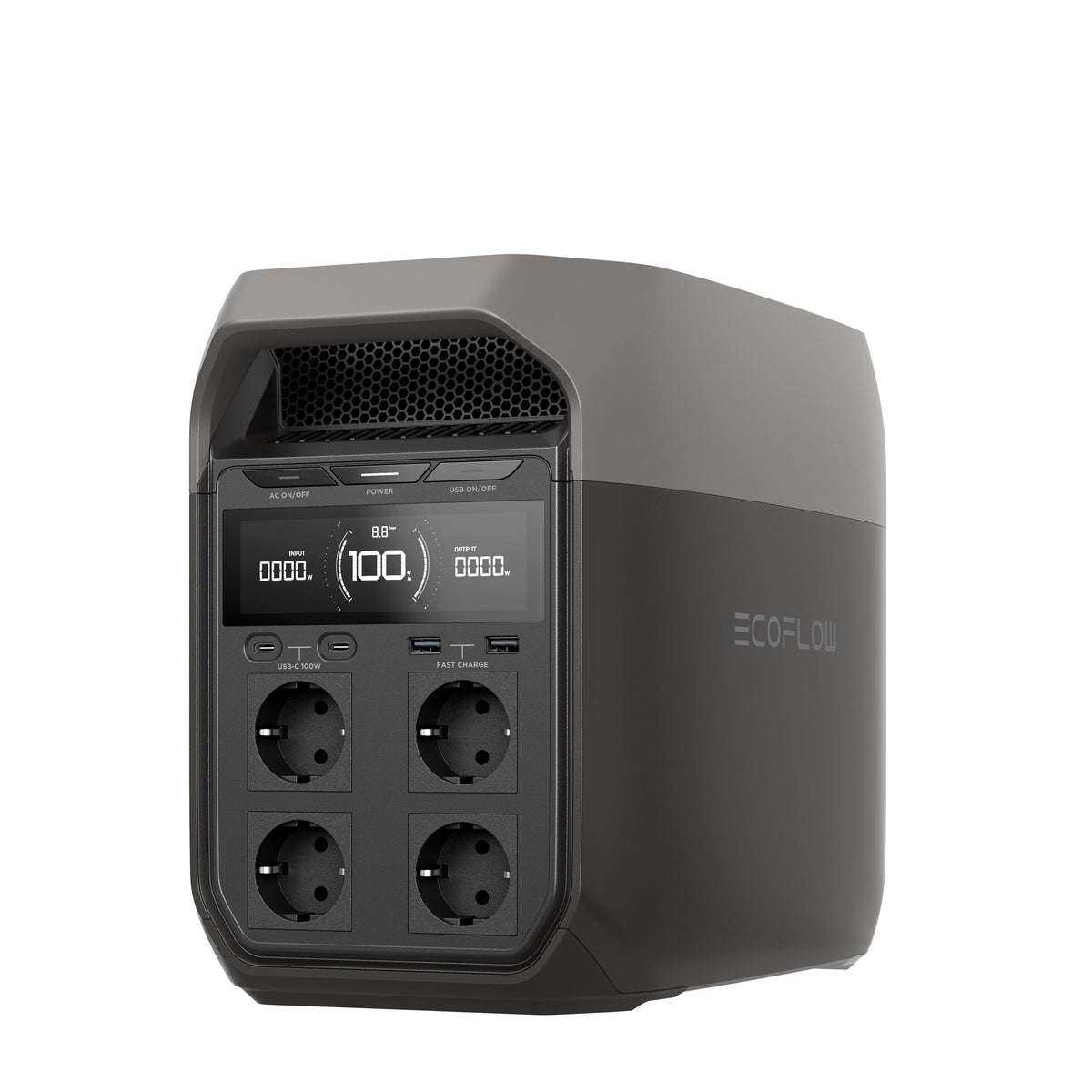
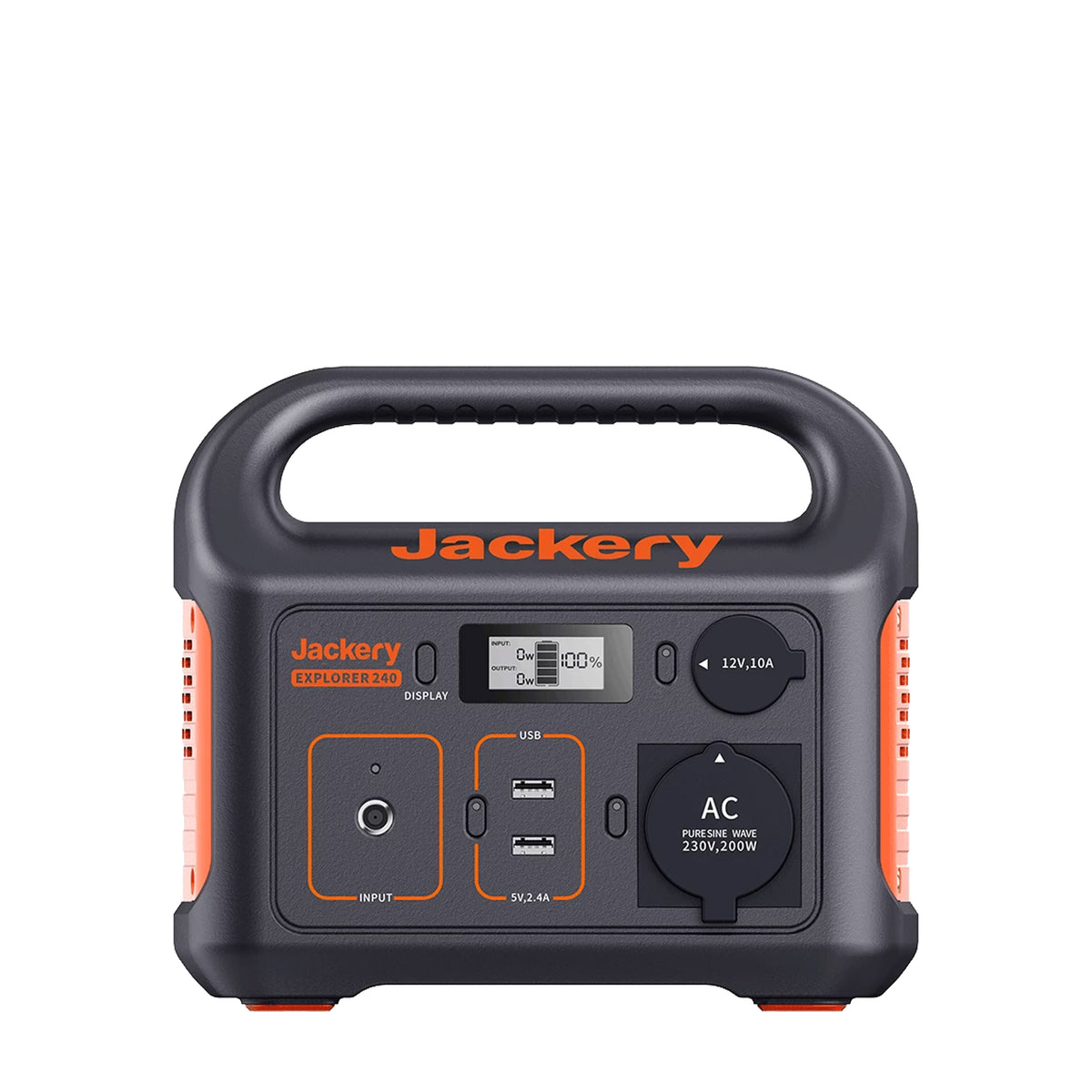
Whether in a camper, while camping, or as a backup for your home, a power station provides flexible power when no outlet is available. In this collection, you'll find power stations (also searched for as power station or "Power Station") – from compact models to large solutions for extended runtimes.
Quickly find the right power station
- Plan the runtime (Wh): The more capacity, the longer you can power your devices – the selection here ranges from 192–4096 Wh.
- Check your devices (W): Make sure the power output matches your most important appliances (e.g., cooler, laptop, small household appliances).
- Portability: If you move around frequently, weight and size are particularly important.
- Brand: Use the manufacturer filter if you want to specifically compare EcoFlow products.
Use Cases: What matters most
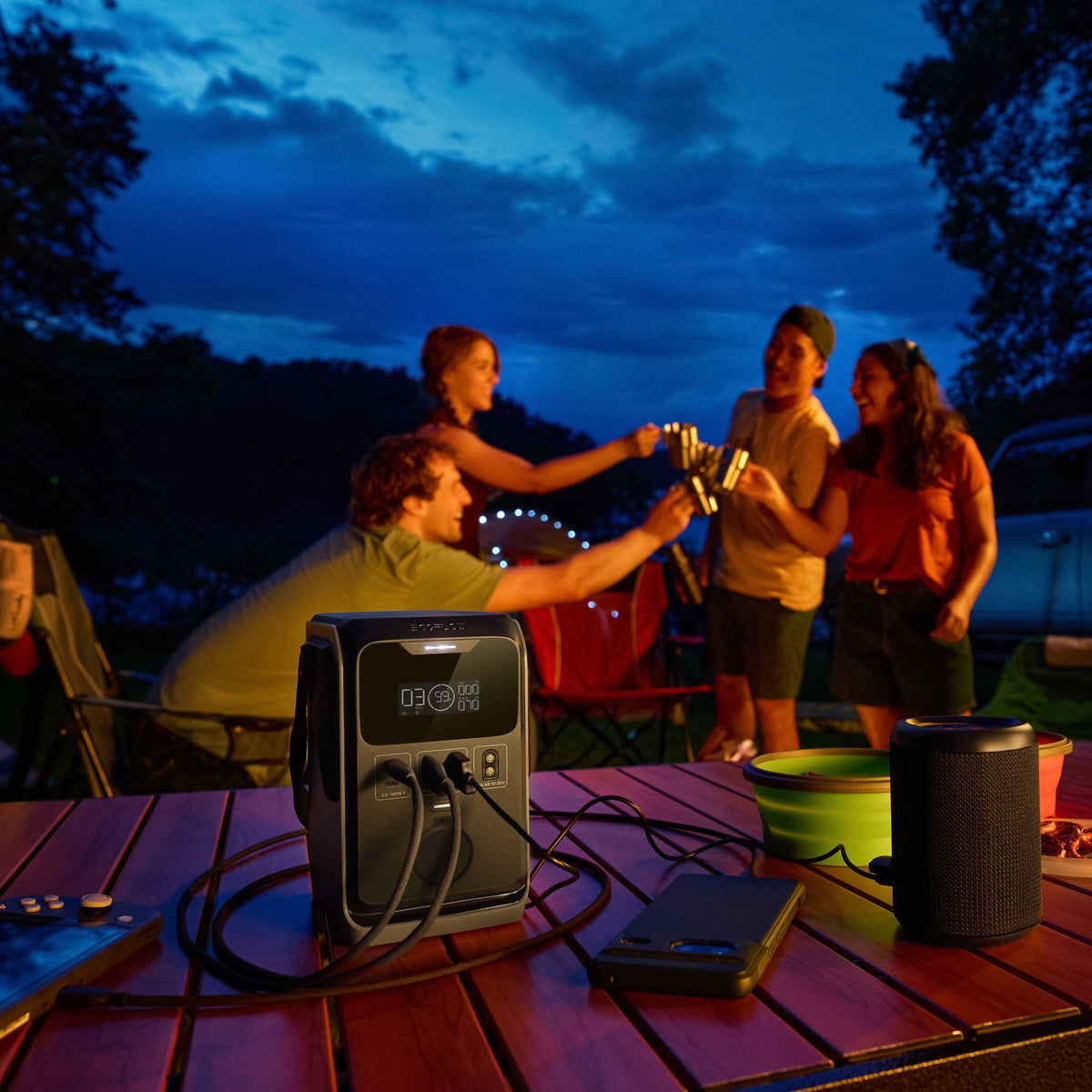
- Camping & Van Life: Ideal for a cooler, lights, smartphone, camera, and laptop – preferably compact and easy to transport.
- Emergency backup power at home: Useful if you want to keep selected devices running during a power outage (e.g., router, lights, chargers) – here, capacity and suitable power output are key.
Popular EcoFlow series
Many choose EcoFlow power stations such as RIVER (compact) or DELTA (more capacity) – depending on whether portability or emergency backup power is the priority.
Benefits at a glance
- Quiet operation with no direct exhaust emissions
- Ready to use immediately – no permanent installation
- For camping, the garden, the workshop, and as emergency backup power
Quick FAQ for purchasing
Which power station is right for me?
Start with the runtime (capacity in Wh) and then check which devices you really want to power (power output in W). For camping, portability is often key, while for emergency backup power, capacity is more important.
Can I charge a power station with a solar panel?
Yes – many models can be recharged on the go using suitable solar panels or solar bags. If you want to use solar power, check out our selection of solar bags and check the power station's product details to see which solar charging is supported.
How much capacity do I need for emergency backup power?
This depends on which devices need to run and for how long. As a rule of thumb: prioritize the most important appliances first (e.g., router/lights/chargers), then choose a power station with sufficient Wh capacity.
Power station or generator?
A power station stores energy in a battery and is quiet and flexible. A generator typically generates electricity directly – often louder and powered by fuel.
Select a power station now
First, choose the right capacity class, then compare the models by power output, portability, and brand – this way you'll quickly find the right power station for camping or emergency backup power.
FAQ | 9 frequently asked questions about power stations
How long does a power station last?
The service life depends on the battery technology and usage. Modern lithium batteries (e.g., LiFePO₄) often achieve over 3,000 charging cycles—equivalent to several years of intensive use.
Can I charge a power station with solar panels?
Yes! Many models—especially from EcoFlow—can be charged directly via solar panels. This way, you remain completely independent of the power grid, even when on the go.
What size motorhome do I need?
For motorhomes, we recommend power stations with at least 1 kWh capacity, such as the EcoFlow DELTA 2 or larger. This allows you to easily power devices such as a cooler, laptop, or lights.
How quickly does a power station recharge?
Thanks to fast-charging technologies such as X-Stream or X-Boost, modern EcoFlow devices can be fully charged in just 1-2 hours – via mains power or solar.
Are power stations weatherproof?
Most devices are splash-proof, but should not be left exposed to rain for extended periods. A suitable protective cover is recommended for outdoor use.
Can I use a power station as an emergency power solution?
Yes, many power stations are ideally suited as emergency power supplies. Models with UPS or EPS functionality can automatically take over during a power outage and supply essential devices such as routers, lights, refrigerators, or medical equipment.
How much power do I need for a coffee machine, laptop, or cooler?
The power consumption always depends on the specific device. A coffee machine typically requires between 800 and 1,500 watts and is therefore one of the higher power consumers. A cooler or compressor cooler usually draws between 40 and 120 watts, depending on the model, and often runs for extended periods. A laptop, depending on the type, uses approximately 60 to 120 watts. It's important that the continuous power output of your power station is sufficient for all connected devices and that the peak power output is high enough to easily handle start-up currents or short power spikes.
How much capacity do I need for self-sufficient camping?
The actual capacity requirement depends heavily on how long you want to be self-sufficient and which devices you regularly use. For minimalist camping with lights, a mobile phone, camera, and laptop, 300 to 600 Wh is often sufficient. If you also want to run devices like a compressor cool box, coffee maker, or kettle, the requirement quickly rises to 1,000 to 2,000 Wh. For several days without an external power source, power stations with a capacity of around 1,500 Wh or more are recommended to ensure you have enough reserve power and remain independent even in bad weather. A rough guideline is to multiply the power consumption of your devices by the planned usage time per day – this will tell you exactly how much capacity you realistically need.
Which power station is most efficient in winter?
In winter, the efficiency of battery management and charging technology plays a crucial role. Power stations with modern LiFePO4 cells are particularly well-suited for winter use, as they operate reliably even at low temperatures and have a significantly longer lifespan. A good battery management system also ensures that the cells are protected and optimally temperature-controlled. High charging efficiency is equally important, since less solar energy is often available in cold weather. Models that support both fast AC charging and efficient solar charging offer clear advantages here. If the power station also features an Eco mode or intelligent power control, you can further minimize energy losses and maximize runtime even in winter.
