

Power supply while camping – when reliability is crucial
For many people, a CPAP device is not a matter of comfort, but a medical necessity. Especially at night, the power supply must be absolutely reliable – outages or voltage fluctuations are not an option. When camping without shore power, the question arises early on how the device can be operated safely and continuously.
With the right planning, off-grid travel is also easily possible with a CPAP device. The key is to choose the right power solution and realistically assess the energy requirements.
Special requirements of medical devices for the power supply
CPAP devices run continuously for many hours. At the same time, they contain sensitive electronics, power supplies, and motors that depend on clean and stable voltage.
Even small fluctuations or dirty alternating current can lead to malfunctions, warning messages, or shutdowns. This is why it is particularly important to pay attention to a high-quality power supply when operating in a camper. The good news: CPAP devices generally do not have an extremely high consumption – however, they must run reliably all night long.
On the road without shore power – two proven solutions
In principle, there are two ways to use a CPAP device on the road without shore power:
- Operation via a mobile Powerstation
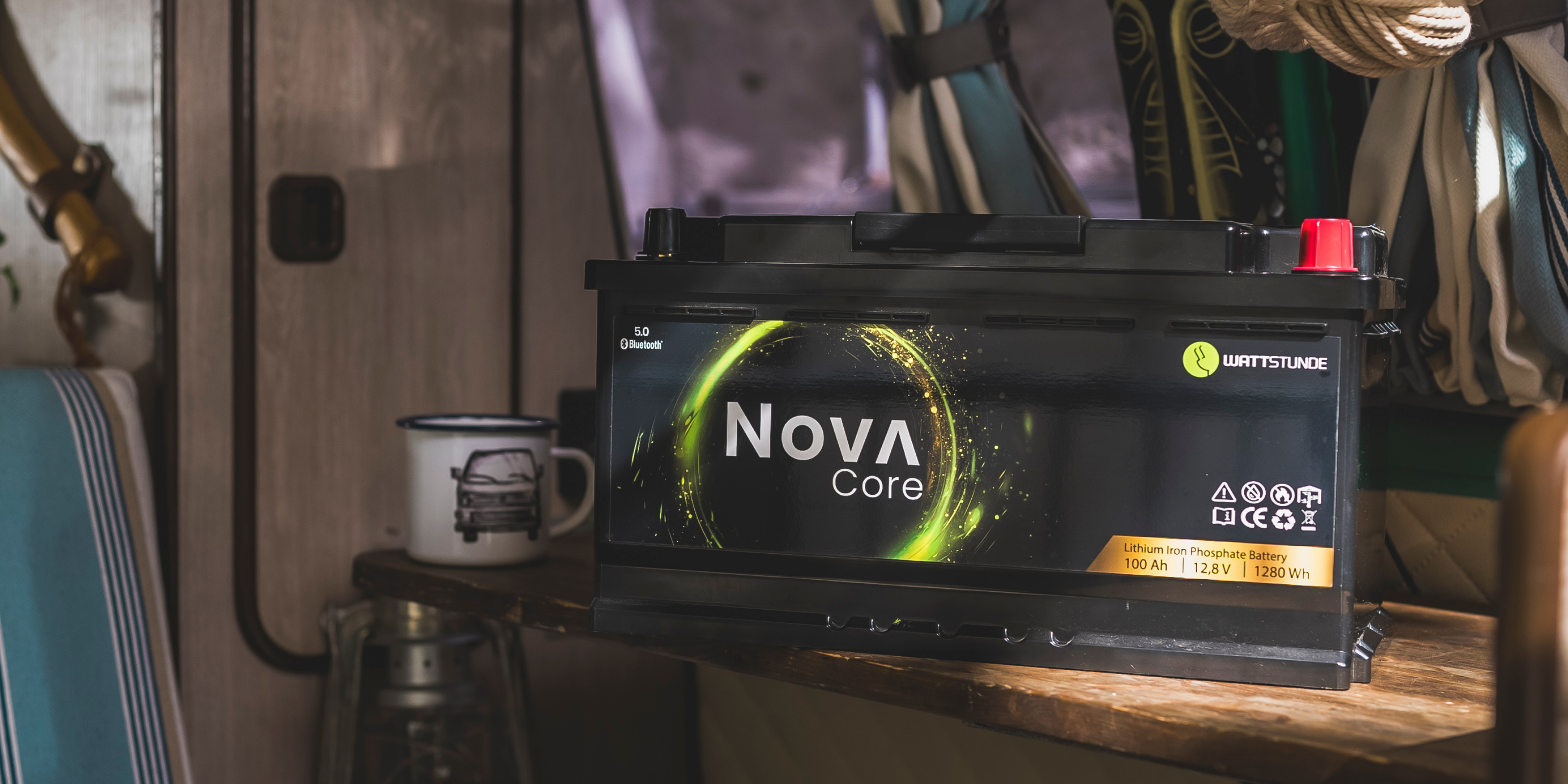
- Operation via the Leisure battery with an Inverter
Which solution is better depends on your vehicle, your travel habits, and the desired level of self-sufficiency.
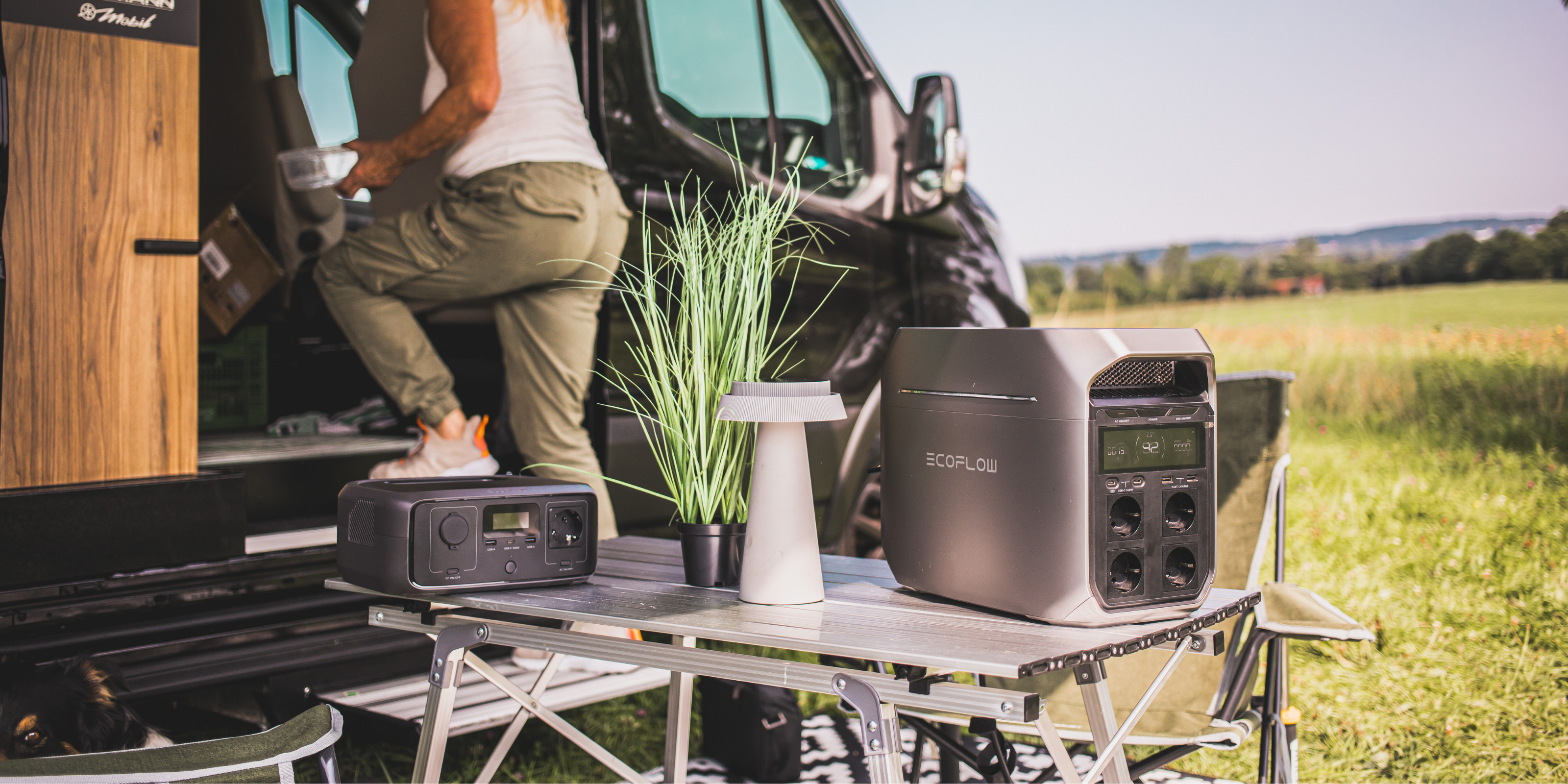
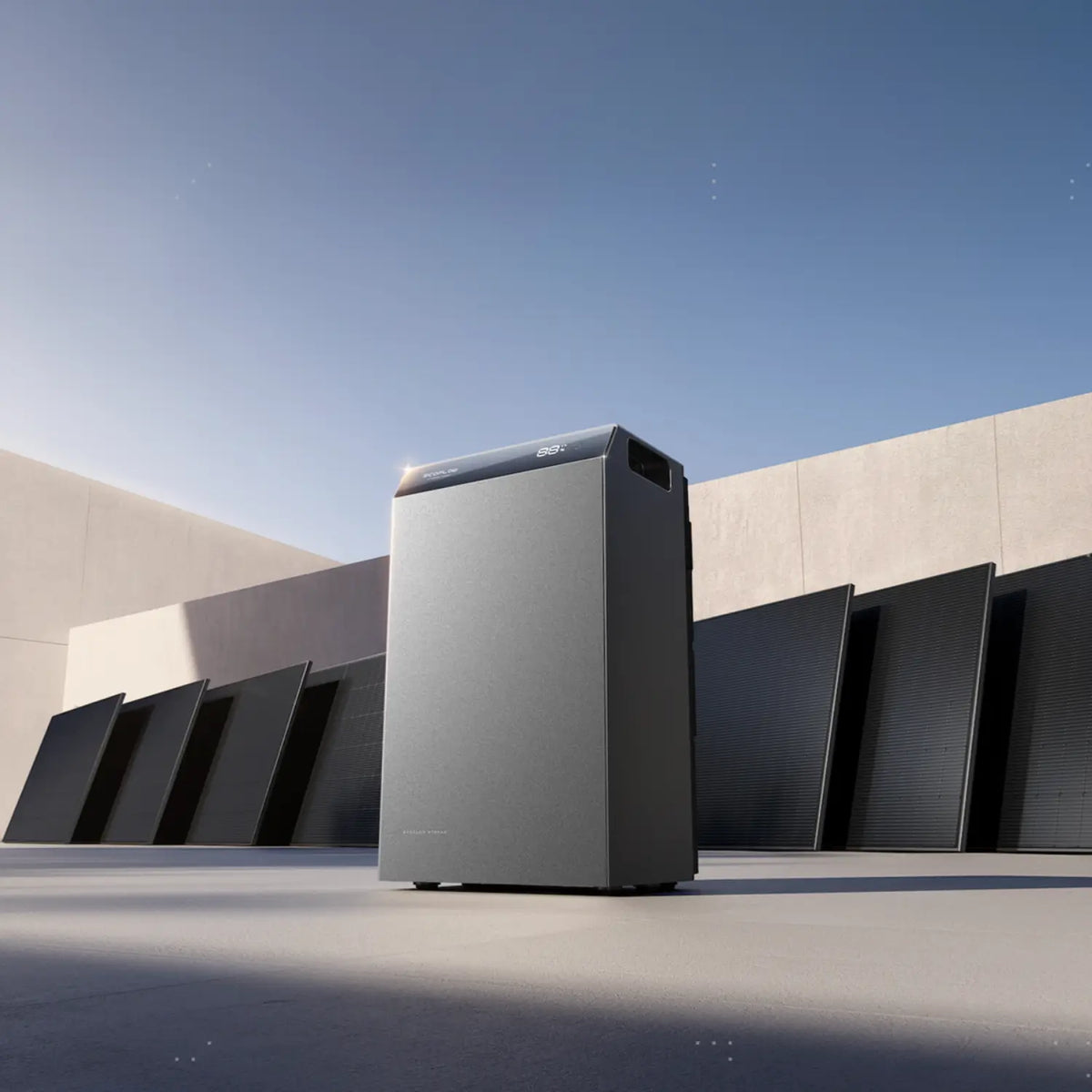
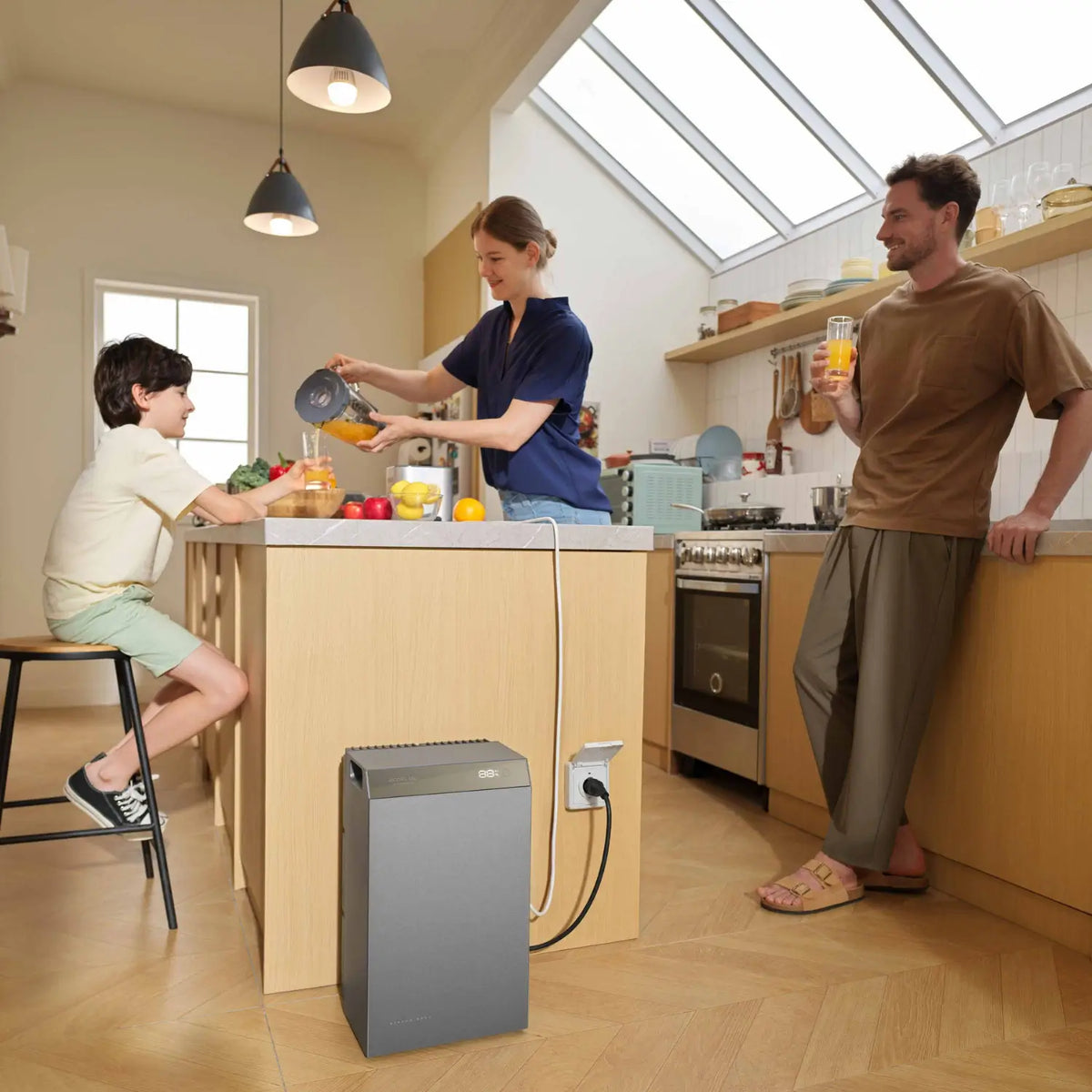
Operation with a Powerstation
Powerstations are compact all-in-one solutions with an integrated battery, inverter, and charging electronics. For many campers, they are the easiest entry into off-grid power supply. However, it should be noted that Powerstations have a relatively high self-consumption and, if a leisure battery is already present, a double battery solution is created.
They can be used flexibly, charged quickly, and do not require a fixed installation. They are well suited for CPAP devices, provided that the capacity is dimensioned sufficiently. Especially for shorter trips or occasional use, Powerstations offer an uncomplicated solution.
However, it should be noted that the runtime is limited and additional consumers can shorten the available energy. This, of course, also applies to the classic leisure battery.
Operation with a Leisure Battery and Inverter
Anyone who already uses a fixed onboard power system in their camper can operate the CPAP device directly via the leisure battery. A high-quality inverter converts the 12 V from the battery into stable 230 V.
Such a setup offers clear advantages: larger battery capacity, longer runtimes, and a fixed integration into the vehicle. In combination with solar panels, the energy can even be recharged during the day.
Particularly important here is the choice of a pure sine wave inverter, such as those used in the TARA Sync models from WATTSTUNDE. These models also feature an integrated sleep mode to reduce self-consumption, soft-start technology to protect sensitive devices, a whisper-quiet and load-dependent fan control, and an ECE-R10.6 certification for safe use in the vehicle.
Why a Pure Sine Wave Inverter is Crucial
CPAP devices are among the most sensitive consumers in the camper. They require a voltage that corresponds as closely as possible to the mains voltage at home.
Pure sine wave inverters deliver exactly this clean, uniform power form. In contrast, modified sine wave inverters can cause interference that can negatively affect the operation of medical devices.
For the safe nighttime operation of a CPAP device, a pure sine wave is therefore not a recommendation, but a prerequisite.
Realistically Assess Runtime and Energy Requirements
The power consumption of a CPAP device depends on the model and the functions used. Especially heaters or humidifiers significantly increase the energy requirements.
Anyone who wants to stay off-grid for several nights should plan sufficient battery capacity or rely on regular recharging via solar or driving. Realistic planning prevents unpleasant surprises in the night.
If you know the specific consumption of your device, you can easily calculate it with the SOLARKONTOR Solar Calculator. There you enter your daily energy requirements and immediately see which battery capacity and which recharge power are sensible for several off-grid nights.
Safety and Practical Tips for Operation in the Camper
To ensure that the CPAP device runs reliably, you should pay attention to a few points:
- Plan sufficient battery reserve
- Clearly assign the inverter and socket to the CPAP device
- Switch off unnecessary consumers at night
- Pay attention to high-quality cables and clean installation
This ensures that your device is operated without interruption all night long.
Conclusion: Safe and Off-Grid Camping with a Reliable Power Supply
Camping without shore power is easily possible even with a CPAP device. Whether with a mobile Powerstation or with a fixed leisure battery and a pure sine wave inverter from WATTSTUNDE – a stable and reliable power supply is crucial.
With the right solution and good planning, you can sleep peacefully even on the road and enjoy your trips independently.