
Internet everywhere – but what does that mean for your power consumption?
Starlink gives you internet almost everywhere, even on the road in a camper. For many, this is a real gamechanger, especially for vanlife, mobile working, or traveling away from conventional infrastructure.
But with the new freedom comes a challenge: power supply. Because Starlink is one of the consumers in the camper that requires continuous energy. In this article, we will show you what you should pay attention to and how to plan your power supply correctly.
What is Starlink and why is it interesting for campers?
With the Starlink system, you can use satellite internet with high speed (often >100-400 Mbit/s) and low latency (25-50 ms) flexibly in different locations. The system consists of an antenna and a router and is designed to connect you reliably even on the road. Starlink is available in many countries and works there without a conventional SIM card, as the connection is established directly via satellite.
This is particularly exciting for campers, as you can work, stream, or communicate independently of mobile networks and do not need a separate SIM card for every country.
How does Starlink work technically in the camper and what does that mean for the power supply?
The Starlink system consists of several components: the antenna, the router, and a power supply unit. The antenna connects to the satellites, while the router provides Wi-Fi in the vehicle.
The important thing is: Starlink is powered by a power supply that works with alternating current. This means that you must plan a corresponding power supply in the camper. The power supply is designed for 100–240 V alternating current, which is why an inverter is necessary in most cases to convert the onboard voltage appropriately.
Unlike many other devices, Starlink is often used for extended periods. Whether for work, streaming, or communication, the router and antenna often run continuously. This has a direct impact on your daily power consumption.
Starlink power consumption at a glance
Depending on the version, the power consumption of the system varies.
|
Starlink Model |
Typical power consumption |
|
Mini |
Average: 25–40 W |
|
Mini X |
Average: 25–40 W |
|
Standard with motor |
Average: 50–75 W |
|
Standard 4 |
Average: 75–100 W |
|
Standard 4 X |
Average: 75–100 W |
|
Enterprise |
Average: 75–100 W |
|
Performance (GEN3) |
Average: 75–100 W |
|
Performance (GEN2) |
Average: 110–150 W |
The actual consumption can vary depending on usage, environment, and temperature.
What does that mean for your camper?
A device that runs continuously has a significant impact on your energy requirements. Even with moderate consumption, the power requirement adds up over the day.
Especially compared to classic 12-V consumers like lights or chargers, Starlink is one of the larger consumers in the system.
What power supply do you need for Starlink?
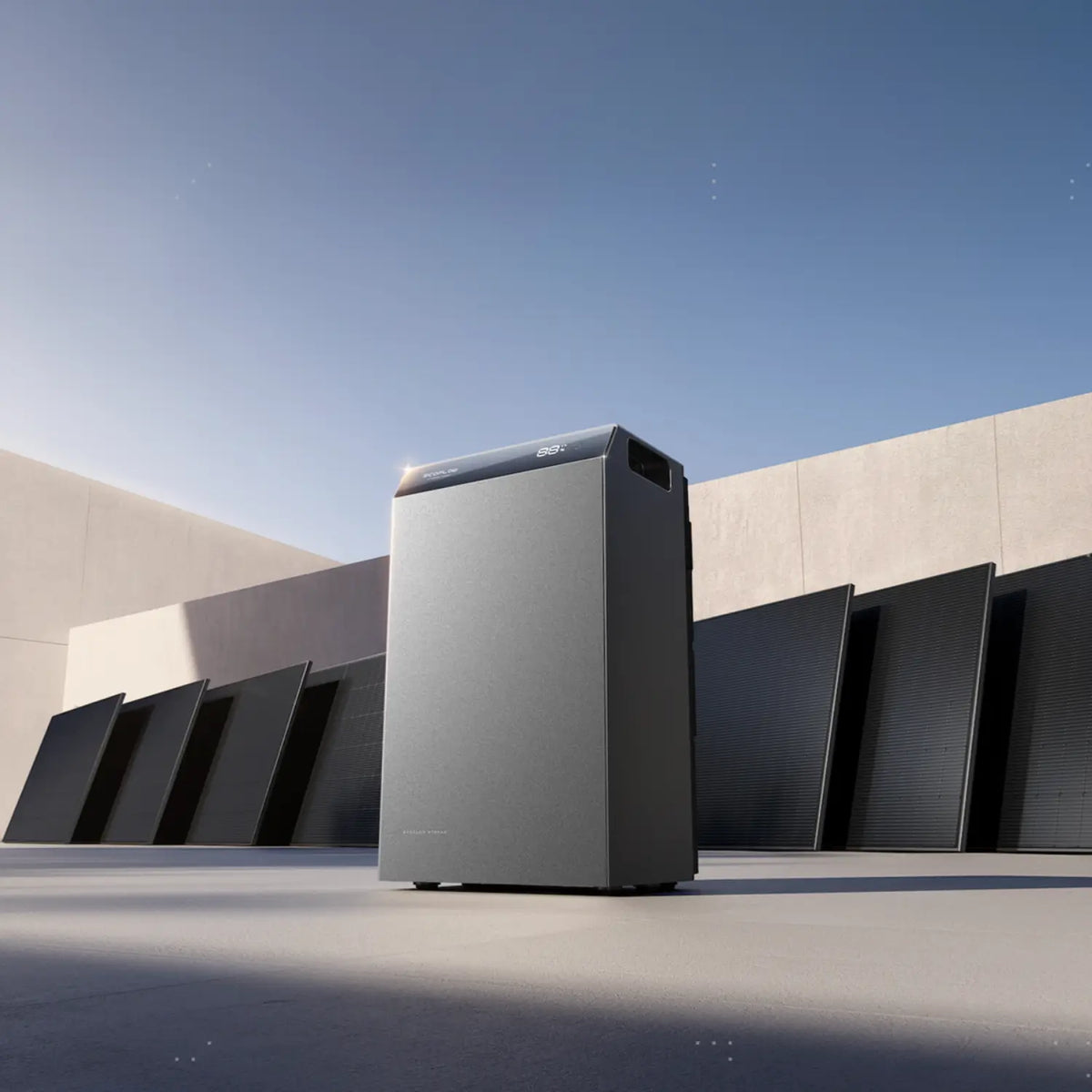
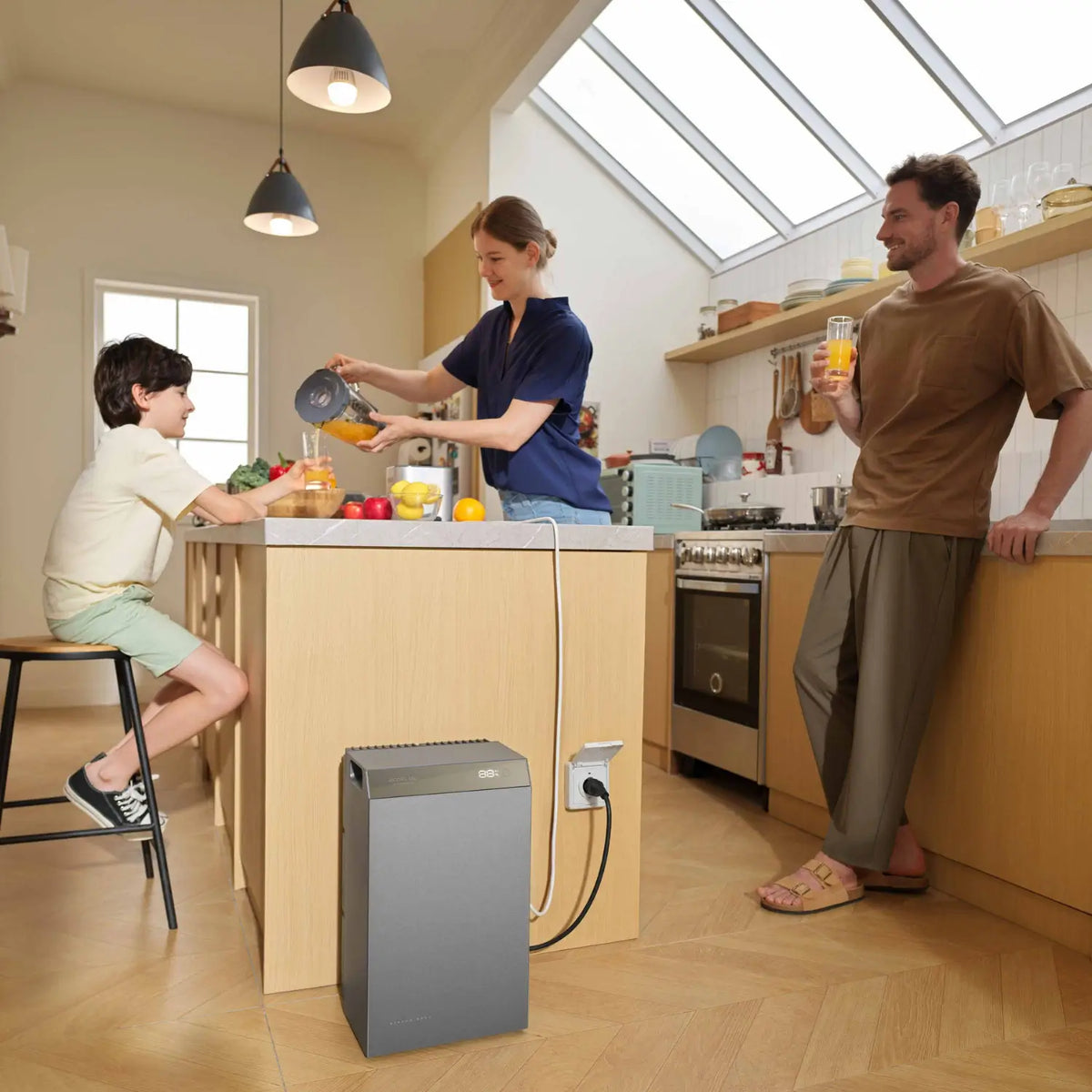
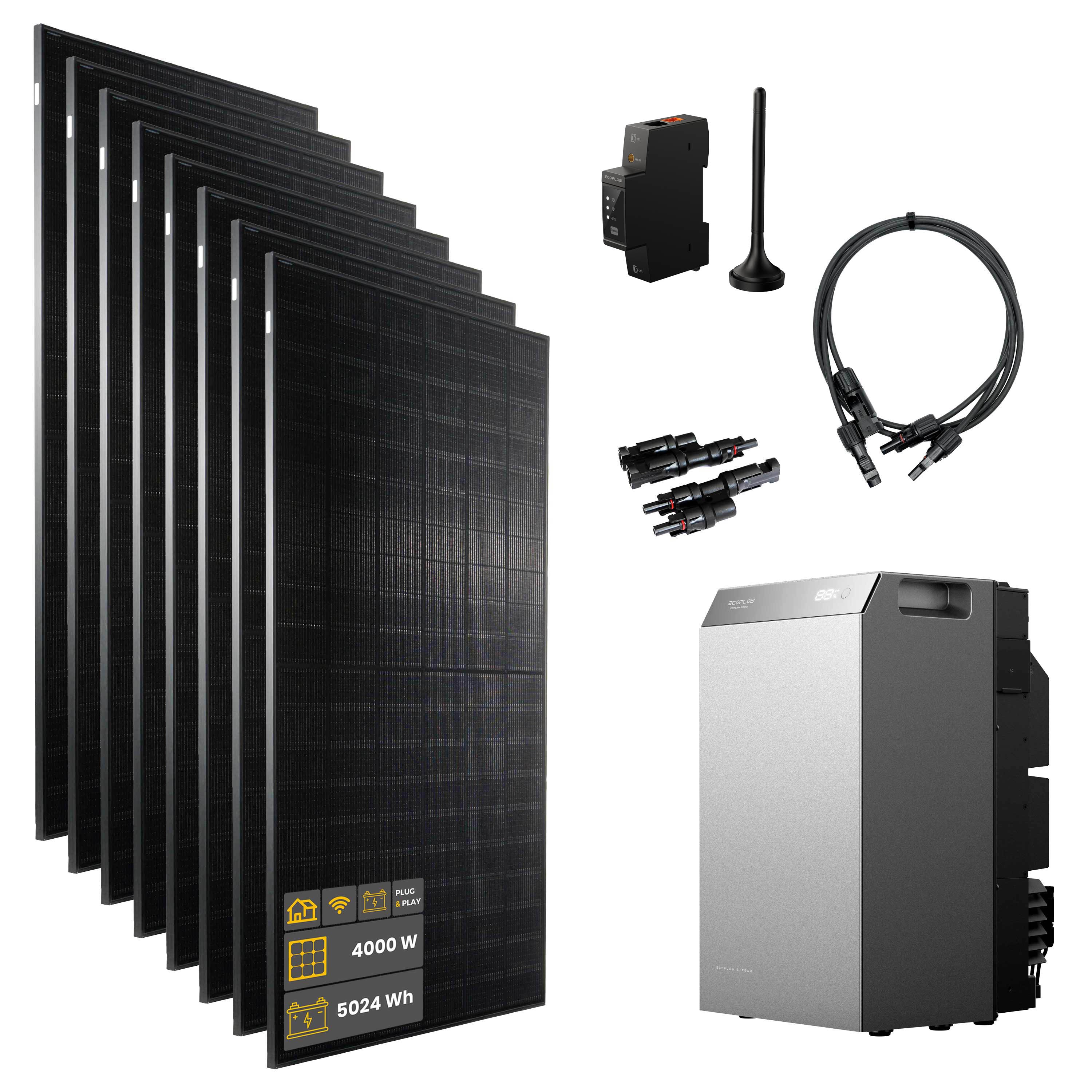
Since Starlink requires continuous power, your battery should be sized sufficiently. The longer you want to be self-sufficient, the more important a suitable capacity becomes. Since Starlink is powered by alternating current, an inverter is also required in the camper, which converts the 12-V onboard voltage to 230 V. A solar system helps to offset the ongoing consumption and is especially a useful addition to the battery for longer use. Alternatively, a power station can also be used to power Starlink. This combines the battery, inverter, and charger in one device and is particularly easy to use. However, it should be noted that power stations also need sufficient capacity to be able to power the Starlink system.
Important influencing factors on power consumption
The actual power consumption depends on several factors:
- Usage (e.g., streaming or working): The more intensive the usage, the higher the energy requirement. Video streaming in high quality or video conferences put more strain on the system than pure surfing or messaging.
- Ambient temperature: Extreme temperatures can influence the energy requirement. In cold or heat, the system may have to work harder, which can increase power consumption.
- Location and connection: If you are in an area with poor view of the sky or limited connection, the system may need more energy to establish and maintain a stable connection.
- Operating time: The longer Starlink is active, the more energy is consumed. A continuously running system adds up to a considerable total consumption over the day.
Tips for efficient use of Starlink in the camper
With a few simple measures, you can significantly reduce the power consumption of Starlink and extend your self-sufficiency:
- Only switch on when needed: Use Starlink specifically, e.g., for working or streaming, and switch the system off again afterwards.
- Use data-intensive applications consciously: Avoid unnecessary streaming in high quality or large downloads if you want to save energy.
- Choose a good position: Make sure that the antenna has a clear view of the sky. A stable connection can help to avoid unnecessary additional consumption.
- Choose the right model: Models like Starlink Mini require significantly less energy and are often the more efficient choice for campers.
- Coordinate the power system: Make sure that the battery, inverter, and if applicable, solar system are well coordinated so that the consumption is covered as efficiently as possible.
Starlink in the camper works – with the right planning
Starlink opens up completely new possibilities for on the road and makes independent working, streaming, and communication possible almost everywhere. At the same time, the system is a continuous power consumer that must absolutely be taken into account in the planning.
Especially because Starlink often runs for several hours or even continuously, the energy requirement adds up quickly. That is why it is important to realistically assess your consumption and size your power system accordingly. A sufficiently sized battery, a suitable inverter, and – depending on usage – a solar system are crucial for a reliable supply.
A great help with planning is our solar calculator. If you know the power consumption of your Starlink system, you can use it to estimate how large your battery and solar system should be to reliably cover your requirements.
If you know your energy requirements and size your system accordingly, you can use Starlink without problems even in the camper – regardless of whether for work, communication, or entertainment.