
If we ask our parents what camping used to be like, most of them probably give a pretty similar answer: rather spartan and heavily reliant on campsites or places that could provide electricity. The fact that we as travelers are self-sufficient, able to watch our tenth movie on a tablet in our small tents and spend extended periods in places far from crowded campsites, is thanks to mobile power supplies.
What is mobile power supply?
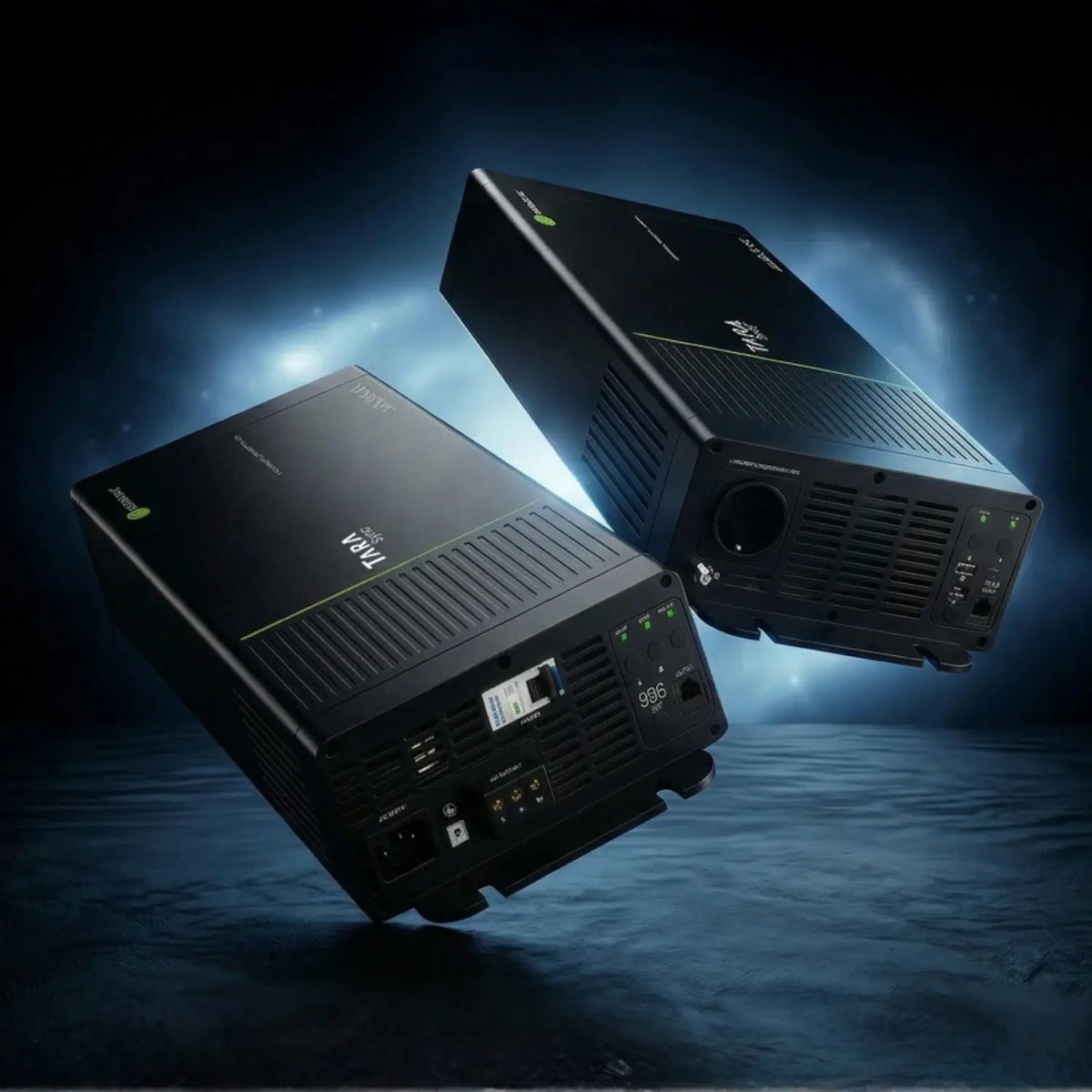
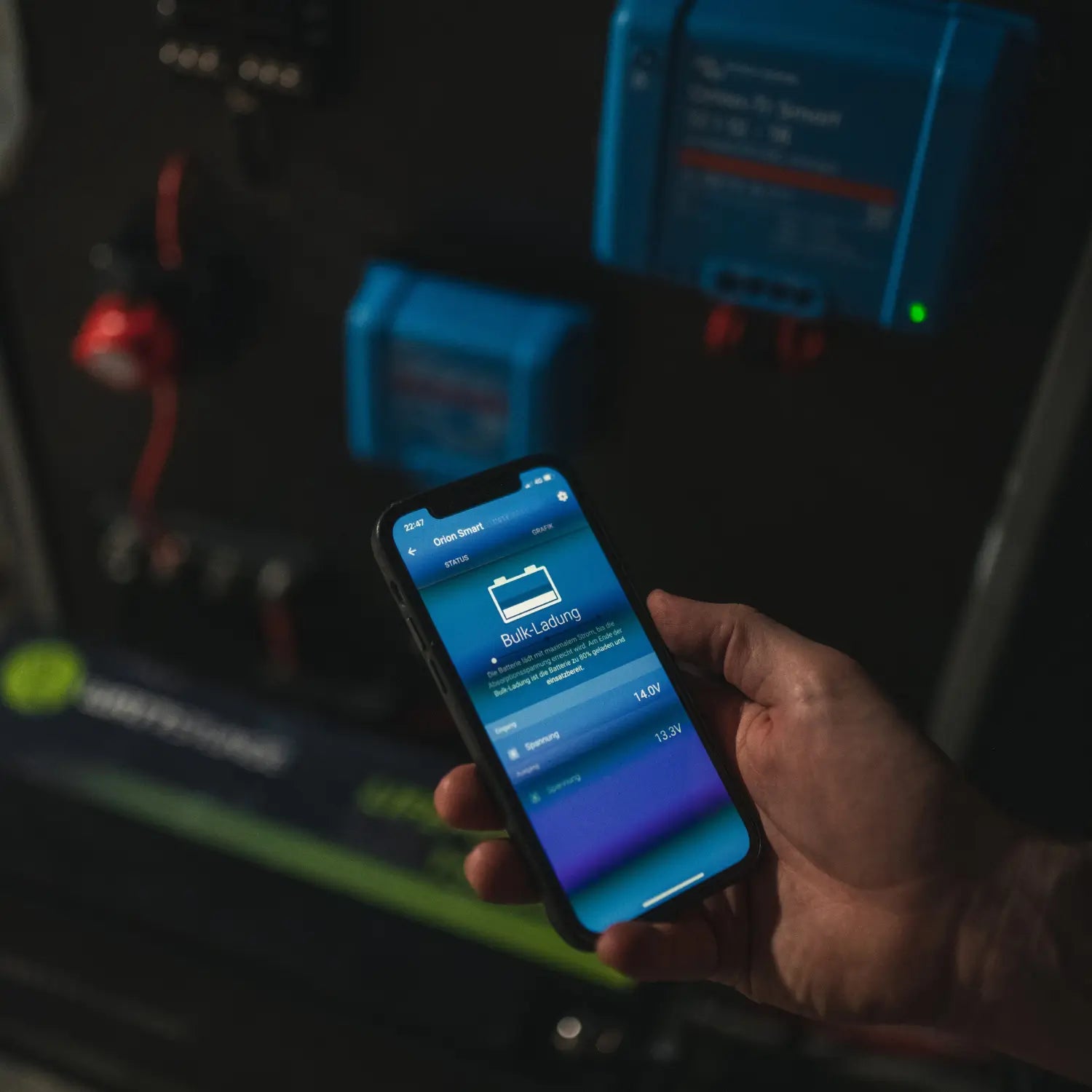
The heart of a mobile power supply is the power station. This conveniently combines several functions in one unit. It typically consists of a lithium battery, an inverter, and the necessary connections for operating devices. Some also include a charge controller. Its size and weight are designed for easy portability. Virtually every capacity is now available, whether for large or small power needs. Conveniently, power stations with additional batteries are modular and expandable, allowing you to adapt to your specific requirements. You could even use or charge multiple devices simultaneously and still maintain the same power output. This makes independent power supply for extended periods no longer a problem. But what if you don't have access to the power grid for a longer time, or if you intentionally want to spend more time outdoors without being without your electrical devices? How do we charge the power station's battery when we're not connected to the grid?
The dream team in mobile power supply - solar modules and power station
Solar panels and power stations make a powerful team. Solar panels can either be permanently installed on a camper van, sailboat, or house wall, or they can be set up and positioned as needed in the form of foldable bags. Portable solar bags offer the advantage of always being able to be positioned directly towards the sun to maximize energy production. This means power stations can be recharged directly outdoors using solar panels. However, keep in mind that solar bags should not be left outside overnight. They are electronic devices and should be protected from water and moisture. A wide range of power outputs are now available to meet every need. While permanently installed solar panels aren't as flexible as solar bags, they still provide significant power on your roof, generating energy while you're on the go and ensuring you have a reliable power supply at the end of the day.
Which power station is compatible with which solar panel?
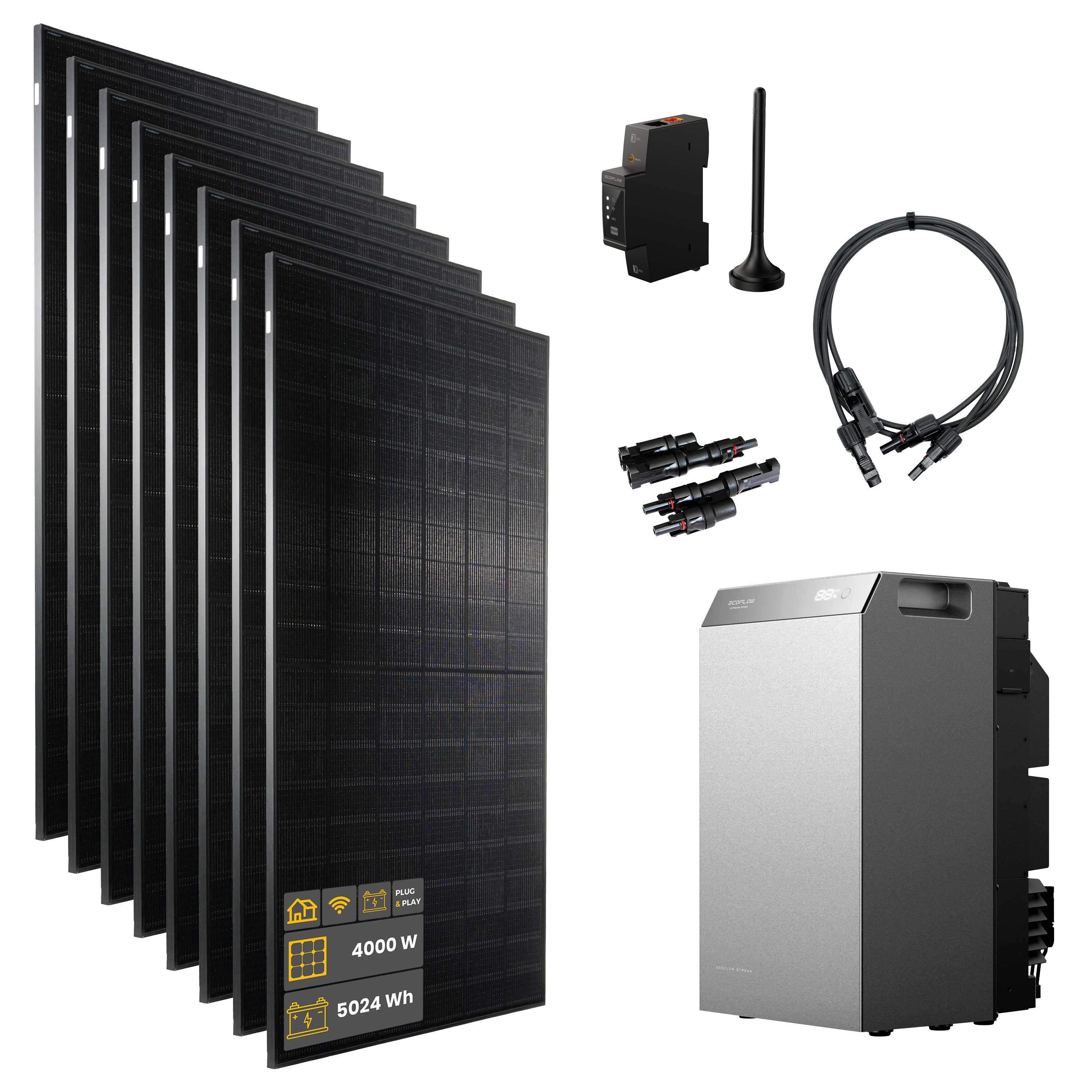
Don't worry, we understand that the topic of mobile power supply can still raise some questions. You're probably wondering about the compatibility of solar panels and power stations, and what cables you might need. Luckily, there's a solution. You can conveniently buy power stations and solar panels as a set, which are usually configured so you don't have to worry about compatibility. First, calculate your power requirements (either yourself using a formula or with the help of a power consumption calculator – there are several available online). Then, simply find the bundle that best suits your needs. We've put together several sets for you on our website.
For whom is mobile power supply of interest?
The topic of mobile power supply primarily affects those who travel frequently and don't have enough power available in their RV or camper for their devices. Do you want to charge your phone, laptop, and camera while camping? Then this topic is definitely relevant for you. It's important to mention, however, that you should have a car or similar vehicle with you, as transporting a power station and solar panel can be quite cumbersome over time. The advantage mentioned above—that power stations combine many features in one—can also be a disadvantage for some. The output of the inverter, charge controller, and battery is fixed within the power station. If you require specific power outputs, purchasing the individual components might be a better option.
Find out about your needs
In conclusion, we can tell you: there's no right or wrong answer. Depending on your individual needs, consumption, and vehicle configuration, your mobile power requirements can vary, and consequently, so will the products you need. The first sensible step would be to consider what you want the power for, i.e., how much power you require. Your available space may also play a role in your purchase. From our experience, we can advise you: you will find the right product for you, and you can be sure that the feeling of independence will make you want more!