Those traveling by campervan want to travel freely and independently. A reliable power supply plays a crucial role in this. Whether you want to charge your laptop, run the refrigerator, or simply provide light in your campervan – a dependable energy source is the foundation for comfort and flexibility on the road. In this blog series, we'll take a detailed look at all the important components. Today, we're starting with an overview that shows you how the power supply in a campervan works and which components are essential.
What does energy self-sufficiency mean when converting a campervan?
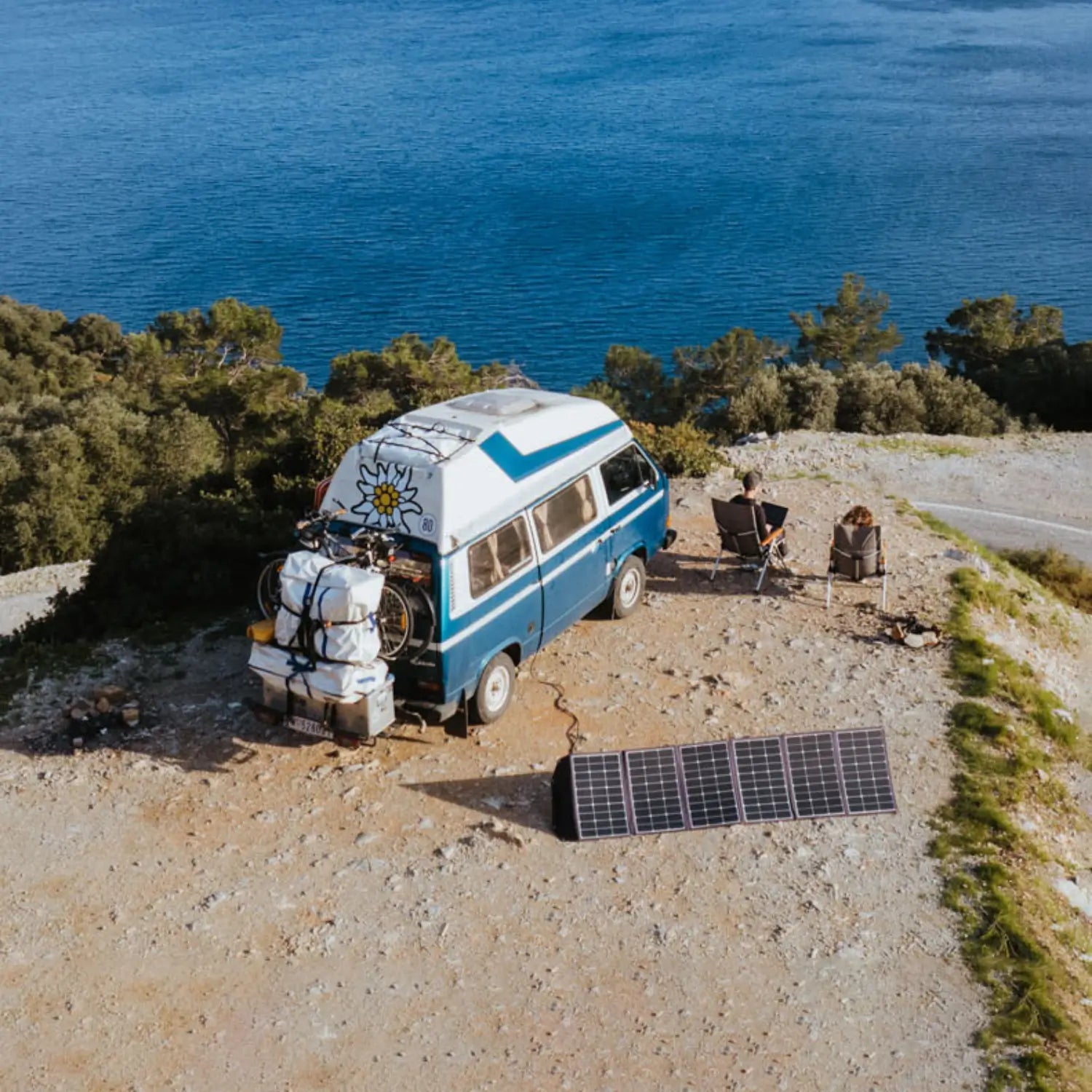
Energy self-sufficiency means you can travel independently of external power sources like shore power or generators. Your camper generates, stores, and uses its own electricity. For many vanlifers and travelers, this is a crucial step towards greater freedom: you can stay in remote locations without sacrificing comfort.
Typical situations where energy independence is essential:
- Wild camping for several days without a campsite
- Traveling abroad, where mains electricity is not always available
- Working on the go as a digital nomad
Properly sizing your power supply determines how long you can be independent and which devices you can operate without problems.
System overview: How the power supply works in a motorhome
An independent power supply can be divided into four basic areas:
1. Generate electricity
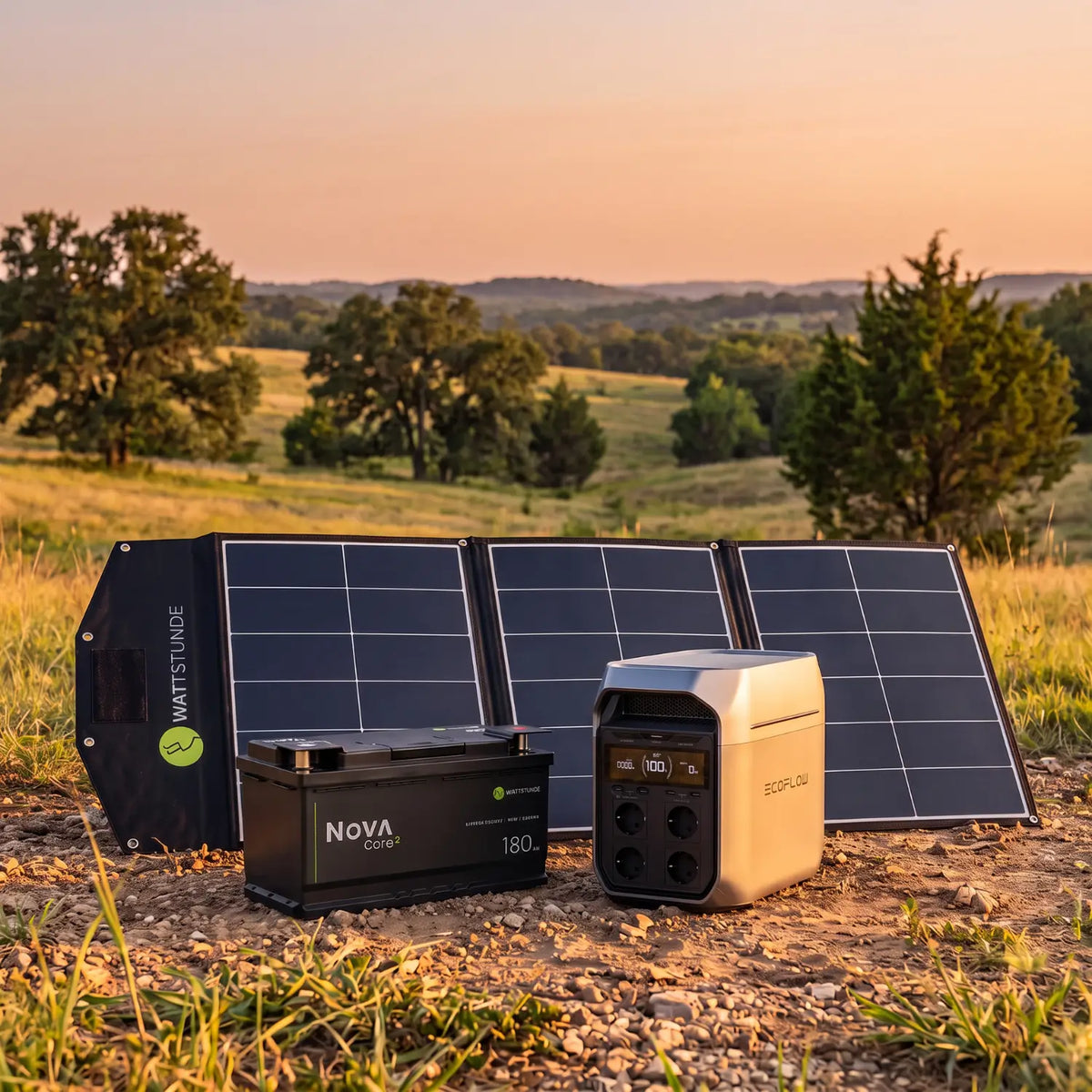
- Solar panels are the standard solution: They use solar energy to power your battery.
- Alternator while driving: The on-board battery can be effectively charged via a charging booster.
- Generators are rarely used, usually only when there are very high energy demands.
2. Storing electricity
- Onboard batteries store the generated energy. Depending on the type (AGM, gel or lithium), they differ in capacity, weight and cycle stability.
- Power stations are an alternative: They combine battery, inverter and charge controller in one compact device and are particularly suitable for beginners or weekend campers.
3. Use electricity
- 12V DC : Standard for lighting, fans or USB charging ports.
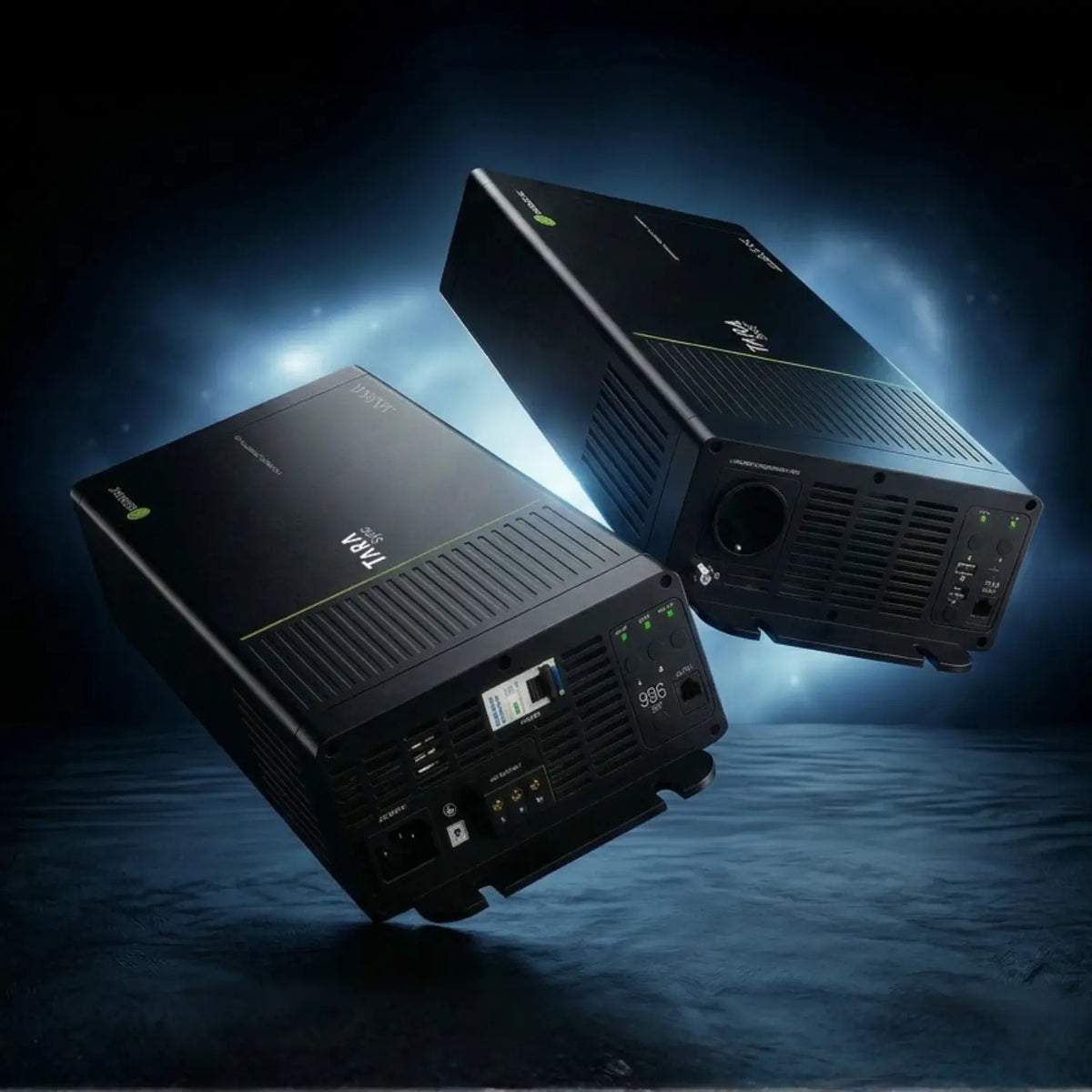
- 230V AC : For devices such as coffee machines or laptop chargers. You will need an inverter for this.
4. Charging
- Shore power connection at the campsite
- Charging booster for charging while driving
- Solar charge controller as a connection between solar panel and battery
Shore power vs. self-sufficient power supply
If you power your motorhome with shore power , you use the standard connection at the campsite, usually via a CEE socket. This is very convenient because you can simply operate all your 230V appliances without having to worry too much about energy consumption. However, this ties you to a specific pitch and reduces the typical freedom of camping.
Self-sufficient power supply, on the other hand, means maximum flexibility. You are independent of external infrastructure and can camp freely even away from campsites. How long this works depends on the size of your system and your individual power requirements. Good planning and the right selection of components are crucial for this to run smoothly.
In practice, many campers rely on a mix of both options: They use mains electricity at the campsite, while on the road they rely on their self-sufficient system.
Conclusion & Outlook on the Series
A reliable power supply in a motorhome consists of several components that must work together perfectly. Whether you opt for a traditional onboard electrical system or a power station, it's crucial that your system is tailored to your travel habits. Someone who works frequently while traveling needs different capacity than someone who only travels on weekends.
In the following articles, we'll examine each component step by step. We'll start with solar panels : In the next post, you'll learn about the differences between fixed panels and portable solar bags, which cell types have proven effective, and how to calculate the appropriate power output for your camper van. This will lay the foundation for a truly independent energy supply.